
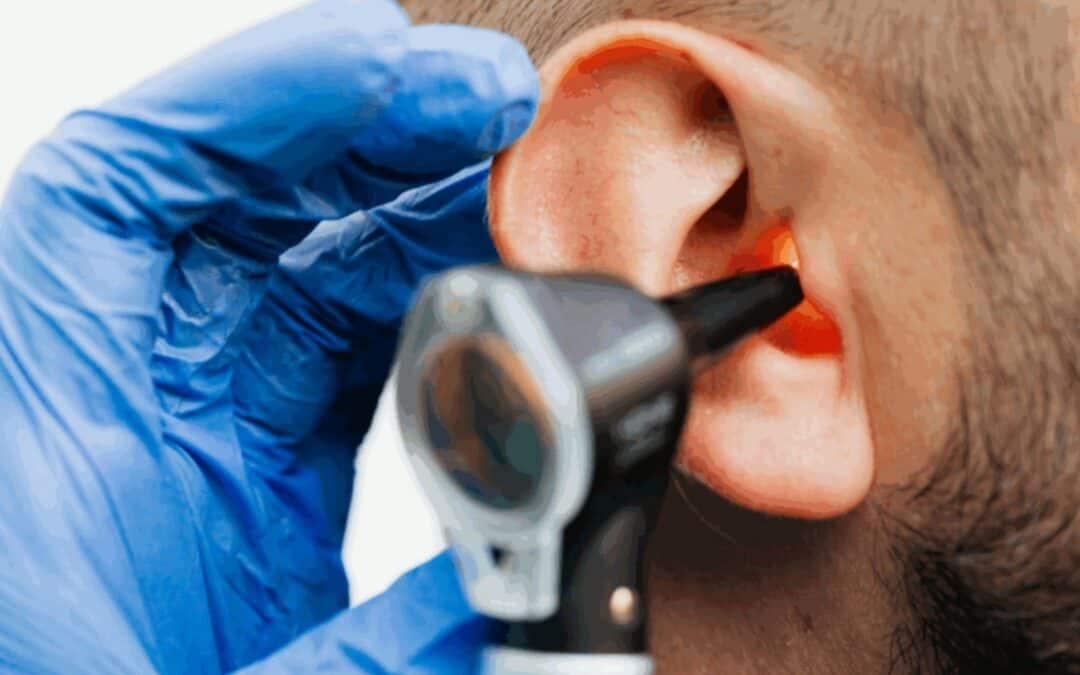
Have you ever noticed how sinusitis affects your ears, causing ear pain, pressure, or muffled hearing when dealing with a sinus infection? You’re not alone. Many individuals experience ear-related symptoms during sinusitis episodes. Understanding the link between your sinuses and ears can help you find adequate relief.
Introduction to Sinusitis
Sinusitis, commonly known as a sinus infection, is an inflammation of the sinus tissue that can lead to uncomfortable symptoms. When the sinuses become inflamed, often due to a viral or bacterial infection, it can result in nasal congestion, facial pressure, and ear pain. Sinusitis can be classified as acute, lasting for a short period, or chronic, persisting for several weeks or longer.
How Sinusitis Impacts Your Ears
- The Role of the Eustachian Tube
- Connection Between Sinuses and Ears: The eustachian tube links the middle ear to the back of the nose and upper throat. It helps equalize ear pressure and drain fluids.
- Blockage Due to Inflammation: Sinus infections can cause inflammation and mucus buildup, blocking the Eustachian tube. This blockage leads to pressure changes and discomfort in the ears.
- Resulting Symptoms: Blocked Eustachian tubes can cause ear fullness, pain, clogged ears, and temporary hearing loss.
- Common Ear Symptoms During Sinusitis
- Ear Pressure and Fullness: Inflamed sinuses can lead to a sensation of pressure or fullness in the ears.
- Muffled Hearing: Fluid buildup and pressure changes can cause temporary hearing difficulties.
- Ear Pain: The pressure from blocked sinuses can result in earaches or sharp pains, commonly called sinusitis ear pain.
- Potential Complications
- Secondary Ear Infections: Fluid trapped in the middle ear can become infected, leading to otitis media, also known as a middle ear infection.
- Balance Issues: Pressure imbalances can affect your vestibular system, causing dizziness or balance problems.
- Chronic Eustachian Tube Dysfunction: Persistent sinus issues can lead to long-term Eustachian tube problems, affecting ear health.
Managing Fluid Buildup
Fluid buildup in the sinuses and ears can cause significant discomfort, including ear pain, hearing loss, and nasal congestion. Managing this fluid buildup is crucial for relieving sinus pressure and preventing complications like ear infections. Several strategies can help manage fluid buildup effectively. Using nasal sprays can reduce inflammation and improve drainage. Drinking plenty of fluids helps thin nasal mucus, making it easier to expel. Nasal irrigation with a saline rinse can also be beneficial in loosening mucus and relieving sinus pressure. Avoiding allergens and using a humidifier can help manage symptoms and promote better sinus and ear health.
Diagnosing Sinusitis and Ear Problems
Diagnosing sinusitis and related ear problems requires a thorough medical evaluation. This typically includes a physical exam, a medical history review, and diagnostic tests such as imaging studies and hearing tests. A healthcare professional can provide an accurate diagnosis and develop a tailored treatment plan. It’s crucial to seek medical attention if your symptoms persist or worsen over time, as untreated sinusitis and ear problems can lead to serious complications, including permanent hearing loss. Early detection and appropriate treatment are key to alleviating symptoms and preventing long-term damage to your hearing health.
Seeking Relief from Ear Symptoms Caused by Sinusitis
- Home Remedies
- Steam Inhalation: Inhaling steam, or steam treatment, can help open nasal passages and reduce sinus pressure.
- Warm Compresses: Applying a warm cloth to the affected ear can alleviate pain and promote drainage.
- Nasal Irrigation: Saline sprays or neti pots can clear nasal congestion, easing Eustachian tube blockage.
- Over-the-Counter Medications
- Decongestants: These can reduce nasal swelling and improve sinus drainage.
- Antihistamines: These are helpful if allergies contribute to your sinus issues.
- Pain Relievers: Common pain medications, such as ibuprofen, can alleviate ear pain associated with sinus pressure.
- When to Consult a Healthcare Provider
- Persistent Symptoms: If ear discomfort continues despite home treatments, seek professional medical advice to ensure proper diagnosis and treatment.
- Signs of Infection: Fever, severe pain, or ear discharge may indicate an ear infection requiring antibiotics.
- Hearing Loss: Sudden or significant hearing changes warrant prompt evaluation.
Take Charge of Your Ear and Sinus Health
Understanding the connection between sinusitis and ear discomfort empowers you to take proactive steps toward relief. Professional evaluation is crucial if you’re experiencing persistent ear symptoms related to sinus issues.
Key Takeaways:
- Sinus infections can block the Eustachian tubes, leading to ear pressure and pain.
- Common ear symptoms during sinusitis include fullness, muffled hearing, and discomfort.
- Home remedies and OTC medications can relieve, but persistent symptoms require medical attention.
- A nasal rinse can help clear nasal passages and reduce sinus pressure, relieving ear symptoms.
Schedule an Appointment Today. Take the first step toward better ear and sinus health by booking a consultation with our specialists to explore personalized treatment options.