
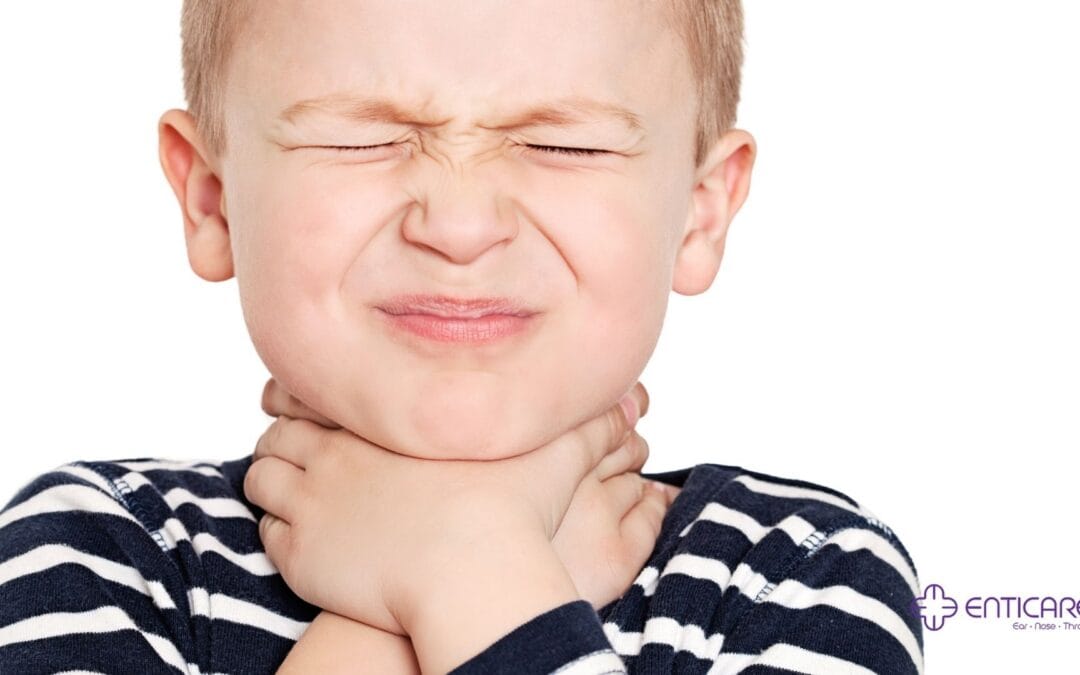
When Should Enlarged Tonsils Be Checked?
Enlarged tonsils should be checked when they cause breathing problems, frequent infections, difficulty swallowing, loud snoring, disrupted sleep, or other symptoms that affect a child’s daily life. While large tonsils can be normal in children, significantly enlarged tonsils may sometimes block the airway or contribute to sleep-disordered breathing.
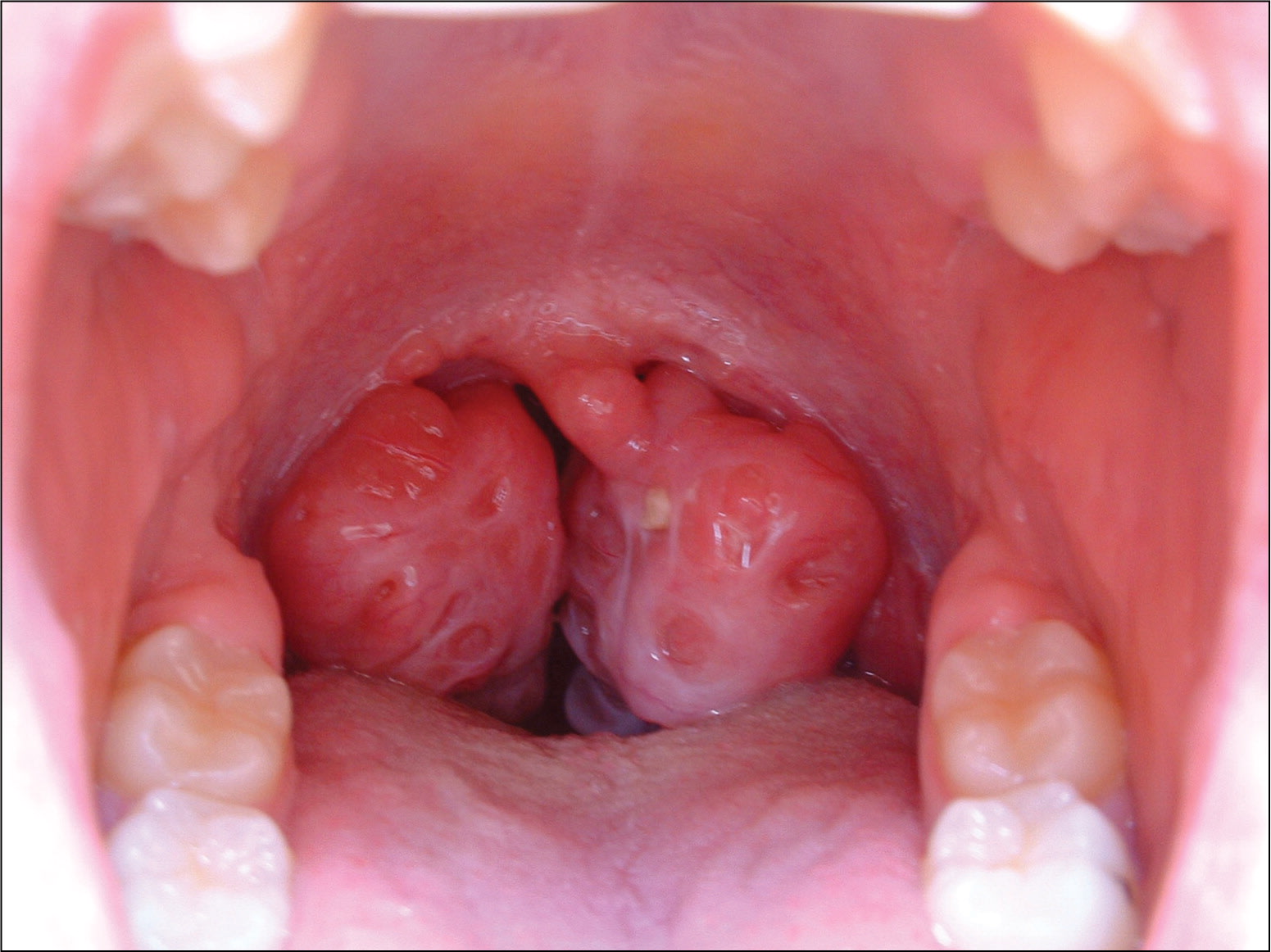
If your child regularly snores, breathes through their mouth, pauses or gasps during sleep, or has difficulty swallowing, an evaluation by an ENT specialist can help determine whether enlarged tonsils are contributing to the problem.
Watch the YouTube video here: Enlarged Tonsils in Children: When Should Parents Be Concerned? 7 Signs to Watch
What Are Enlarged Tonsils?
Enlarged tonsils are tonsils that are larger than usual and may partially block the back of the throat. Tonsils are part of the immune system and help the body recognize and respond to certain infections.
Tonsils can become enlarged because of:
- Frequent infections
- Chronic inflammation
- Allergies or nasal congestion
- Natural growth and development
- Repeated exposure to respiratory infections
Large tonsils do not always require treatment. The need for evaluation depends on the symptoms they cause.
Watch the YouTube video here: Enlarged Tonsils in Children: When Should Parents Be Concerned? 7 Signs to Watch
What Are the Signs of Enlarged Tonsils in Children?
The most common signs include loud snoring, mouth breathing, difficulty swallowing, and changes in sleep quality.
Parents should watch for:
- Loud or frequent snoring
- Sleeping with the mouth open
- Mouth breathing during the day
- Pauses in breathing during sleep
- Gasping or choking during sleep
- Restless sleep
- Frequent waking at night
- Difficulty swallowing
- A sensation that food gets stuck
- Changes in voice
- Chronic bad breath
- Frequent sore throats
- Recurrent tonsillitis
- Difficulty concentrating during the day
- Excessive daytime sleepiness or unusual irritability
If your child has several of these symptoms, enlarged tonsils may be affecting their breathing or sleep and should be evaluated.
Watch the YouTube video here: Enlarged Tonsils in Children: When Should Parents Be Concerned? 7 Signs to Watch
Can Enlarged Tonsils Cause Snoring?
Yes, enlarged tonsils can cause snoring by narrowing the airway during sleep.
When children sleep, the muscles around the throat naturally relax. If the tonsils are already large, this relaxation can make the airway even narrower, causing the tissues to vibrate as air passes through.
Occasional snoring may not be concerning, but frequent loud snoring can be a sign of an underlying airway or sleep problem.
Watch the YouTube video here: Enlarged Tonsils in Children: When Should Parents Be Concerned? 7 Signs to Watch
Can Enlarged Tonsils Cause Sleep Apnea?
Yes, enlarged tonsils can contribute to obstructive sleep apnea by blocking the airway during sleep.
Children with obstructive sleep apnea may experience repeated interruptions in breathing throughout the night. Parents may notice:
- Loud snoring
- Pauses in breathing
- Gasping or choking
- Restless sleep
- Sleeping in unusual positions
- Nighttime sweating
- Mouth breathing
- Morning headaches
- Difficulty waking up
- Daytime sleepiness
- Irritability or behavioral changes
If you notice pauses in your child’s breathing during sleep, an ENT evaluation is recommended.
Watch the YouTube video here: Enlarged Tonsils in Children: When Should Parents Be Concerned? 7 Signs to Watch
Can Enlarged Tonsils Affect a Child's Sleep?
Yes, enlarged tonsils can interfere with sleep by narrowing the airway and causing snoring or sleep-disordered breathing.
Poor-quality sleep can affect how a child feels and functions during the day. Some children may become tired, irritable, inattentive, or have difficulty concentrating.
Children do not always appear sleepy when they aren’t sleeping well. Instead, poor sleep may sometimes show up as behavioral or attention problems.
Watch the YouTube video here: Enlarged Tonsils in Children: When Should Parents Be Concerned? 7 Signs to Watch
Can Enlarged Tonsils Cause Difficulty Swallowing?
Yes, very large tonsils can make swallowing uncomfortable or difficult by narrowing the space at the back of the throat.
A child with significantly enlarged tonsils may:
- Take longer to eat
- Avoid certain foods
- Prefer soft foods
- Choke or gag more frequently
- Complain that food feels stuck
- Have difficulty swallowing larger bites
Persistent swallowing difficulties should be evaluated to determine whether enlarged tonsils or another condition is responsible.
Watch the YouTube video here: Enlarged Tonsils in Children: When Should Parents Be Concerned? 7 Signs to Watch
Do Enlarged Tonsils Always Mean My Child Needs Surgery?
No, enlarged tonsils do not automatically mean a child needs tonsil surgery.
Many children have naturally large tonsils without significant problems and do not require treatment. Surgery may be considered when enlarged tonsils contribute to conditions such as obstructive sleep apnea, significant swallowing problems, or frequent, severe tonsil infections.
An ENT specialist can evaluate your child’s symptoms and determine whether observation, medical treatment, or surgery is appropriate.
Watch the YouTube video here: Enlarged Tonsils in Children: When Should Parents Be Concerned? 7 Signs to Watch
When Should Parents Worry About Their Child's Snoring?
Parents should be concerned about snoring when it happens frequently or occurs with breathing pauses, gasping, choking, restless sleep, or daytime behavioral changes.
A child who snores occasionally because of a cold or temporary congestion may not need an immediate evaluation. However, persistent loud snoring should not be ignored, especially when it affects breathing during sleep.
Watch the YouTube video here: Enlarged Tonsils in Children: When Should Parents Be Concerned? 7 Signs to Watch
How Does an ENT Specialist Check Enlarged Tonsils?
An ENT specialist checks enlarged tonsils through a physical examination and an evaluation of the child’s symptoms, breathing, sleep, and medical history.
The evaluation may include:
- Examination of the tonsils and throat
- Examination of the nose and nasal passages
- Review of snoring and sleep symptoms
- Assessment of recurrent infections
- Evaluation of swallowing difficulties
- Flexible examination of the airway when appropriate
- Sleep testing when sleep apnea is suspected
The specific tests recommended will depend on your child’s symptoms.
Watch the YouTube video here: Enlarged Tonsils in Children: When Should Parents Be Concerned? 7 Signs to Watch
How Are Enlarged Tonsils Treated?
Treatment depends on the size of the tonsils, the symptoms they cause, and the underlying condition.
Depending on the situation, treatment may include:
- Monitoring without treatment
- Treating underlying infections or inflammation
- Managing nasal allergies or congestion
- Addressing sleep-disordered breathing
- Tonsillectomy when medically appropriate
- Tonsillectomy and adenoidectomy when both tonsils and adenoids contribute to airway obstruction
Your ENT specialist can explain the available options and determine which approach is appropriate for your child.
Watch the YouTube video here: Enlarged Tonsils in Children: When Should Parents Be Concerned? 7 Signs to Watch
What Is a Tonsillectomy?
A tonsillectomy is a surgical procedure that removes the tonsils.
Tonsillectomy may be recommended for children with certain cases of obstructive sleep apnea, severe or recurrent tonsil infections, or other significant problems caused by the tonsils.
The decision is based on the child’s symptoms, medical history, examination findings, and overall health.
Watch the YouTube video here: Enlarged Tonsils in Children: When Should Parents Be Concerned? 7 Signs to Watch
Can Enlarged Tonsils Go Back to Normal?
Yes, tonsils can change in size over time, and enlargement caused by an infection or inflammation may decrease as the condition improves.
However, persistently enlarged tonsils that continue to cause breathing, sleep, swallowing, or infection problems may require further evaluation and treatment.
Watch the YouTube video here: Enlarged Tonsils in Children: When Should Parents Be Concerned? 7 Signs to Watch
When Should My Child See an ENT Specialist?
Your child should see an ENT specialist if enlarged tonsils are associated with persistent snoring, breathing pauses during sleep, difficulty swallowing, recurrent tonsillitis, frequent sore throats, or noticeable changes in sleep or daytime behavior.
An evaluation is particularly important if you notice:
- Breathing pauses during sleep
- Gasping or choking at night
- Loud snoring most nights
- Difficulty breathing
- Significant swallowing problems
- Recurrent tonsillitis
- Frequent severe sore throats
- Poor-quality sleep
- Daytime fatigue or behavioral changes
- Symptoms that are affecting school or daily activities
Early evaluation can help identify whether enlarged tonsils are affecting your child’s airway, sleep, or overall quality of life.
Watch the YouTube video here: Enlarged Tonsils in Children: When Should Parents Be Concerned? 7 Signs to Watch
Expert Pediatric ENT Care Across Arizona
ENTICARE provides comprehensive ear, nose, and throat care for children experiencing enlarged tonsils, recurrent tonsillitis, snoring, sleep-disordered breathing, and other throat concerns.
Our experienced providers care for families throughout Casa Grande, Chandler, Gilbert, Glendale, Maricopa, San Tan Valley, and Scottsdale, Arizona. We evaluate each child individually to determine whether enlarged tonsils are contributing to their symptoms and whether treatment is needed.
Frequently Asked Questions
Are enlarged tonsils normal in children?
Yes, enlarged tonsils can be normal in children, especially during certain stages of development. They become more concerning when they cause breathing, sleep, swallowing, or recurrent infection problems.
How do I know if my child's tonsils are too large?
You may suspect significantly enlarged tonsils if your child snores frequently, breathes through their mouth, has difficulty swallowing, experiences breathing pauses during sleep, or has recurrent tonsil infections. An ENT examination can determine whether the tonsils are contributing to these symptoms.
Can enlarged tonsils cause mouth breathing?
Yes, enlarged tonsils can contribute to mouth breathing, particularly when they are combined with enlarged adenoids or nasal obstruction.
Can enlarged tonsils affect my child's behavior?
Yes, poor sleep caused by enlarged tonsils and sleep-disordered breathing may contribute to daytime irritability, difficulty concentrating, hyperactivity, or other behavioral changes.
Should I worry if my child snores every night?
Yes, frequent nighttime snoring should be evaluated, especially if it is loud or accompanied by gasping, choking, or pauses in breathing. Persistent snoring can be a sign of obstructive sleep apnea.
Can enlarged tonsils cause frequent sore throats?
Yes, enlarged tonsils can be associated with recurrent inflammation and infections that cause frequent sore throats. An ENT specialist can determine whether the tonsils are contributing to recurrent infections.
Do enlarged tonsils always need to be removed?
No, many children with enlarged tonsils do not need surgery. Tonsil removal is generally considered when enlarged tonsils cause significant problems such as obstructive sleep apnea, severe swallowing difficulties, or recurrent infections.
Don't Ignore the Signs of Enlarged Tonsils
Enlarged tonsils are common in children, but they should not be ignored when they interfere with breathing, sleep, swallowing, or everyday activities. Loud snoring, breathing pauses, gasping during sleep, recurrent tonsillitis, and difficulty swallowing are important signs that your child may benefit from an ENT evaluation.
The ENT specialists at ENTICARE proudly serve families in Casa Grande, Chandler, Gilbert, Glendale, Maricopa, San Tan Valley, Scottsdale, and surrounding Arizona communities. If you’re concerned about your child’s tonsils, schedule an evaluation to understand what’s causing their symptoms and determine whether treatment is needed.