
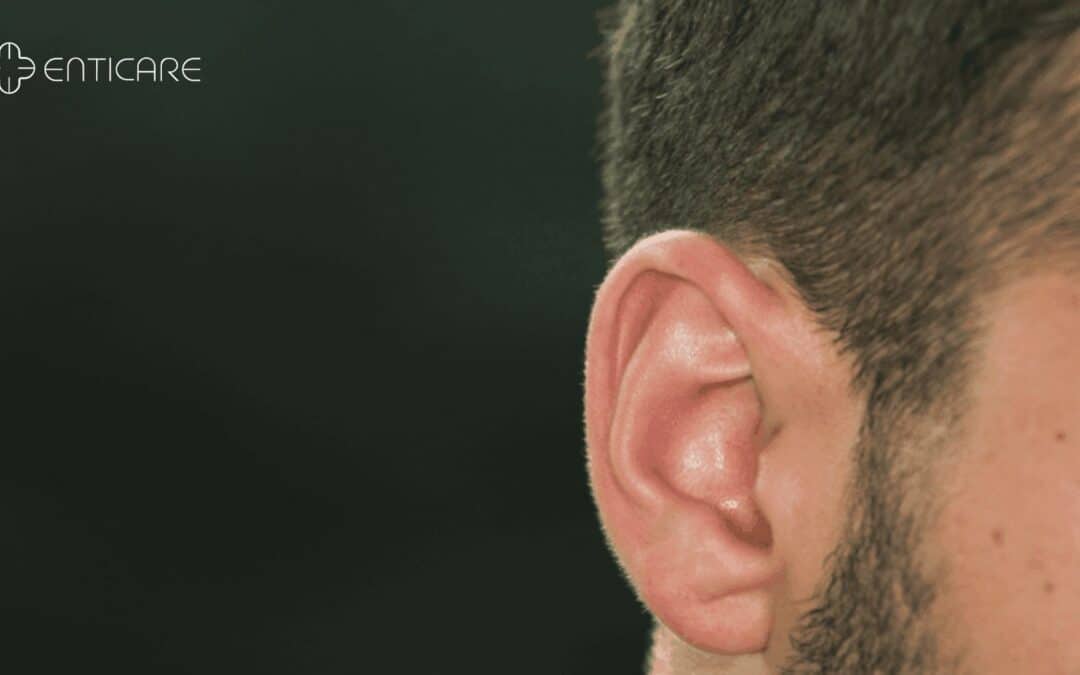
Have you ever felt like you’re hearing through a thick wall underwater or experienced clogged ears? This sensation, known as muffled hearing, can be unsettling. Temporary muffled hearing may result from factors like earwax buildup, allergies, or ear infections. It may affect one or both ears and can come on suddenly or develop gradually. Understanding the causes and solutions is essential to effectively address this common issue. Consulting a healthcare professional is crucial to rule out or address potential underlying hearing loss.
What Causes Muffled Hearing?
- Earwax Buildup
Earwax protects your ears, but too much ear wax buildup can block the ear canal, leading to muffled sounds. Using cotton swabs can push wax deeper, worsening the problem. Professional removal is often the safest option.
- Ear Infections
Middle ear infection can cause muffled hearing due to fluid buildup and inflammation in the Eustachian tube behind the eardrum. Ear infection symptoms include muffled hearing, ear pain, and fever, and seeking medical attention is crucial to prevent complications. Prompt treatment with antibiotics or antifungals can restore normal hearing.
- Eustachian Tube Dysfunction
The Eustachian tubes help equalize ear pressure. When they become blocked due to colds, allergies, sinus infections, or changes in air pressure, you may experience muffled hearing. Sinus congestion can also lead to fluid buildup and blockages in the ear, affecting sound clarity and overall auditory perception. Techniques like swallowing or yawning can help open these tubes.
Recognizing Symptoms and Seeking Solutions
- Symptoms to Watch For
- A sensation of fullness in the ear
- Difficulty hearing high-pitched sounds
- Tinnitus (ringing in the ears)
- Dizziness or balance issues
- Ear pain
If you experience muffled hearing due to congestion, it is essential to treat the affected ear. Remedies such as warm compresses and inhaling steam can help relieve pressure and improve hearing.
- Home Remedies
- Applying a warm compress can alleviate discomfort from congestion.
- Inhaling steam may help open blocked Eustachian tubes.
- Over-the-counter decongestants can reduce nasal swelling.
Additionally, various treatment options are available to help manage muffled hearing and improve overall quality of life.
- When to See a Professional
If muffled hearing persists for over a few days or is accompanied by pain, fever, or discharge, consult a healthcare provider. Persistent or worsening symptoms may indicate a more serious underlying condition that requires immediate medical attention. Early intervention by a hearing professional can prevent complications and improve overall hearing health.
Take the Next Step Toward Clear Hearing
Don’t let muffled hearing interfere with your daily life. At Enticare, our specialists are ready to diagnose and treat your hearing concerns. Scheduling a hearing test is crucial for properly analyzing and managing your hearing health. Hearing aids play a significant role in managing hearing issues and improving your overall auditory experience. Schedule an appointment today and take the first step toward better hearing health.
Key Takeaways
- Muffled hearing can result from earwax buildup, infections, or Eustachian tube dysfunction.
- Symptoms include a feeling of fullness, tinnitus, and balance issues.
- Home remedies may provide relief, but persistent symptoms require professional evaluation.
- Early treatment can prevent long-term hearing damage.
- Clogged hearing requires medical consultation to determine the cause and appropriate treatment.
- The inner ear plays a crucial role in sound transmission and balance; issues here can lead to muffled hearing.
- Sensorineural hearing loss is a serious condition that can occur suddenly and requires immediate medical attention.
- Addressing symptoms promptly is essential to prevent permanent hearing loss.
Frequently Asked Questions (FAQ)
What does muffled hearing feel like?
It often feels like hearing underwater, with blocked or dull sounds and reduced clarity.
Can earwax cause muffled hearing?
Yes. Excess earwax can block sound waves and reduce hearing quality.
Is muffled hearing a sign of hearing loss?
It can be temporary, but persistent muffled hearing may signal sensorineural hearing loss and needs evaluation.
Can allergies cause muffled hearing?
Yes. Allergies can block the Eustachian tubes and cause pressure and hearing changes.
How long should muffled hearing last?
If it lasts more than a few days or worsens, seek professional care.
Should I use cotton swabs to clean my ears?
No. Cotton swabs often push wax deeper and worsen blockage.
When is muffled hearing an emergency?
Sudden muffled hearing with dizziness, pain, or one-sided hearing loss requires immediate medical attention.