

Imagine the discomfort of an ear infection in your affected ear and the urge to use your headphones. Perhaps you’re wondering if you can still enjoy your favorite playlist or a podcast during recovery. This article discusses the risks, alternatives, and expert advice on headphones and ear infections. By the end, you’ll understand how to protect your ears while staying connected to your audio world.
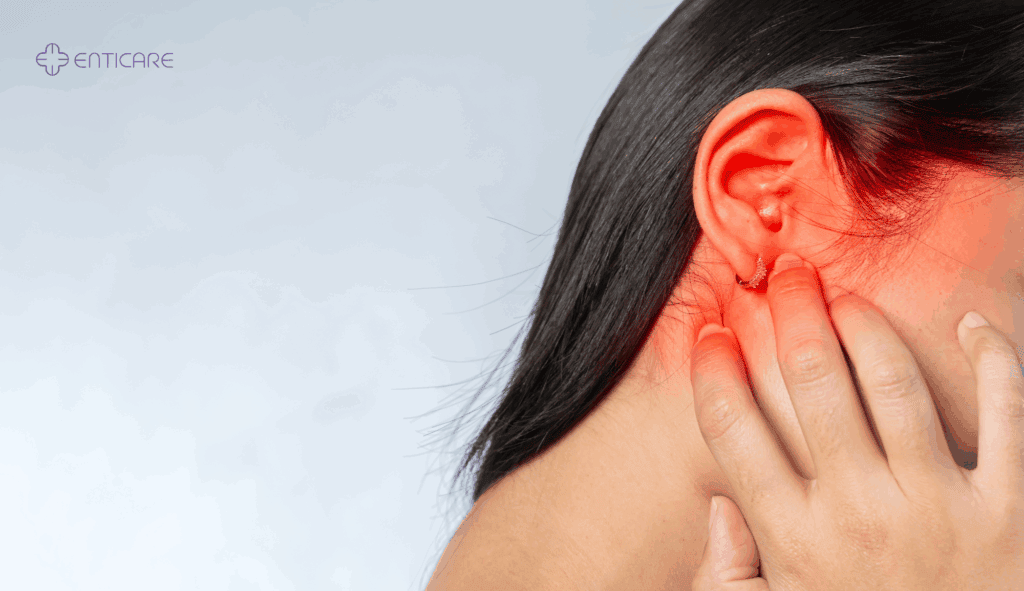
Understanding Ear Infections
What is an Ear Infection?
An ear infection, medically known as otitis media, occurs when bacteria or viruses invade the middle ear, the air-filled space behind the eardrum that houses tiny vibrating bones. These infections can be painful and may lead to symptoms such as fever, ear drainage, and temporary hearing loss. Ear infections come in three main types: outer ear infections (otitis externa), middle ear infections (otitis media), and inner ear infections (labyrinthitis). Each type affects different parts of the ear and can have varying degrees of severity.
What Happens During an Ear Infection?
An ear infection creates inflammation, fluid buildup, and discomfort in the ear. Understanding the basics helps you grasp why headphones might not be the best choice during this time.
Middle Ear Infections
- Infections in the middle ear (otitis media) create pressure and pain.
- Fluid trapped behind the eardrum worsens the condition.
- Headphones pressing against the ear canal might aggravate symptoms.
Outer Ear Infections
- Also called swimmer’s ear, these infections affect the ear canal.
- Prolonged headphone use can trap moisture, promoting bacterial growth, which can lead to an ear canal infection.
- Irritation from earbuds can lead to worsening inflammation.
Inner Ear Complications
- Inner ear infections often result in dizziness or balance issues.
- Using headphones during these symptoms might amplify discomfort.
Resource: CDC on Ear Infections
Why You Should Avoid Headphones During an Ear Infection
Wearing headphones may seem harmless, but it can worsen ear infections in several ways. Here’s why it’s best to avoid them temporarily:
Pressure and Discomfort
- Headphones, especially over-ear models, press against sensitive areas.
- The added pressure increases pain and delays healing.
Hygiene Concerns
- Earbuds and headphones collect bacteria over time.
- Using them during an ear infection exposes your ears to additional germs. Additionally, headphones can push ear wax deeper into the ear canal, leading to buildup and potential diseases.
Delayed Healing
- Continuous headphone use irritates the ear canal and eardrum.
- Continuous headphone use irritates the external ear canal and eardrum.
- This irritation might extend the recovery process.
Resource: Healthline on Ear Hygiene

The Risks of Earbuds
Using earbuds can significantly increase the risk of developing ear infections. These small devices can introduce bacteria directly into the ear canal, creating a breeding ground for infections. Additionally, earbuds can cause blockages in the ear canal and push earwax deeper, leading to buildup and potential diseases. Prolonged use of earbuds exacerbates these issues, and sharing them without proper cleaning can spread bacteria, increasing the risk of ear infections.
Safe Alternatives to Headphones
You don’t have to give up audio completely while recovering. These alternatives ensure comfort and safety:
External Speakers
- Use Bluetooth or wired speakers to enjoy music without headphones.
- Position the speaker at a comfortable distance to avoid overexposure to sound.
- Consider using external headphones that sit over the ears rather than inside to reduce the risk of ear infections.
Bone Conduction Headphones
- These headphones bypass the ear canal by transmitting sound through the skull.
- They reduce direct contact with the ear, lowering the risk of irritation.
Rest and Silence
- Sometimes, silence promotes faster healing.
- Use the opportunity to rest and let your ears recover naturally.
Resource: Johns Hopkins on Hearing Health
How to Prevent Future Ear Infections When Using Headphones
Proper headphone use helps you avoid future infections. Follow these tips for healthier listening habits:
Keep Headphones Clean
- Wipe headphones and earbuds with alcohol-based cleaners regularly.
- Avoid sharing headphones to minimize germ transfer. This practice is also important for other audio devices like hearing aids to prevent ear infections.
Limit Use
- Restrict headphone use to a few hours daily.
- Give your ears time to rest and breathe.
- Limiting headphone use can also help prevent hearing impairment caused by prolonged exposure to loud sounds.
Choose the Right Fit
- Avoid tight-fitting earbuds that seal moisture in the ear canal.
- Opt for breathable, over-ear headphones when possible.
Resource: Mayo Clinic on Ear Infection Prevention
Practicing Good Ear Hygiene
Maintaining good ear hygiene is crucial in preventing ear infections. Start by regularly cleaning your earbuds with alcohol wipes or a screen cloth to eliminate bacteria. Avoid sharing earbuds with others to minimize the risk of bacterial transfer. Ensure your earbuds fit well to prevent bacteria from entering the ear canal. It’s also important to limit the use of earbuds and take regular breaks to allow your ears to rest and breathe. These practices can help keep your ears healthy and infection-free.

Signs You Should See a Doctor
Ignoring the symptoms of an ear infection might lead to complications. Watch for these warning signs:
Persistent Pain
- Pain lasts over a week despite rest; home remedies require medical attention.
Hearing Loss
- Temporary hearing loss during an infection is common, but prolonged loss signals a more severe problem.
Fluid Drainage
- Yellow or green discharge from the ear could indicate a ruptured eardrum. Fluid drainage can also be a symptom of a middle ear infection, which requires medical attention.
Take Action: Schedule an appointment with a healthcare provider to address your ear health concerns.
Key Takeaways
- Avoid headphones during an ear infection to prevent irritation and delays in healing.
- Choose alternatives like external speakers or bone-conduction headphones.
- Clean and limit headphone use to prevent future infections.
- Seek medical advice if symptoms persist or worsen.
Conclusion
Your ear health matters. Protect it by making informed choices about headphone use during an ear infection. By taking the proper steps today, you can avoid the risk of prolonged discomfort and complications. If you’re experiencing persistent symptoms or have concerns about your hearing, schedule an appointment with ENTicare to receive expert care and guidance.