
Is It Snoring or Sleep Apnea? Here's the Difference.
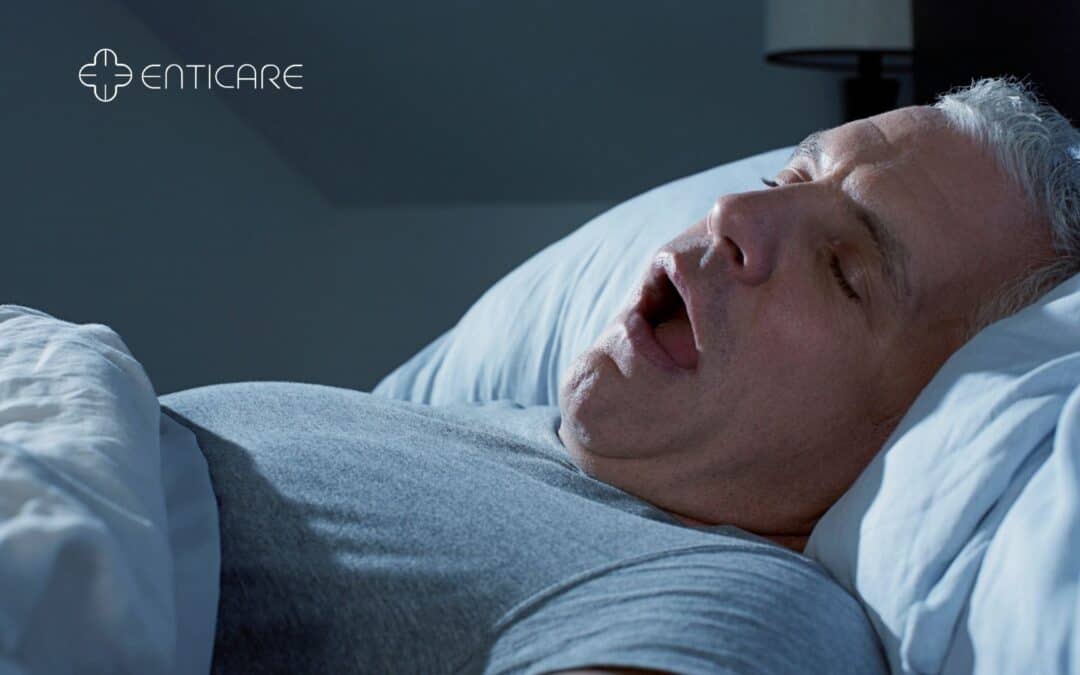
Not all snoring is a sign of sleep apnea, but loud, frequent snoring combined with pauses in breathing, gasping, or choking during sleep may indicate obstructive sleep apnea (OSA). While simple snoring is often harmless, sleep apnea is a medical condition that can affect your overall health if left untreated.
If you or your partner notices interrupted breathing during sleep, excessive daytime fatigue, or loud snoring that occurs almost every night, it’s important to seek an evaluation from an ENT specialist.
What Is Snoring?
Snoring is the sound produced when air flows through partially blocked tissues in the nose, mouth, or throat during sleep. The vibration of these tissues creates the familiar snoring noise.
Occasional snoring is common and may be caused by:
- Sleeping on your back
- Nasal congestion
- Allergies
- Alcohol consumption before bedtime
- Excess weight
- Enlarged tonsils or adenoids
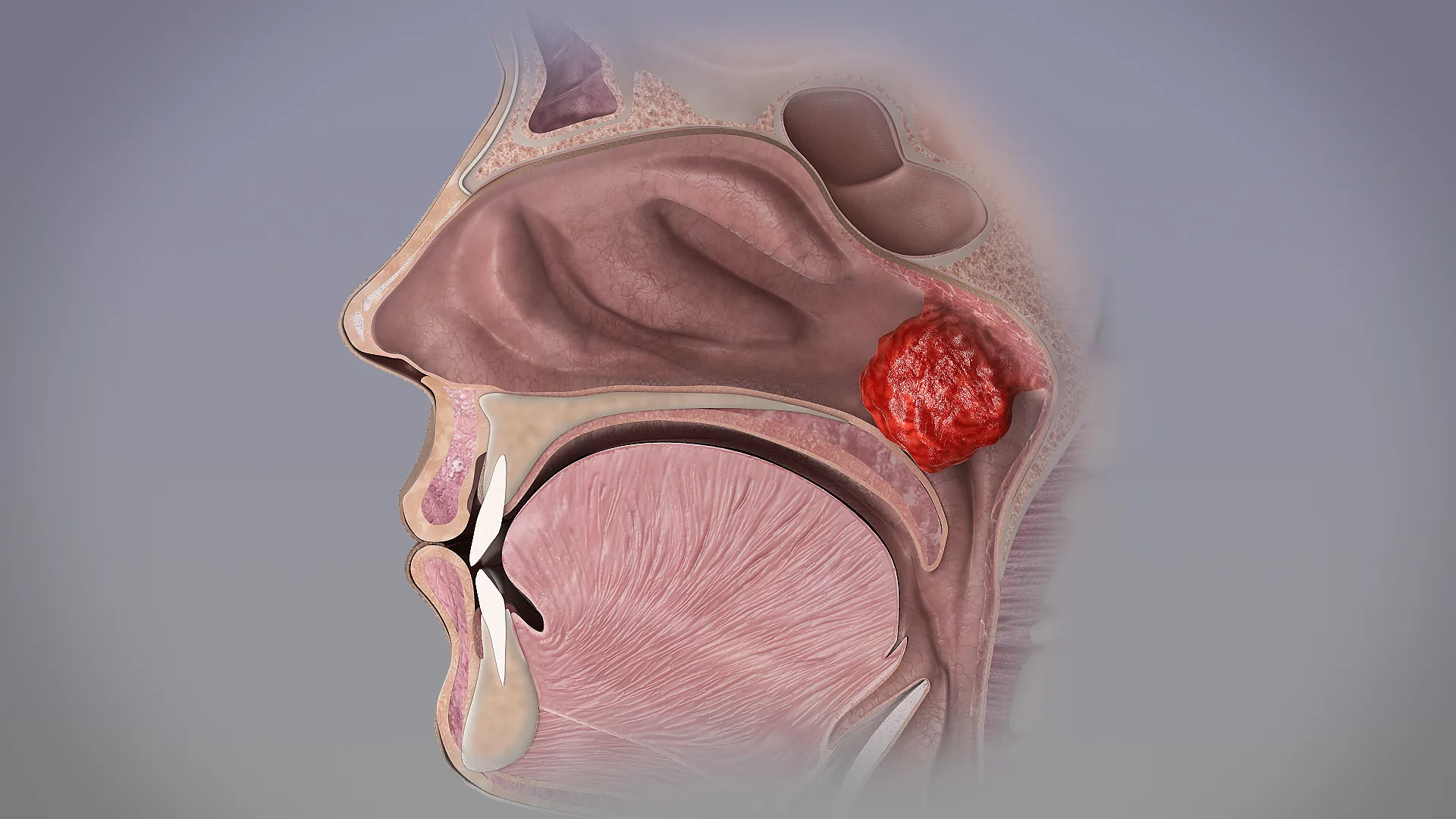
Many people snore occasionally without having a serious medical condition.
What Is Sleep Apnea?
Sleep apnea is a sleep disorder in which breathing repeatedly stops and starts during sleep. The most common type is obstructive sleep apnea (OSA), which occurs when the muscles in the throat relax too much, temporarily blocking the airway.
These breathing interruptions can happen dozens or even hundreds of times each night, reducing oxygen levels and disrupting restorative sleep.
How Can You Tell if Snoring Is Actually Sleep Apnea?
Snoring alone doesn’t confirm sleep apnea. However, certain symptoms strongly suggest that your snoring may be caused by obstructive sleep apnea.
Signs include:
- Loud, chronic snoring
- Pauses in breathing witnessed by a partner
- Gasping or choking during sleep
- Waking up with a dry mouth
- Morning headaches
- Excessive daytime sleepiness
- Difficulty concentrating
- Irritability
- Poor sleep quality despite spending enough time in bed
If you experience several of these symptoms, it’s important to schedule a professional evaluation.
What Are the Main Differences Between Snoring and Sleep Apnea?
Although they often occur together, snoring and sleep apnea are not the same condition.
| Snoring | Sleep Apnea |
|---|---|
| Caused by vibrating airway tissues | Caused by repeated airway blockage |
| Breathing continues normally | Breathing repeatedly stops during sleep |
| May be occasional | Usually occurs night after night |
| Often harmless | Can increase the risk of serious health conditions |
| May disturb others | Affects both sleep quality and overall health |
The biggest difference is that sleep apnea interrupts breathing, while simple snoring does not.
Why Is Sleep Apnea More Serious Than Snoring?
Sleep apnea can reduce oxygen levels throughout the night, placing extra strain on the heart, brain, and other organs.
Untreated sleep apnea has been linked to:
- High blood pressure
- Heart disease
- Stroke
- Type 2 diabetes
- Memory problems
- Depression
- Increased risk of accidents caused by daytime drowsiness
Early diagnosis and treatment can significantly reduce these health risks.
Who Is More Likely to Develop Sleep Apnea?
Anyone can develop sleep apnea, but certain factors increase the risk.
Common risk factors include:
- Excess body weight
- Large neck circumference
- Family history of sleep apnea
- Enlarged tonsils
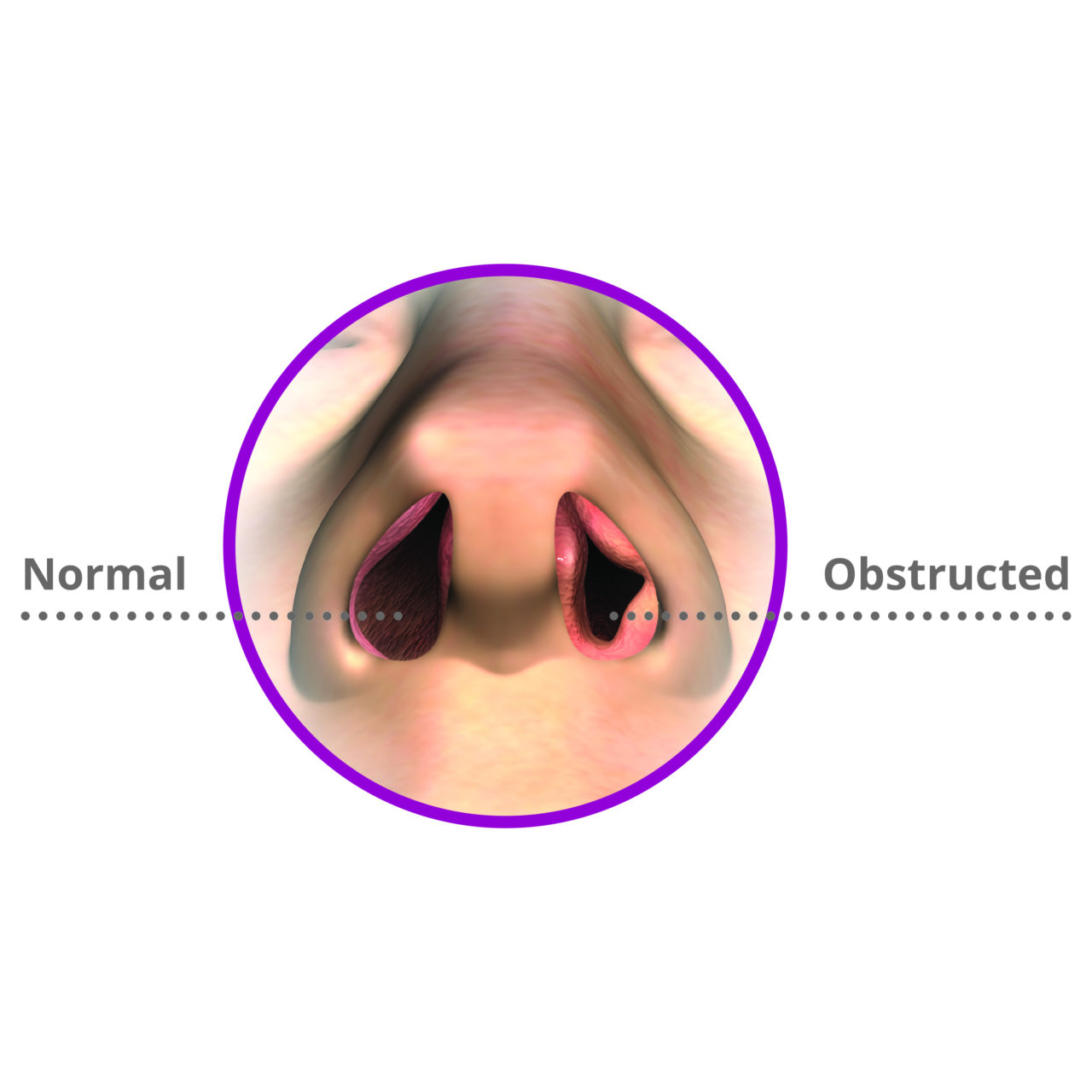
- Nasal obstruction
- Smoking
- Aging
- Being male, although women can also develop sleep apnea, especially after menopause
Children can also develop sleep apnea, often due to enlarged tonsils or adenoids.
When Should You See an ENT Specialist for Snoring?
You should schedule an evaluation if your snoring is loud, frequent, or accompanied by breathing pauses, choking, gasping, or excessive daytime fatigue.
You should also seek medical attention if you:
- Wake up feeling exhausted every morning
- Frequently fall asleep during the day
- Experience morning headaches
- Have difficulty concentrating
- Have high blood pressure that’s difficult to control
- Have been told you stop breathing while sleeping
An ENT specialist can determine whether your symptoms are caused by simple snoring or obstructive sleep apnea.
How Do ENT Specialists Diagnose Sleep Apnea?
Diagnosis typically begins with a detailed medical history and physical examination.
Your ENT specialist may recommend:
- An examination of the nose, throat, and airway
- Flexible nasal endoscopy if needed
- A home sleep apnea test
- An overnight sleep study (polysomnography)
- Imaging studies in certain cases
These evaluations help determine the severity of your condition and identify the source of the airway obstruction.
How Is Sleep Apnea Treated?
Treatment depends on the severity of your condition and the underlying cause.
Options may include:
- Weight loss when appropriate
- Lifestyle modifications
- Positional therapy
- Inspire Sleep Therapy
- Oral appliance therapy
- Nasal obstruction treatment
- Tonsil removal when enlarged tonsils are the cause
- Minimally invasive or advanced airway surgery for selected patients
Your ENT specialist will recommend a personalized treatment plan based on your anatomy and sleep study results.
Can Snoring Be Treated Even If You Don't Have Sleep Apnea?
Yes. Many people seek treatment because chronic snoring affects their sleep or their partner’s sleep.
Depending on the cause, treatment may include:
- Treating allergies
- Correcting nasal obstruction
- Weight management
- Oral appliances
- Lifestyle changes
- Surgical procedures for selected patients
Reducing snoring can improve sleep quality for both you and your family.
Expert Sleep Apnea Care Across Arizona
If you experience loud snoring, poor sleep, or symptoms of obstructive sleep apnea, the experienced ENT specialists at ENTICARE provide comprehensive evaluations and personalized treatment plans for patients throughout Casa Grande, Chandler, Gilbert, Glendale, Maricopa, San Tan Valley, and Scottsdale, Arizona.
Our team uses advanced diagnostic techniques to determine whether your symptoms are due to simple snoring or sleep apnea and recommends treatment options to improve your sleep, breathing, and overall health.
Frequently Asked Questions
Can you snore without having sleep apnea?
Yes. Many people snore without having sleep apnea. Simple snoring does not involve repeated pauses in breathing, while sleep apnea does.
Does everyone with sleep apnea snore?
Most people with obstructive sleep apnea snore, but not everyone does. Some individuals experience breathing interruptions without loud snoring.
Is loud snoring always dangerous?
No. Loud snoring alone is not always dangerous, but if it is accompanied by gasping, choking, breathing pauses, or excessive daytime sleepiness, it should be evaluated by an ENT specialist.
Can losing weight reduce snoring and sleep apnea?
For many people, maintaining a healthy weight can reduce airway obstruction and improve both snoring and obstructive sleep apnea. However, treatment recommendations vary depending on the underlying cause.
How do I know if I need a sleep study?
If you snore loudly, stop breathing during sleep, wake up gasping, or experience persistent daytime fatigue, your healthcare provider may recommend a sleep study to diagnose or rule out obstructive sleep apnea.
Don't Ignore Loud Snoring
While occasional snoring may be harmless, chronic loud snoring combined with breathing pauses, choking, or excessive daytime sleepiness should never be ignored. Sleep apnea is a treatable condition, and early diagnosis can help prevent serious health complications while improving your quality of life.
If you’re experiencing symptoms of sleep apnea or chronic snoring, the ENT specialists at ENTICARE proudly serve patients in Casa Grande, Chandler, Gilbert, Glendale, Maricopa, San Tan Valley, Scottsdale, and surrounding Arizona communities. Schedule an evaluation today to take the first step toward healthier sleep and better overall health.