

Depression and hypersomnia are closely linked conditions that can affect daily life. Hypersomnia causes excessive sleepiness and a strong need to sleep. For some people, it may be related to depression. For others, it may be caused by a separate sleep disorder.
This article explores the connection between hypersomnia and depression. We will look at common symptoms, possible causes, diagnosis, and treatment options. Understanding the connection between sleep and mental health can help you get the right care.
Understanding Hypersomnia: More Than Just Excessive Daytime Sleepiness
What Is Hypersomnia?
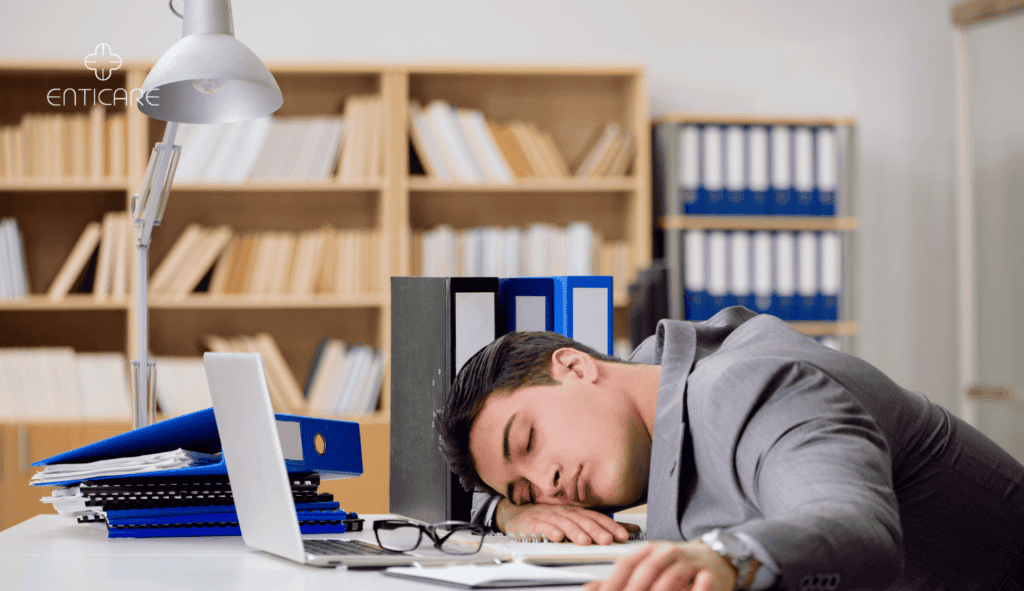
Hypersomnia is a condition that causes excessive daytime sleepiness. People with hypersomnia may feel an overwhelming need to sleep during the day. They may also have trouble staying awake and alert.
This condition can make everyday activities more difficult. It may affect work, school, relationships, and overall quality of life.
A Multiple Sleep Latency Test (MSLT) may be used to measure how quickly a person falls asleep during the day. This test can help doctors evaluate excessive daytime sleepiness and diagnose certain sleep disorders.
Types of Hypersomnia
Hypersomnia can occur for different reasons.
- Primary hypersomnia: Excessive sleepiness occurs without another known medical condition causing it.
- Secondary hypersomnia: Excessive sleepiness is linked to another condition, such as depression, sleep apnea, or chronic fatigue syndrome.
- Idiopathic hypersomnia: Excessive sleepiness occurs without a clear underlying cause. People with this condition may sleep for long periods and still feel tired during the day.
Common Symptoms of Hypersomnia
Symptoms may include:
- Frequent daytime naps
- Difficulty waking up after a full night of sleep
- Persistent daytime sleepiness
- Sleeping for long periods
- Difficulty staying awake during the day
- Trouble concentrating or completing daily tasks
Recognizing these symptoms early can help you find the right diagnosis and treatment.
The Link Between Hypersomnia and Depression
Hypersomnia as a Symptom of Depression
Hypersomnia can sometimes be a symptom of depression. Some people with depression may sleep for long periods but still feel tired during the day.
Depression can also affect sleep quality. Even after getting enough sleep, a person may not feel rested or refreshed.
Other symptoms of depression may include:
- Persistent sadness
- Feelings of hopelessness
- Loss of interest in activities
- Difficulty concentrating
- Changes in appetite or weight
- Low energy
- Changes in sleep patterns
If excessive sleepiness occurs with several of these symptoms, it is important to speak with a healthcare professional.
How Depression Can Affect Sleep
Depression can change the body’s normal sleep patterns. Some people with depression have trouble falling asleep or staying asleep. Others may sleep much more than usual.
Poor sleep can also make depression symptoms worse. This can create a cycle in which sleep problems and mood symptoms continue to affect each other.
The Cycle Between Sleep and Mental Health
Hypersomnia and depression can sometimes create a difficult cycle.
For example:
- Depression may lead to excessive sleepiness.
- Spending too much time sleeping may reduce daily activity.
- Less activity may increase feelings of fatigue and isolation.
- These feelings may worsen depression symptoms.
- Worsening depression may lead to more excessive sleep.
Breaking this cycle often requires treatment for both the sleep problem and the underlying mental health condition.
Other Conditions That May Occur With Hypersomnia
Hypersomnia may occur alongside other health conditions. These can include:
- Depression
- Anxiety
- Mood disorders
- Attention deficit hyperactivity disorder (ADHD)
- Sleep apnea
- Insomnia
People with hypersomnia may also experience:
- Difficulty concentrating
- Memory problems
- Low productivity
- Sleep paralysis
- Difficulty waking up
- Sleep drunkenness
- Changes in sleep patterns
These symptoms can affect work, school, relationships, and social activities.
Some people with hypersomnia may also experience depression or anxiety. Because several conditions can cause similar symptoms, a complete evaluation is important.
Treating both hypersomnia and any related conditions can help improve sleep, mental health, and quality of life.
Sleep Apnea: A Related Sleep Condition
Sleep apnea is another condition that can cause excessive daytime sleepiness.
People with sleep apnea repeatedly stop and restart breathing during sleep. These breathing interruptions can prevent the body from getting enough restful sleep.
Common symptoms of sleep apnea include:
- Loud snoring
- Gasping or choking during sleep
- Frequent nighttime awakenings
- Morning headaches
- Daytime sleepiness
- Difficulty concentrating
Sleep apnea can also affect mental health. Poor sleep may contribute to fatigue, irritability, anxiety, and depression symptoms.
How Sleep Apnea Is Treated
Treatment depends on the type and severity of sleep apnea. Options may include:
- Inspire Sleep Therapy
- Lifestyle changes
- Weight management when appropriate
- Oral appliances
- Surgery in certain cases
Inspire Sleep Therapy delivers mild stimulation to key airway muscles, allowing the airway to open during sleep. You simply turn Inspire on with a handheld remote before bed. Throughout the night, Inspire monitors your breathing patterns and delivers mild stimulation to keep your airway open. When you wake up, you use the remote to turn off Inspire. Additionally, you can use the remote to pause therapy during the night if needed and increase/decrease therapy settings.
If you have excessive daytime sleepiness, it is important to determine whether sleep apnea or another sleep disorder may be contributing to your symptoms.
Diagnosing Hypersomnia
Diagnosing hypersomnia can be challenging because excessive sleepiness can have many possible causes. Symptoms may overlap with sleep apnea, depression, insomnia, and other sleep disorders.
A healthcare provider may review your medical history, sleep habits, medications, and symptoms. Additional testing may also be needed.
Diagnostic Evaluation
Your healthcare provider may consider:
- How long you have experienced excessive sleepiness
- How many hours you sleep each night
- Whether you feel rested after sleeping
- How often you nap during the day
- How easily you wake up
- Whether you have other sleep or mental health symptoms
A sleep specialist may recommend a sleep study or a Multiple Sleep Latency Test (MSLT) to better understand your symptoms.
Conditions That May Need to Be Ruled Out
Doctors may evaluate for other conditions that can cause excessive daytime sleepiness, including:
- Sleep apnea
- Insomnia
- Narcolepsy
- Restless legs syndrome
- Periodic limb movement disorder
- Depression
- Anxiety disorders
- Attention deficit hyperactivity disorder (ADHD)
A thorough evaluation can help identify the cause of your symptoms and guide the right treatment.
How to Recognize if Your Sleepiness is Linked to Depression
Sleep Patterns and Depression
Hypersomnia can have many causes. However, excessive sleepiness may be related to depression when it occurs alongside other mood symptoms.
Signs may include:
- Persistent sadness or hopelessness
- Loss of interest in activities
- Difficulty concentrating
- Low energy
- Changes in appetite
- Weight gain or weight loss
- Changes in sleep patterns
Paying attention to both your sleep and emotional health can help your healthcare provider understand what may be causing your symptoms.
When to Seek Professional Help
Talk with a healthcare professional if excessive sleepiness is affecting your daily life, especially if you also experience symptoms of depression.
Your provider may recommend:
- A physical examination
- A review of your sleep habits
- A mental health evaluation
- A sleep study
- A Multiple Sleep Latency Test (MSLT)
- Other tests based on your symptoms
Why Both Conditions Need Attention
If you have both hypersomnia and depression, treating only one condition may not fully improve your symptoms.
A treatment plan may need to address both your sleep and mental health. Identifying and treating the underlying causes can help improve your energy, mood, sleep, and quality of life.
Treatment Options for Hypersomnia and Depression
Treatment depends on the cause of your symptoms. Your healthcare provider may recommend one or more approaches.
Cognitive Behavioral Therapy (CBT)
Cognitive behavioral therapy (CBT) can help people manage depression and certain sleep problems.
CBT focuses on identifying unhelpful thoughts and behaviors. It can also help people develop healthier habits and coping skills.
Medications
Some medications may be used to treat depression or excessive daytime sleepiness.
Depending on the cause, a healthcare provider may recommend:
- Antidepressants
- Wake-promoting medications
- Other medications to treat an underlying condition
Your provider can help determine which medication, if any, is appropriate for you.
Lifestyle Changes
Healthy daily habits may also support better sleep and mental health.
Consider:
- Sleep schedule: Go to bed and wake up at consistent times.
- Sleep hygiene: Create a relaxing bedtime routine and a comfortable sleep environment.
- Exercise: Regular physical activity can support better sleep and improve mood.
- Healthy diet: A balanced diet can support overall physical and mental health.
- Stress management: Relaxation techniques may help reduce stress and support better sleep.
Lifestyle changes work best when combined with appropriate medical care.
Reducing the Risk of Sleep Problems and Depression

Understand Your Sleep Needs
Most adults need about 7 to 9 hours of sleep each night. However, sleep needs can vary from person to person.
Regularly sleeping much longer than usual may be a sign of an underlying issue. If you consistently feel tired despite getting enough sleep, talk with a healthcare professional.
Pay attention to changes in your sleep habits, especially during periods of stress or emotional difficulty.
Manage Stress
Stress can affect both sleep and mental health.
Healthy ways to manage stress may include:
- Meditation
- Deep breathing exercises
- Yoga
- Regular physical activity
- Spending time with supportive people
- Taking breaks when needed
Finding healthy ways to manage stress may help support better sleep and emotional well-being.
Build a Strong Support System
A strong support system can make it easier to manage sleep and mental health challenges.
Talk with trusted:
- Family members
- Friends
- Healthcare providers
- Mental health professionals
- Support groups
You do not have to manage excessive sleepiness or depression alone. Asking for support can be an important part of recovery.
Get Help for Excessive Sleepiness and Depression
Hypersomnia and depression can have a major effect on your quality of life. However, you do not have to manage these symptoms alone.
The first step is understanding what may be causing your excessive sleepiness. A healthcare provider or sleep specialist can evaluate your symptoms and recommend appropriate testing.
A Multiple Sleep Latency Test (MSLT) may be used to evaluate excessive daytime sleepiness and help diagnose certain sleep disorders.
If you are struggling with excessive sleepiness, depression, or both, schedule an appointment with our team of specialists. Getting the right diagnosis can help you find the treatment and support you need.
Click here to schedule your appointment.
Conclusion
Hypersomnia can affect much more than your sleep. Excessive daytime sleepiness can make it difficult to work, attend school, maintain relationships, and enjoy daily activities.
For some people, hypersomnia may be linked to depression. It can also occur with sleep apnea and other sleep disorders. Because many conditions can cause similar symptoms, getting an accurate diagnosis is important.
A healthcare provider can help identify the cause of your excessive sleepiness. Treatment may include therapy, medication, lifestyle changes, or treatment for an underlying sleep disorder.
If you are experiencing excessive sleepiness or symptoms of depression, do not ignore them. Seeking professional help can be the first step toward better sleep, improved mental health, and a better quality of life.