

Can You Be Allergic to Salt? Understanding Symptoms and Solutions
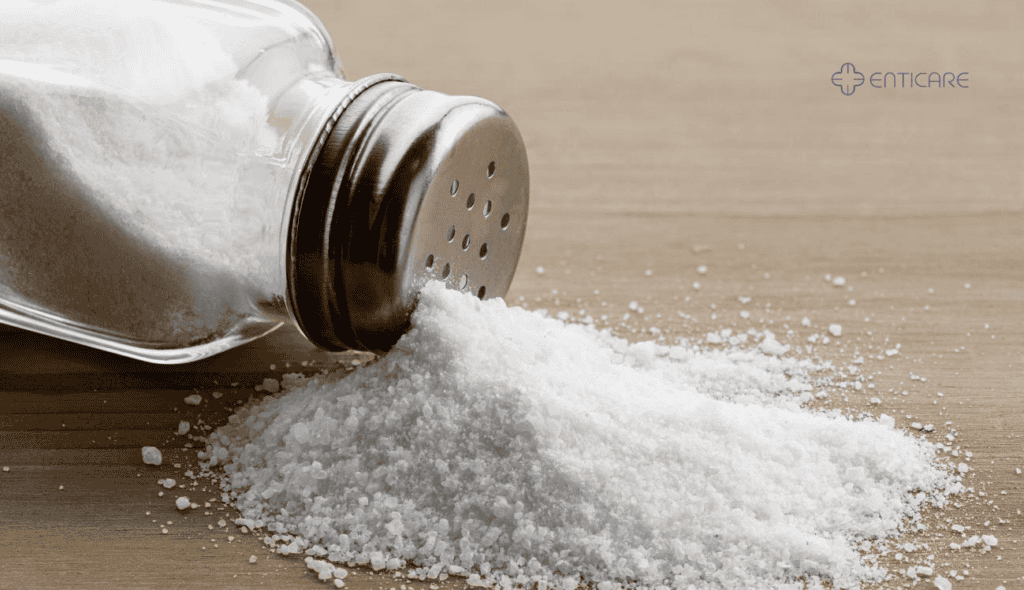
Salt is a staple in kitchens worldwide, but could it be causing health concerns beyond the typical dietary discussions? Many wonder if allergies to salt are possible and, if so, what symptoms and solutions exist. This blog explores the complexities of salt sensitivities, often confused with allergies and provides actionable solutions for relief.
What Is a Salt Allergy?
Defining True Food Allergies
An allergy occurs when the immune system overreacts to a substance, treating it as harmful. It’s important to note that true salt allergies are incredibly rare, as sodium chloride (table salt) is a naturally occurring and essential mineral in the body. This rarity should provide some reassurance to those concerned about their salt intake.
Salt Sensitivities vs. Allergies
Most people who think they are allergic to salt actually experience sensitivity. High dietary salt intake (HSD) can have detrimental effects on human health, including cardiovascular issues, hypertension, and food allergies. This sensitivity often stems from additives in processed salts or underlying health conditions.
Misunderstood Reactions to Sodium
Reactions blamed on salt might result from other dietary triggers. A high salt diet can affect immune responses and potentially mimic allergy symptoms. For instance, responses to iodine-enriched salts or impurities in unrefined salts could mimic allergy symptoms.
Symptoms of Salt-Related Reactions

Skin Irritations and Redness
- Rashes: Certain salts, especially those with additives, may cause localized skin reactions.
- Swelling: Some people experience puffiness or inflammation after consuming salt.
- Itching: Additives in processed salts could irritate sensitive skin types.
Digestive Upset and Discomfort
- Bloating: Excessive salt consumption might lead to water retention and discomfort.
- Nausea: Overconsumption or sensitivity to salt additives can upset the stomach.
- Diarrhea: Rarely, reactions to impurities in salt could trigger digestive issues.
Nasal Congestion and Cardiovascular Symptoms
Shortness of Breath: Sensitivities may provoke respiratory discomfort in rare cases. Nasal congestion is a common symptom of allergies, and nasal irrigation using a saline solution can effectively clear this congestion by removing allergens and mucus from the nasal passages.
Heart Palpitations: High sodium levels sometimes contribute to increased heart rate.
Dizziness: Dehydration caused by excessive salt intake can result in lightheadedness.
Causes of Salt Sensitivities
Additives in Processed Salts
- Anti-Caking Agents: Chemicals like sodium ferrocyanide in salt prevent clumping but may trigger reactions.
- Iodized Salt: While beneficial for thyroid health, iodine could cause sensitivities in some people.
- Flavor Additives: Seasoned salts often contain MSG or other compounds that could irritate.
Pre-Existing Conditions and Reactions
- Hypertension: High blood pressure amplifies the effects of sodium sensitivity. A high salt diet can impact T cells and exacerbate allergic responses by modifying the differentiation of T helper cells and elevating certain immune markers.
- Autoimmune Diseases: Conditions like lupus may make individuals more sensitive to dietary sodium.
- Kidney Issues: Poor filtration in the kidneys can heighten reactions to salt.
Immune System Responses
Though rare, the immune system may mistakenly react to certain impurities in unrefined salts or foreign substances in heavily processed salts. Additionally, high dietary salt intake (HSD) can affect the function of immune cells, particularly type 2 T helper cells (TH2 cells), which are linked to allergic responses.
Relation to Other Food Allergies
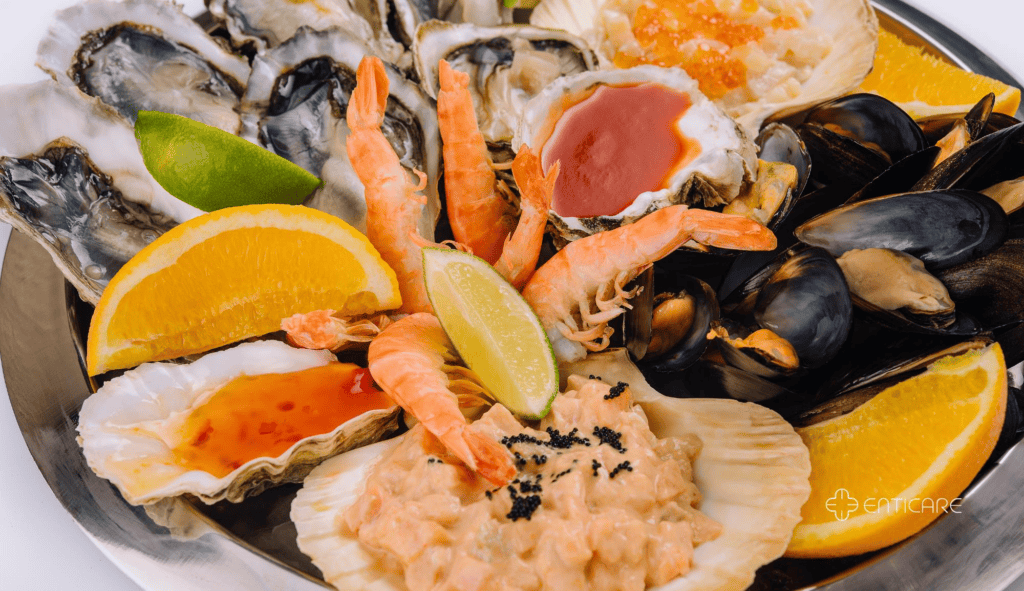
A sea salt allergy can be related to other food allergies, particularly those that involve shellfish or fish. This is because sea salt can contain trace amounts of these allergens, which can trigger an allergic reaction in individuals with a pre-existing allergy.
Cross-Reactivity and Common Triggers
Cross-reactivity occurs when the immune system mistakenly identifies a similar protein in a different food as the same allergen. In the case of sea salt, cross-reactivity can occur with shellfish or fish allergies. Common triggers for a sea salt allergy include:
- Shellfish: Shrimp, crab, lobster, and crayfish
- Fish: Cod, salmon, and tilapia
- Other foods: Iodized salt, soy sauce, and fish sauce
It’s essential to note that a sea salt allergy is not the same as a salt allergy. Salt is a common ingredient in many foods, and a salt allergy is extremely rare. However, individuals with a sea salt allergy may need to avoid certain foods that contain high amounts of salt or iodine. Understanding these connections can help manage and prevent allergic reactions more effectively.
Testing and Diagnosis
Allergy Tests and Sensitivity Panels
- Skin Prick Testing: Helps determine whether an immune response occurs to additives in salt.
- Blood Tests: Identifies specific antibodies that signal an allergy.
- Elimination Diets: Removes potential triggers from your diet to pinpoint the cause.
Tracking Symptoms with a Food Diary
Keep a detailed record of meals, symptoms, and reactions to identify patterns.
Note brands and types of salt to narrow down sensitivities to specific products.
Professional Consultation for Clarity
Consulting an allergist or dietitian is a crucial step that ensures accurate diagnosis and targeted solutions. Their expertise and guidance can be invaluable in differentiating allergies from other conditions, empowering you with the knowledge you need to manage your health effectively.
Solutions and Prevention

Adjusting Your Diet
Reduce processed food intake, which often contains high levels of sodium. High dietary salt intake (HSD) can have detrimental effects on health, including cardiovascular issues, hypertension, and food allergies. It can disrupt the immune system and influence the differentiation of immune cells that drive allergic responses.
Incorporate fresh herbs and spices as flavorful, low-sodium alternatives.
Choosing Cleaner Salt Options
Opt for unprocessed salts like Himalayan pink salt or sea salt.
Read labels carefully to avoid additives like anti-caking agents and artificial flavors.
Seeking Medical Advice
Follow your doctor’s recommendations for sodium intake, especially if you have pre-existing health conditions.
Consider allergy treatments under professional guidance, such as antihistamines or dietary adjustments.
Key Takeaways
True salt allergies are rare, but sensitivities to additives in processed salts occur more frequently.
Symptoms can range from mild skin irritation to severe digestive and cardiovascular issues.
Diagnosis involves allergy tests, food diaries, and professional consultations.
Preventive measures include reducing processed food, choosing cleaner salt options, and seeking medical advice.
Responding to an Allergic Reaction
If you experience an allergic reaction to sea salt, it’s crucial to respond promptly and effectively.
Immediate Steps and Long-term Management
In the event of an allergic reaction, immediate steps should be taken to ensure safety and minimize symptoms:
- Stop Consumption: Immediately stop consuming the food or drink that triggered the reaction.
- Administer Antihistamines: Over-the-counter antihistamines can help reduce mild symptoms such as itching or hives.
- Seek Medical Help: For severe reactions, such as difficulty breathing or swelling, seek emergency medical assistance immediately.
For long-term management:
- Consult an Allergist: An allergist can provide a comprehensive evaluation and personalized management plan.
- Carry an EpiPen: If prescribed, always carry an epinephrine auto-injector for emergency use.
- Read Labels Carefully: Be vigilant about reading food labels to avoid allergens.
- Educate Yourself and Others: Understanding your allergy and educating those around you can help prevent accidental exposure.
By taking these steps, you can manage your sea salt allergy effectively and reduce the risk of severe reactions.
Conclusion and Call to Action
Salt may seem harmless, but sensitivities can significantly affect your quality of life. If you suspect a reaction to salt, don’t wait to seek help. At Enticare, our specialists can provide comprehensive allergy testing and personalized treatment plans to help you find relief. Schedule your appointment today at Enticare Allergy Services and take the first step toward a healthier, happier life.