
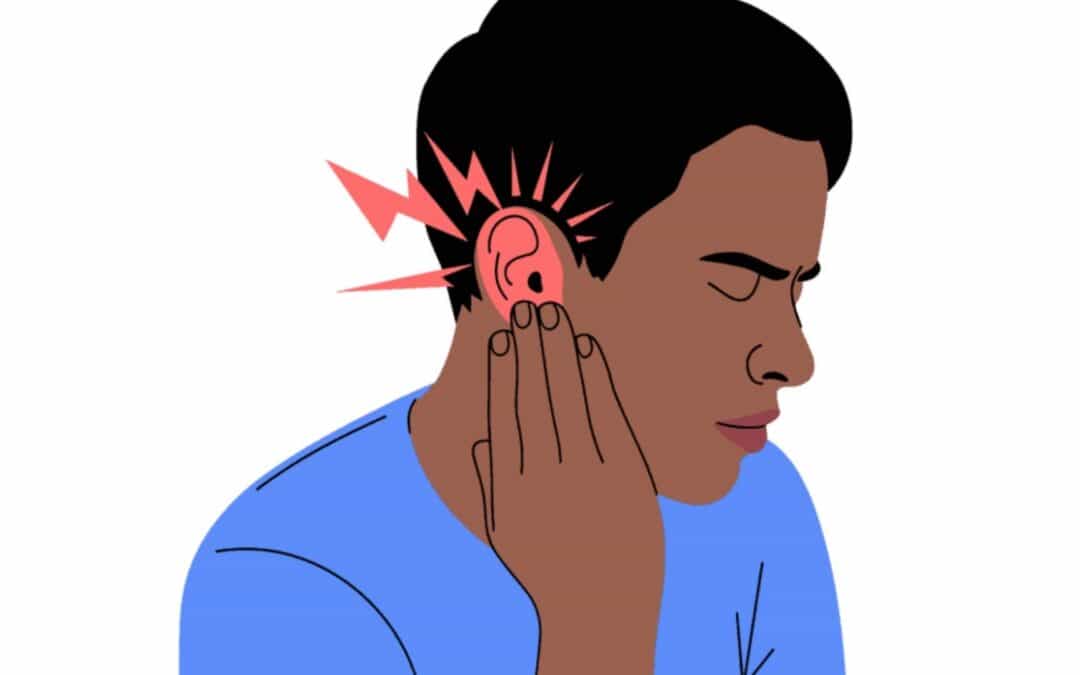
If your ear feels clogged during allergy season, you’re not alone. Allergies can cause swelling, fluid buildup, and blockage in the Eustachian tubes, leading to that uncomfortable, muffled sensation. This guide will help you understand why this happens and how to find relief.
Understanding the Connection Between Allergies and Clogged Ears
When you encounter allergens like pollen or dust, your body releases histamines. Understanding the common causes of ear pressure, such as inflammation from allergens, can help manage the discomfort effectively. These chemicals cause inflammation in your nasal passages and eustachian tubes—the small canals that connect your middle ear to your throat. Swelling in these tubes can trap fluid and air, leading to a feeling of fullness or pressure in your ears.
Symptoms to Watch For
- Muffled hearing
- A feeling of fullness or pressure in the ear
- Ear pain or discomfort
- Tinnitus (ringing in the ears)
- Fluid coming from the ear
Why It’s Important to Address
Ignoring these symptoms can lead to more serious issues like ear infections or prolonged discomfort. Addressing the underlying allergy can help prevent these complications. Persistent ear pain could also indicate underlying health conditions that require medical attention.
Home Remedies to Alleviate Ear Congestion
- Steam Inhalation
Inhaling steam can help open up your nasal passages and Eustachian tubes. Fill a bowl with hot water, place a towel over your head, and breathe in the steam for 5–10 minutes. Adding a few drops of eucalyptus oil can enhance the effect.
- Warm Compress
A warm compress to the affected ear can promote drainage and reduce discomfort. Soak a washcloth in warm water, wring it out, and place it over your ear for 10–15 minutes.[[Mom Prepared]](LINK 1)
Additionally, neck and jaw exercises can help alleviate ear pain linked to TMJ issues.
- Nasal Irrigation
Saline solutions can reduce inflammation and promote drainage by rinsing nasal passages. Neti pots or saline sprays are practical tools for this purpose. Always use distilled or sterilized water to avoid infections.
Over-the-Counter Solutions
- Antihistamines
Medications like loratadine (Claritin) or cetirizine (Zyrtec) can reduce the body’s allergic response, decreasing inflammation in the Eustachian tubes.
- Decongestants
Oral decongestants like pseudoephedrine (Sudafed) or nasal sprays like oxymetazoline (Afrin) can shrink swollen tissues and promote drainage. Use nasal sprays for no more than three consecutive days to avoid rebound congestion.
- Nasal Steroid Sprays
Fluticasone (Flonase) is a corticosteroid spray that reduces inflammation in the nasal passages and Eustachian tubes. Regular use can prevent symptoms during allergy season.
Lifestyle Adjustments for Long-Term Relief
- Stay Hydrated
Drinking plenty of fluids helps thin mucus, making it easier for your body to drain it from the Eustachian tubes.
- Elevate Your Head
Sleeping with your head elevated can prevent fluid from accumulating in your ears overnight. Use extra pillows or a wedge to keep your head above your heart level.
- Avoid Allergens
Identify and minimize exposure to allergens that trigger your symptoms. Keep windows closed during high pollen days, use air purifiers, and regularly clean your living space to reduce dust and pet dander.
When to Seek Professional Help
If home remedies and over-the-counter treatments don’t relieve your symptoms, it’s time to consult a doctor. Persistent ear congestion can lead to infections or hearing loss if left untreated. Healthcare providers often recommend a wait-and-see approach before prescribing antibiotics, particularly for infections that may resolve without medication.
An allergist can perform tests to identify specific allergens and recommend treatments like immunotherapy. An ENT specialist can assess your ear health and suggest procedures to improve Eustachian tube function.
Key Takeaways
- Allergies can cause Eustachian tube dysfunction, leading to clogged ears.
- Home remedies like steam inhalation, warm compresses, and nasal irrigation can provide relief.
- Over-the-counter medications, including antihistamines and decongestants, can reduce inflammation.
- Lifestyle changes, such as staying hydrated and avoiding allergens, can prevent symptoms.
- Consult a healthcare provider if symptoms persist to avoid complications. Ear pain can be treated using OTC medications, prescription medications, and home remedies.
Take the Next Step Toward Relief
Don’t let allergies disrupt your daily life. If you’re experiencing persistent ear congestion, schedule an appointment with our specialists at Enticare. Our team can help identify the cause of your symptoms and develop a personalized treatment plan. Our specialists can prescribe medications to treat ear pain if over-the-counter options are insufficient.
👉 Schedule an appointment today
FAQ Section
Can allergies cause ear pain?
Yes. Allergies trigger inflammation that can block the Eustachian tubes, leading to ear pressure, pain, and muffled hearing.
How long does allergy-related ear pain last?
Symptoms often last as long as allergen exposure continues. Proper treatment can shorten duration and prevent recurrence.
Do antihistamines help with ear congestion?
Yes. Antihistamines reduce inflammation and fluid buildup that contributes to ear pressure.
When should I see an ENT for ear pain?
Seek care if symptoms last longer than a week, worsen, or include dizziness, hearing loss, or fluid drainage.
Can untreated allergy ear pain lead to infection?
Yes. Prolonged fluid buildup increases the risk of middle ear infections.