
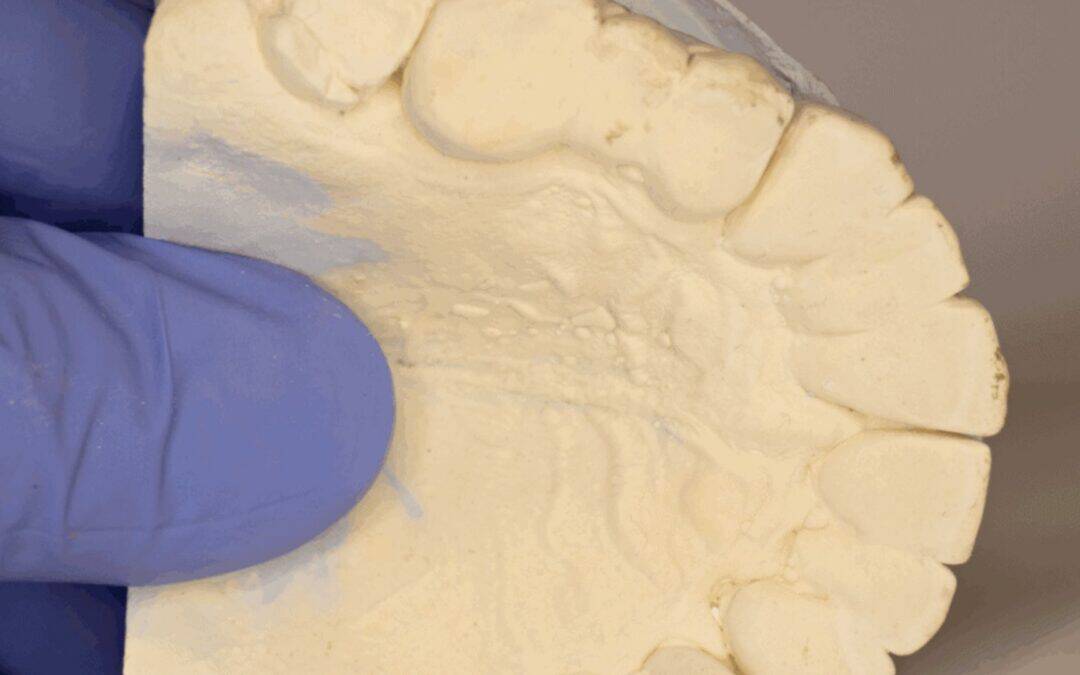
Sleep apnea disrupts your rest and affects your overall health. Strengthening your soft Palate through practical sleep apnea exercises can help alleviate sleep apnea symptoms. Let’s explore practical exercises to enhance your sleep quality.
Understanding Sleep Apnea and the Role of the Soft Palate
Sleep apnea causes breathing interruptions during sleep. The soft Palate plays a significant role in this condition.
- What Is Sleep Apnea? Sleep apnea, particularly obstructive sleep apnea, involves repeated breathing pauses during sleep, which can lead to poor rest and health issues.
- The Soft Palate’s function is to help close the nasal passages during swallowing and open them during breathing. Weakness here can contribute to airway collapse during sleep.
- How Strengthening the Soft Palate Helps: Exercises targeting the soft Palate can reduce airway collapse, decreasing the severity of sleep apnea and managing it more effectively.
Benefits of Soft Palate Exercises for Sleep Apnea
Soft palate exercises can be valuable to a comprehensive sleep apnea treatment plan. By strengthening the muscles in the soft Palate, individuals can improve their breathing and sleep quality, reducing the severity of sleep apnea symptoms.
Improved Breathing and Sleep Quality
The soft Palate plays a crucial role in maintaining the patency of the upper airway during sleep. When the soft Palate is weak or relaxed, it can collapse and obstruct the airway, leading to sleep apnea. By strengthening the soft palate muscles through exercises, individuals can improve their breathing and sleep quality, reducing the frequency and severity of sleep apnea episodes.
Reduced Sleep Apnea Symptoms and Increased Energy
Regular soft palate exercises can help reduce sleep apnea symptoms, such as snoring, daytime fatigue, and morning headaches. By improving breathing and sleep quality, individuals can experience increased energy levels, improved cognitive function, and enhanced overall quality of life.
Preparing for Soft Palate Exercises
Before starting soft palate exercises, it is essential to consult a healthcare professional to discuss the best approach for your specific needs.
Consult a Healthcare Professional
A healthcare professional can assess your sleep apnea symptoms and recommend a personalized exercise program targeting soft palate muscles. They can also provide guidance on proper technique, frequency, and duration of exercises to ensure safe and effective treatment.
In addition to consulting a healthcare professional, it is crucial to understand the anatomy and function of the soft Palate and its role in sleep apnea. This knowledge will help you better understand the exercises and their benefits, allowing you to make informed decisions about your treatment plan.
By incorporating soft palate exercises into your sleep apnea treatment plan, you can proactively manage your symptoms and improve your overall health and well-being.
Effective Soft Palate Exercises
Incorporate these soft palate exercises and mouth and throat exercises into your daily routine to strengthen your soft palate.
- Palatal Flutter Exercise: Close your mouth and blow air through your closed lips to create a fluttering sound. This exercise targets the soft palate muscles.
- Singing Practice: Singing can increase muscle control in the throat and soft Palate, reducing snoring caused by lax muscles.
- Soft Palate Stretch: Open your mouth wide and say “ah” for 20 seconds, then relax. Repeat this 10 times. Strengthening the soft Palate can help reduce airway blockages, and combining it with tongue exercises can further enhance the benefits.
Complementary Tongue and Throat Exercises
Enhance the benefits of soft palate exercises by including workouts targeting the tongue and throat muscles.
- Tongue Slide: Place the tip of your tongue against the back of your top front teeth. Slowly slide your tongue backward along the roof of your mouth. This exercise strengthens the tongue and engages the facial muscles, contributing to better airway function. Repeat this exercise 5-10 times.
- Tongue Stretch: Stick your tongue out as far as possible, pointing toward your chin. Hold for 5 seconds. Bring your tongue back in and repeat 10 times.
- Gargling: Gargling for 5 minutes twice daily can strengthen throat muscles.
Incorporating Exercises into Your Daily Routine
Consistency is key to seeing improvements, and incorporating breathing exercises can further enhance the benefits.
- Set a Schedule: Dedicate a specific time each day for your exercises to build a habit.
- Combine with Daily Activities: Perform exercises during routine tasks, like showering or commuting, and practice nasal breathing to make them more manageable.
- Track Your Progress: Keep a journal to monitor your exercises and note any improvements in your sleep quality.
When to Consult a Professional
While these select exercises can help, professional guidance ensures comprehensive care to manage sleep apnea effectively.
- Persistent Symptoms: If sleep apnea symptoms continue despite regular exercises, consult a healthcare provider.
- Seeking Personalized Advice: A specialist can offer tailored recommendations based on your specific condition.
- Exploring Additional Treatments: Professionals can discuss other treatments, such as CPAP therapy or oral appliances, if necessary.
Key Takeaways:
- Strengthening the soft Palate can reduce sleep apnea symptoms.
- Consistent practice of targeted exercises is essential.
- Consult a healthcare provider for personalized advice.
Ready to improve your sleep? Schedule an appointment with our specialists today.
FAQ for Blog
Q1: Do soft palate exercises really help with sleep apnea?
Yes. Strengthening the soft palate helps keep your airway open during sleep, reducing snoring and apnea episodes.
Q2: How often should I perform these exercises?
For best results, practice soft palate and tongue exercises daily for 10–15 minutes.
Q3: Can exercises replace CPAP therapy?
Not entirely. Exercises can complement CPAP use and may help reduce dependence, but consult your sleep specialist first.
Q4: How long before I notice improvement?
Most people experience noticeable results in 4–8 weeks with consistent practice.
Q5: Does Enticare offer personalized exercise programs?
Absolutely. Enticare’s sleep specialists can tailor a soft palate exercise plan to fit your unique needs.