

CPAP Whistling: Why Is My Machine Doing It and How to Fix It!
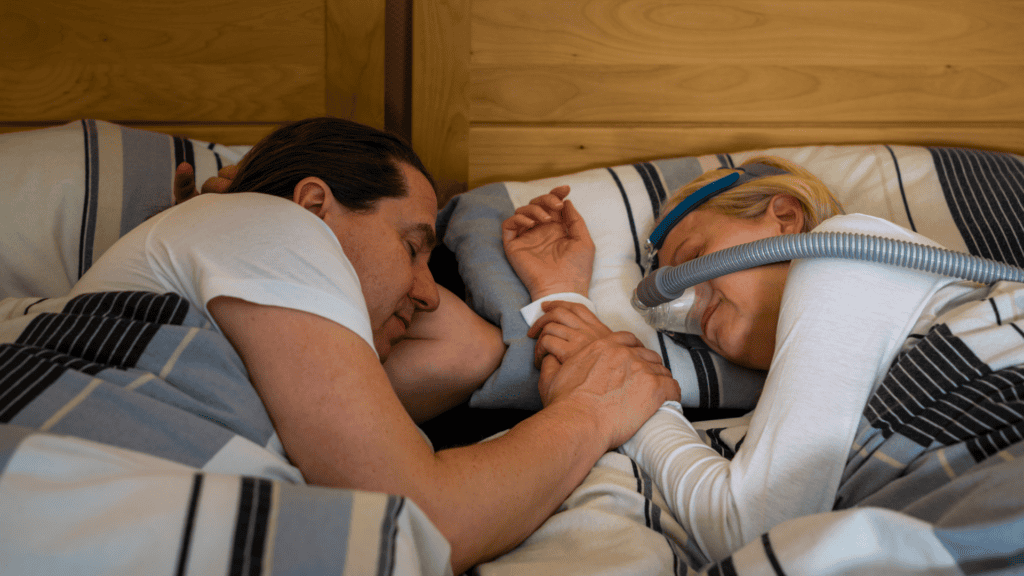
If your CPAP machine has started whistling, it can disrupt your sleep and affect the quality of your continuous positive airway pressure (CPAP) treatment for obstructive sleep apnea. Whistling sounds usually indicate an issue with the machine or its components. This guide explains why your CPAP machine might whistle and offers actionable solutions to restore quiet and effective therapy.
Understanding Why CPAP Machines Whistle: The Key to Empowerment Common Causes of CPAP Whistling Noise
Whistling sounds often stem from air leaks or misaligned components. A poorly fitting CPAP mask, a CPAP hose with small cracks, or a loose hose connection can create these noises.
How Whistling Impacts Therapy
A whistling CPAP machine can compromise airflow due to leaking air, making treatment less effective. Poor sleep quality and therapy interruptions may follow.
Why Timely Action Matters
Ignoring the issue can worsen it. Address whistling noises quickly to maintain effective therapy and avoid long-term complications.
Examining CPAP Components for Issues
Checking the Mask and Seal
The mask plays a critical role in therapy. If the seal becomes loose or damaged, it might make whistling sounds. Check for signs of wear and ensure the mask fits properly. If adjustments fail to eliminate whistling sounds, it may be necessary to find a new mask.
Inspecting the Hose and Connections
Tiny cracks, holes, or loose connections in the hose can lead to leaking air, creating a whistling noise. Examine the hose closely for any visible damage.
Assessing the Filter
A clogged or dirty filter may restrict airflow, leading to unusual sounds. Replace filters regularly to ensure your CPAP operates smoothly.
Environmental Factors That Cause Whistling
Room Humidity Levels
Low humidity can dry out your machine’s components, increasing noise by affecting the pressurized air flow. Use a humidifier to maintain optimal moisture levels in the air.
Machine Placement and Airflow
Placing your CPAP machine near walls or obstructing vents can restrict airflow and cause a whining noise or whistling. Keep it in a well-ventilated area.
Temperature Changes
Sudden shifts in room temperature might cause condensation in the hose, leading to noises. Consider using a heated hose to prevent this issue.
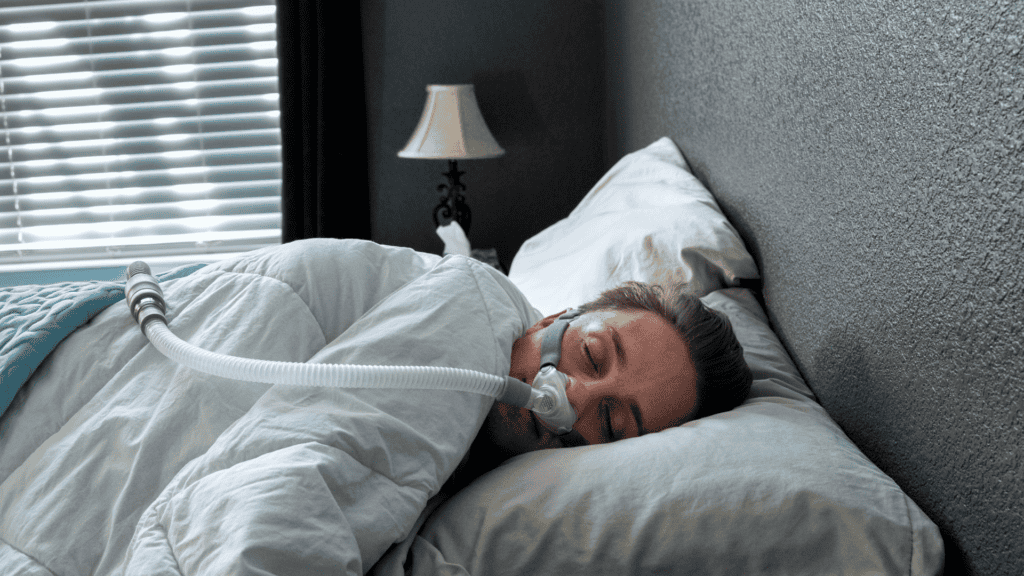
Troubleshooting and Fixing Whistling Sounds
Adjusting the Mask Fit
Ensure the mask fits snugly without gaps to minimize the whistling sound that can occur from air leaks. Over-tightening can cause discomfort, so aim for a balanced fit that prevents air leaks.
Replacing Worn-Out Parts
Regular use can wear out masks, hoses, and filters. Replace these components as your provider recommends to prevent noise and maintain efficiency. If the mask is worn out, it may be necessary to find a new mask.
Cleaning and Maintenance
Dirt and debris buildup can interfere with airflow and create noise. Regularly clean your CPAP machine, mask, and hose with warm, soapy water or CPAP-specific cleaning products.
Preventing Future Whistling Issues
Routine Maintenance Practices
Follow a consistent cleaning and inspection schedule. This proactive approach helps you spot potential issues before they escalate.
Upgrading to Quieter Equipment
Modern CPAP machines feature noise-reducing technologies. Consider upgrading if your current machine frequently whistles or vibrates, as new equipment can offer better pressure settings for more effective treatment.
When to Seek Professional Help: Taking Control of Your CPAP
Experiencing persistent whistling might indicate a more complex issue. For professional assistance, contact a sleep specialist or CPAP supplier. Noise from CPAP machines can affect both the user and their bed partner, making it crucial to address any sound issues to ensure a peaceful night’s sleep for both individuals.
Key Takeaways
- CPAP machine whistling often results from air leaks, damaged parts, or environmental factors.
- Regular maintenance, such as cleaning and replacing worn parts, minimizes noise.
- Addressing the issue quickly ensures your CPAP therapy remains effective.
Conclusion
A whistling CPAP machine doesn’t have to ruin your sleep or therapy. Identifying the cause and taking corrective action restores peace and ensures effective treatment. Addressing whistling can also help stop snoring and improve sleep quality.
If you’re still facing issues or want expert guidance on managing your CPAP machine, we’re here to help. Schedule an appointment with Enticare today for personalized advice and solutions.