
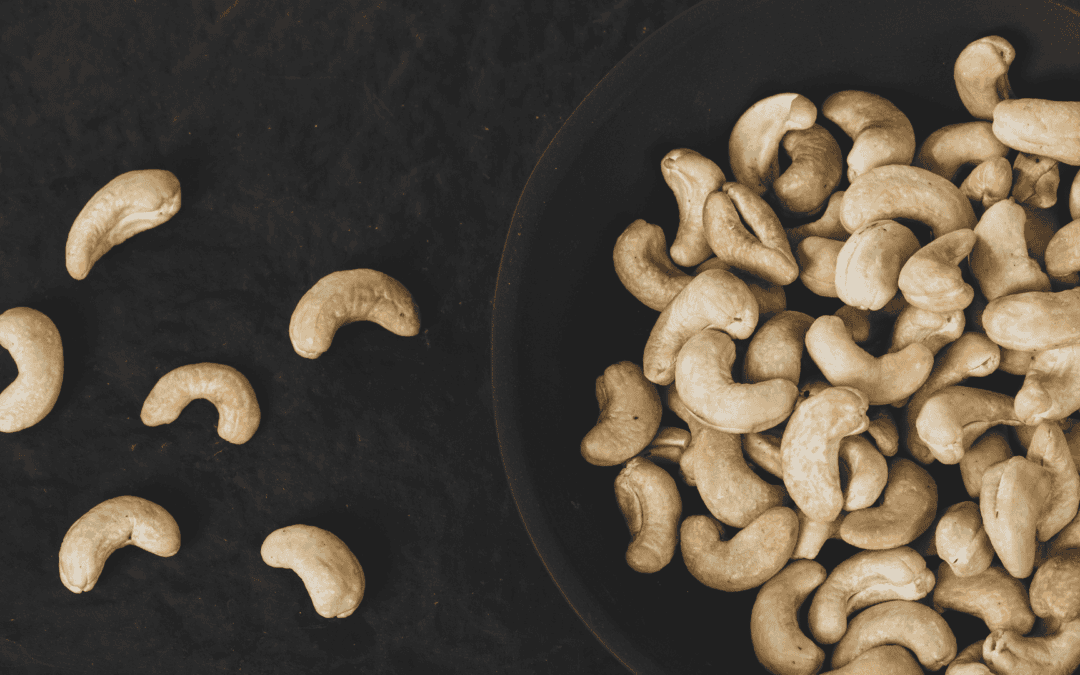
Nuts Cashew: Essential Benefits and Culinary Uses You Should Know
Cashew nuts have become a staple in many households with their rich flavor and versatility. Beyond their delightful taste, cashews offer numerous health benefits and can enhance various dishes. Let’s explore the essential advantages and culinary uses of cashew nuts that you should know.
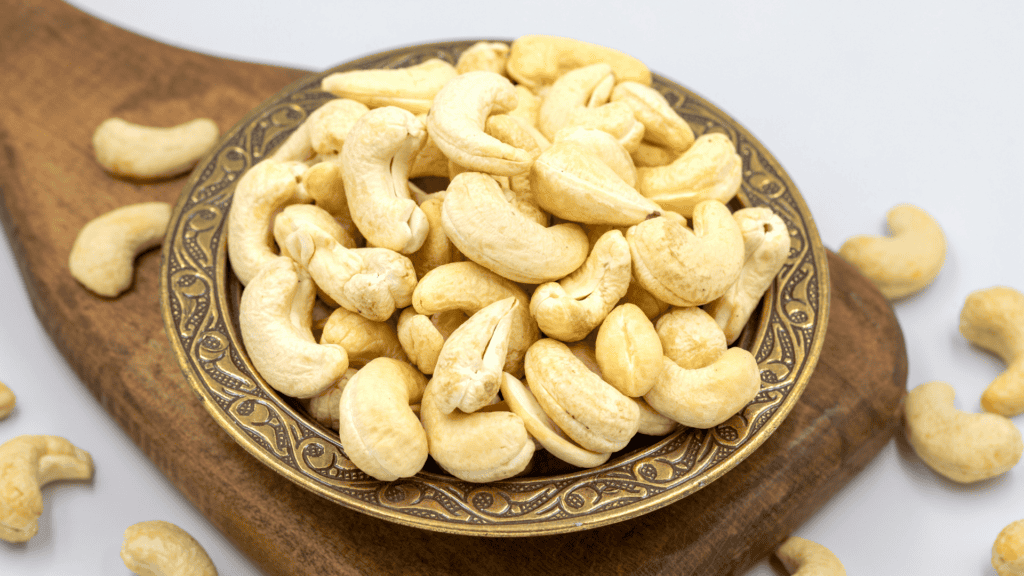
Nutritional Profile of Nuts: Cashew
Cashews are tasty and packed with essential nutrients that contribute to overall health. Cashews are actually seeds that grow inside the cashew fruit.
Rich in Healthy Fats
Cashews contain monounsaturated and polyunsaturated fats, which are beneficial for heart health. These healthy fats can help reduce harmful cholesterol levels, lowering the risk of heart disease.
High in Protein
A single ounce of cashews provides about 5 grams of protein, making them an excellent plant-based protein source. Including cashews in your diet can support muscle growth and repair.
Packed with Vitamins and Minerals
Cashews are rich in essential nutrients like copper, magnesium, and vitamin K. Copper aids in iron absorption, supports nerve function, and is crucial for blood clotting.
Health Benefits of Cashew Nuts
Incorporating cashews into your diet can lead to several health advantages. Raw cashews, steam-treated to remove their hard shell, offer additional nutritional benefits compared to roasted varieties.
Heart Health
Regular consumption of cashews may help lower cholesterol levels and reduce the risk of cardiovascular diseases. The presence of healthy fats and antioxidants in cashews supports heart health.
Weight Management
Despite being calorie-dense, cashews can aid in weight management. Their combination of protein and fiber promotes a feeling of fullness, helping to control appetite and reduce overall calorie intake.
Bone Health
Cashews are a good source of magnesium, which plays a vital role in bone formation. Adequate magnesium intake is associated with increased bone density and a lower risk of osteoporosis.
Culinary Uses of Cashew Nuts
Cashews’ creamy texture and mild flavor make them a versatile ingredient in various cuisines. They can be incorporated into different foods, including granola and trail mix, emphasizing their appeal in healthy snacks and recipes.
Dairy-Free Alternatives
Vegans and those with lactose intolerance often use cashews to create dairy-free milk, cheese, and cream. Blending soaked cashews with water produces a creamy base suitable for various recipes.
Enhancing Savory Dishes
In many Asian cuisines, cashews add a satisfying crunch and richness to stir-fries, curries, and salads. Their subtle sweetness complements spicy and savory flavors, enhancing the dish’s overall taste.
Baking and Desserts
Cashews can be incorporated into baked goods and desserts, providing a nutty flavor and creamy consistency. They are often used in energy bars and cookies and as a base for raw vegan cheesecakes.
How to Incorporate Cashews into Your Diet
Adding cashews to your daily meals can be both enjoyable and beneficial. Various brands offer products like cashew butter and milk, which provide nutritional benefits and versatility in cooking and snacking.
As a Snack
Enjoy a few raw or roasted cashews as a quick, nutritious snack. Opt for unsalted varieties to keep sodium intake in check.
In Smoothies
Blend cashews into your morning smoothie for added creaminess and a protein boost. They pair well with fruits like bananas and berries.
In Sauces and Dressings
Blending cashews with herbs, spices, and a bit of water or broth creates rich, creamy sauces and dressings. This can serve as a healthy alternative to dairy-based sauces.
Potential Allergies and Considerations
While cashews offer numerous benefits, it is essential to be aware of potential allergies and consumption considerations. The toxic oil found in raw cashew shells can cause blisters on the skin, similar to those caused by poison ivy.
Allergic Reactions
Some individuals may experience allergic reactions to cashews, ranging from mild to severe. Symptoms can include itching, swelling, and difficulty breathing. If you suspect a cashew allergy, consult with a healthcare professional.
Oxalate Content
Cashews contain oxalates, which can contribute to kidney stone formation in susceptible individuals. If you are prone to kidney stones, moderate your intake.
Portion Control
Due to their high-calorie content, consuming cashews in moderation is essential, especially if you monitor your weight. Stick to a small handful per serving to enjoy their benefits without excessive calorie intake.
Key Takeaways:
- Cashews are nutrient-dense nuts rich in healthy fats, protein, vitamins, and minerals.
- Regular consumption supports heart, bone, and weight management health.
- Their versatility allows various culinary applications, from dairy-free alternatives to enhancing savory dishes.
- Be mindful of potential allergies and consume in moderation due to their high-calorie content.
Incorporating cashew nuts into your diet can offer numerous health benefits and elevate your culinary creations. However, it’s essential to be aware of potential allergies and consume them in moderation. If you have concerns about nut allergies or dietary considerations, it’s advisable to consult with a healthcare professional. For personalized advice and to address any allergy-related questions, consider scheduling an appointment with our specialists. Visit Enticare Allergy Services to learn more, and book your consultation today.