

Essential Seed Allergy Foods to Avoid for Your Health and Safety
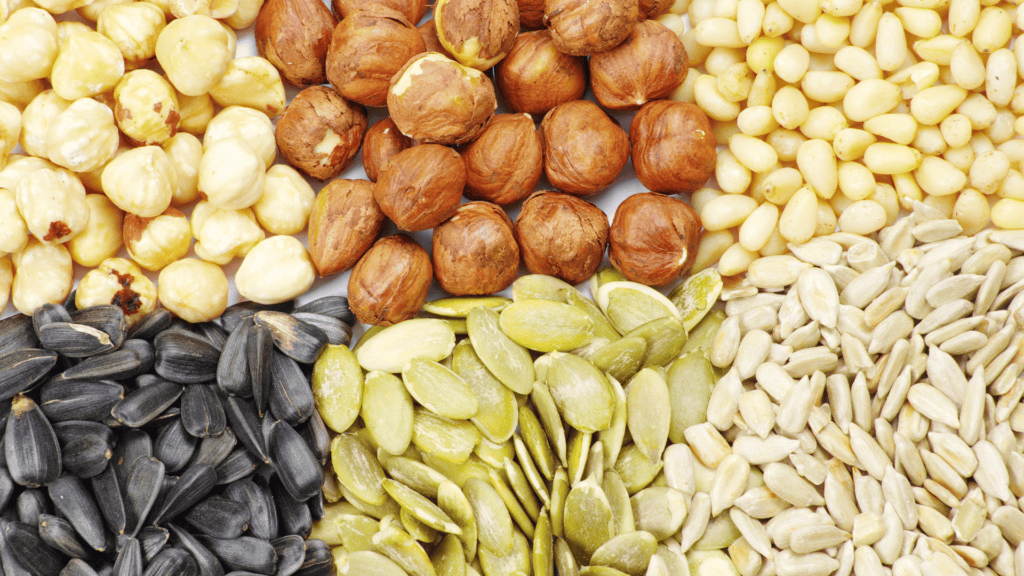
Seed allergies can pose serious health risks, making it crucial to know which seeds and seed-containing foods to avoid. This guide will help you identify common seed allergens, recognize hidden sources, and provide practical tips to manage your diet safely.
Understanding Seed Allergies
Seed allergies are food allergies that occur when the body’s immune system mistakenly identifies specific seed proteins as harmful, triggering an allergic reaction. These reactions can range from mild symptoms to severe, life-threatening conditions like anaphylaxis.
Common Seed Allergens
Several seeds are known to cause allergic reactions. Being aware of these can help you make safer food choices.
Sesame Seeds
- Prevalence: Sesame seed allergy is increasingly common and can cause severe reactions. Sesame is recognized as a major food allergen in the U.S. In some cases, individuals allergic to sesame may also be allergic to peanuts and tree nuts.
- Symptoms: Reactions can include hives, swelling, and, in severe cases, anaphylaxis.
- Foods to Avoid: Sesame seeds are found in products like hummus, sesame bagels, crackers, and various ethnic cuisines.
Sunflower Seeds
- Prevalence: While less common, sunflower seed allergies can cause severe reactions, including anaphylaxis. Sunflower seeds are among the various food allergens that can cause severe reactions.
- Symptoms: Symptoms may include hives, swelling, and difficulty breathing.
- Foods to Avoid: Sunflower seeds are often found in bakery products, granola bars, and salad toppings.
Poppy Seeds
- Prevalence: Poppy seed allergies are rare but can lead to severe allergic reactions.
- Symptoms: Reactions can range from mild skin irritations to severe anaphylactic responses.
- Foods to Avoid: Poppy seeds are commonly used in baked goods like muffins, bagels, and salad dressings.
Mustard Seeds
- Prevalence: Mustard seed allergy is essential to understanding other plants within the Brassicaceae family.
- Symptoms: Symptoms can include hives, swelling, and anaphylaxis.
- Foods to Avoid: Avoid mustard-based condiments and certain processed foods.
Hidden Sources of Seed Allergens
Seeds and their derivatives can be hidden in various foods and products. Identifying these hidden sources is vital for effectively managing allergies.
Processed Foods
- Baked Goods: Many baked items contain seeds or seed oils, even if not visibly apparent.
- Snack Foods: Crackers, chips, and other snacks may include seeds or be processed in facilities that handle seeds.
- Sauces and Dressings: Some sauces and dressings incorporate seed-based ingredients for flavor or consistency.
Ethnic Cuisines
- Asian Cuisine: Dishes often use sesame oil and seeds as flavor enhancers.
- Middle Eastern Cuisine: Foods like tahini and hummus commonly contain sesame seeds.
- Mediterranean Cuisine: Seed-based ingredients are prevalent in various Mediterranean dishes.
Personal Care Products
- Cosmetics: Some cosmetics include seed oils, which can cause reactions upon skin contact.
- Hair Care Products: Certain shampoos and conditioners use seed extracts, posing risks for allergic individuals.
- Topical Medications: Be cautious of topical products that may contain seed derivatives.
Symptoms of a Seed Allergy Reaction
A seed allergy reaction can manifest in various ways, ranging from mild to severe. Common symptoms include hives or itchy skin, swelling of the face, lips, tongue, or throat, stomach cramps, diarrhea, and vomiting. In severe cases, anaphylaxis can occur, which is a life-threatening allergic reaction requiring immediate medical attention.
Anaphylaxis symptoms include difficulty breathing, rapid heartbeat, dizziness or fainting, abdominal cramps, and nausea or vomiting. If you experience these symptoms after consuming seeds or products containing seeds, seek medical attention immediately. Recognizing these signs early can be crucial in managing a seed allergy effectively.
Diagnosing Seed Allergy
Diagnosing a seed allergy typically involves a combination of medical history, physical examination, and diagnostic tests. One of the most common methods is the skin prick test, in which a small amount of the suspected allergen is placed on the skin and pricked with a small needle. If a reaction occurs, it may indicate an allergy.
Blood tests are another diagnostic tool that measures the levels of allergy-related antibodies in the blood. An oral food challenge may also be conducted, in which the patient consumes small amounts of the suspected allergen under medical supervision. A healthcare professional will interpret the results of these tests to determine whether a seed allergy is present, ensuring an accurate diagnosis and appropriate management.
Seed Allergy Treatment
While there is no cure for seed allergies, several treatments can help manage symptoms and prevent severe reactions. The primary approach is strict avoidance of allergenic food. If accidental exposure occurs, medications such as antihistamines or corticosteroids may be prescribed to alleviate symptoms.
An epinephrine auto-injector, like an EpiPen, is essential for those at risk of severe reactions. This device can treat anaphylaxis in emergency situations, providing a critical lifeline. It’s important to always carry an epinephrine auto-injector and educate close contacts on its use.
Cross-Reactivity with Other Seeds
Some seed proteins are shared across different types of seeds, leading to potential cross-reactivity. For instance, individuals allergic to poppy seeds, sesame seeds, mustard seeds, or sunflower seeds may experience reactions to multiple seeds. However, it’s essential to undergo allergy testing to determine specific sensitivities. Understanding cross-reactivity can help manage your diet and avoid unexpected allergic reactions.
Seed Allergy and Anaphylaxis
Anaphylaxis is a severe, life-threatening allergic reaction that requires immediate medical attention. Symptoms include difficulty breathing, swelling of the face, lips, tongue, or throat, abdominal cramps, nausea or vomiting, rapid heartbeat, and dizziness or fainting. If you experience any of these symptoms, call emergency services or seek medical attention immediately.
For those with a history of seed allergy, carrying an epinephrine auto-injector is crucial. Inform your healthcare provider and emergency contacts about your allergy to ensure prompt and appropriate care in case of an allergic reaction. Being prepared can make a significant difference in managing severe allergic reactions effectively.
Key Takeaways
- Identify Common Seed Allergens: Be aware of seeds like sesame, sunflower, and poppy that can cause allergic reactions, including poppy seed allergy.
- Recognize Hidden Sources: Seeds can be present in processed foods, ethnic cuisines, and personal care products.
- Read Labels Diligently: Learn to identify various names and derivatives of seeds on ingredient lists.
- Implement Safety Measures: Use safe dining, food preparation, and emergency preparedness to effectively manage seed allergies.
Managing a seed allergy requires vigilance and proactive measures. If you suspect a seed allergy or need assistance managing it, consult a healthcare professional. Consider scheduling an appointment with Enticare Allergy Clinic for personalized guidance and support. You can schedule an appointment here.