
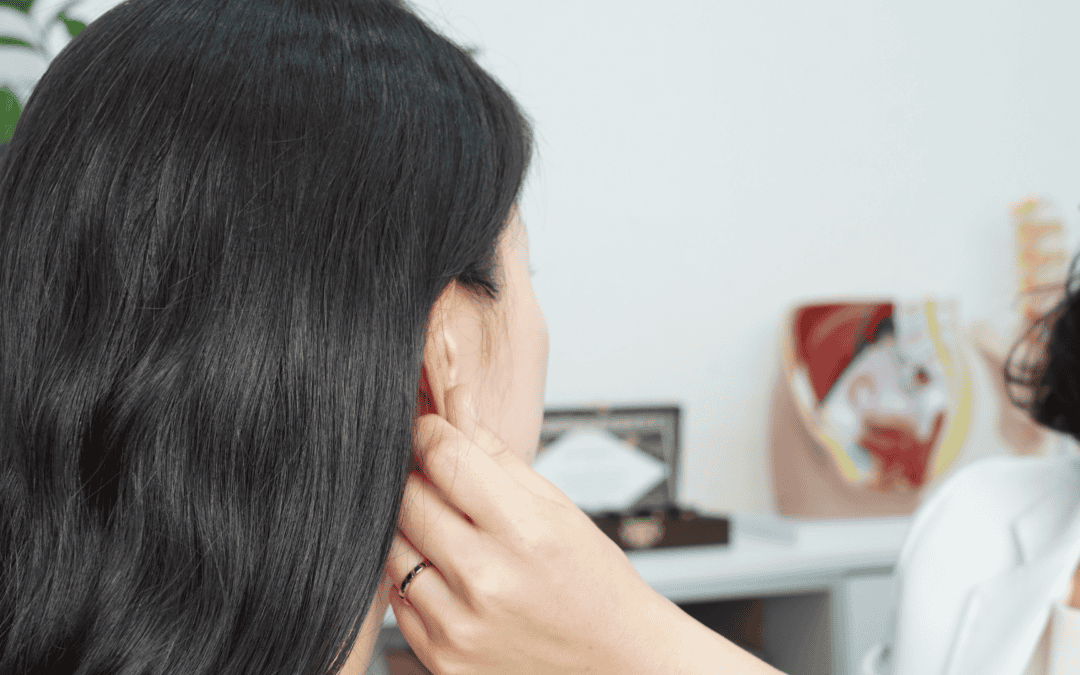
How to Remove Wax in Ear: Effective Tips for Safe and Healthy Ears

Ear wax, or cerumen, plays an essential role in protecting your ears. However, excessive earwax can lead to cerumen impaction, causing blockages that result in discomfort, hearing loss, and even infections. Understanding how to remove ear wax safely ensures your ears stay healthy and free of blockages. This guide provides effective methods, highlights what to avoid, and advises when to seek professional help.
Understanding Ear Wax: What It Is and Why It Matters
Ear Wax’s Protective Role
Ear wax acts as a natural barrier, protecting your ear canal from dust, debris, and harmful microorganisms. It traps particles, preventing them from reaching deeper into the ear.
How Ear Wax Forms
The body produces ear wax in the outer ear canal. Glands secrete a mix of sweat, fatty acids, and dead skin cells, which combine to form cerumen. This sticky substance gradually moves outward, cleaning the ear canal.
Signs of Excessive Ear Wax
While ear wax usually exits the ear naturally, issues arise when excessive earwax builds up, leading to earwax blockage. Symptoms of excessive earwax include ear pain, a feeling of fullness, partial hearing loss, dizziness, and tinnitus (ringing in the ears).
Safe At-Home Methods for Ear Wax Removal
- Ear Drops: Softening the Wax
Over-the-counter ear drops can soften ear wax, making it easier to remove. Drops containing hydrogen peroxide, saline, or carbamide peroxide work effectively. Tilt your head, place the drops in the affected ear, and let them sit for a few minutes before draining.
- Warm Water Irrigation
Using warm water can flush out ear wax gently. Fill a bulb syringe with warm water and carefully irrigate the ear canal. Tilt your head to allow water and wax to flow out. Repeat as needed, but do not forcefully squirt water, as it can damage the eardrum.
- Mineral or Olive Oil
A few drops of mineral or olive oil can help soften hardened ear wax. Tilt your head, drop the oil into your ear, and let it sit for a few minutes. This method lubricates the ear canal, making wax removal smoother and safer by carefully directing the oil near the ear opening.
What Not to Do: Common Mistakes in Ear Wax Removal
Avoid Cotton Swabs
Despite popular belief, using a cotton swab for earwax removal can push earwax deeper into the ear canal, worsening the problem. They may also scratch the delicate skin inside the ear, increasing the risk of infection.
Stay Away from Ear Candling
Ear candles, a method involving a lit, hollow candle placed in the ear, claim to draw out the wax. However, ear candles pose significant risks, including burns, blockages, and ear injuries. Experts, including the FDA, advise against this unsafe practice.
Do Not Use Sharp Objects.
Inserting sharp objects into your ear to remove wax can puncture the eardrum or damage the ear canal. Always use safe, recommended methods or consult a professional for assistance.
When to Seek Professional Help
Signs You Need Medical Assistance
Consult a healthcare provider if at-home methods do not alleviate symptoms or if you experience severe ear pain, persistent hearing loss, or discharge. A professional can examine your ear and suggest appropriate treatments.
Professional Ear Wax Removal Techniques
ENT specialists offer several ear wax removal options, including manual removal using specialized tools, micro-suction (a gentle vacuum), and irrigation. These methods ensure the wax is removed without harming the ear canal.
The Benefits of Seeing a Specialist
Seeing a professional ensures proper care, particularly if you have a history of ear problems, ear surgery, or are prone to infections. Professionals have the expertise and equipment to remove wax safely and effectively.
Preventing Earwax Buildup: Tips for Healthy Ears
Routine Ear Care
Maintaining good ear hygiene prevents earwax buildup. Regularly clean the outer ear with a damp cloth, but avoid inserting anything into the ear canal.
Keep Your Ears Dry
Moisture encourages ear wax production. Dry your ears thoroughly after swimming or showering to prevent wax from hardening and causing blockages.
Regular Check-Ups
Routine ear examinations can detect and address any excess earwax buildup before it becomes problematic. Schedule check-ups, especially if you wear hearing aids or are prone to excessive ear wax.
Conclusion: Get Professional Help for Persistent Ear Wax Issues
Removing ear wax safely is crucial for maintaining healthy ears and avoiding complications. While many at-home methods can help remove earwax, professional intervention may be necessary for persistent or severe cases. If you struggle with ear wax buildup or need expert guidance, don’t hesitate to schedule an appointment with our hearing specialists.
Take control of your ear health today – Schedule your appointment now.