
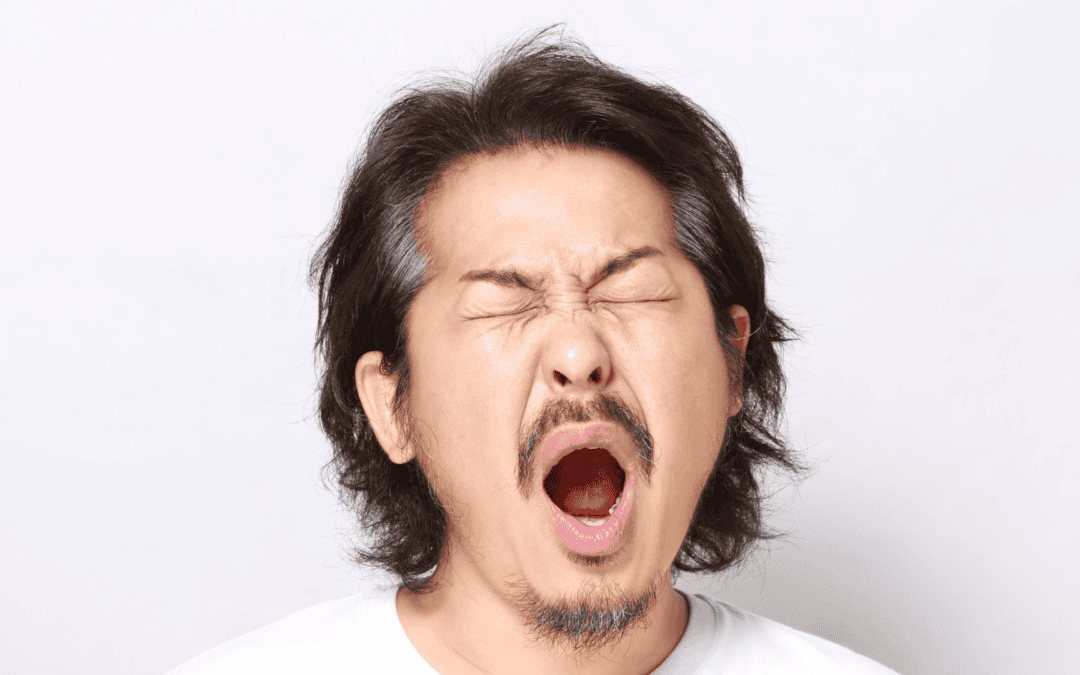
Why Your Ears Ring When You Yawn

Experiencing a ringing sound in your ears when you yawn can be unsettling. Understanding why this happens can help you address any underlying issues and manage this phenomenon more effectively. This comprehensive guide delves into the reasons behind ear ringing during yawning, explores its implications, and offers practical advice for managing and alleviating the condition.
The Connection Between Yawning and Ear Ringing
Understanding the Yawn Reflex
Yawning is a common reflex that involves the opening of the mouth and a deep inhalation of air. This action stretches the muscles around the jaw and face, including those connected to the inner ear’s Eustachian tubes. This connection can cause changes in ear pressure, which may lead to a ringing sensation.
Role of the Eustachian Tubes in the Middle Ear
The Eustachian tubes connect the middle ears to the back of the throat. They help equalize pressure in the middle ear. The Eustachian tubes also help protect the ear from loud sounds by regulating pressure. When you yawn, the muscles around these tubes contract and expand, which can temporarily alter the pressure in the middle ear. This pressure change may cause a brief ringing or buzzing sound.
Pressure Equalization and Pulsatile Tinnitus
When you yawn, the pressure in the middle ear adjusts to match the external pressure. If the pressure change is sudden or significant, it can trigger a temporary tinnitus sensation. This sensation usually resolves quickly once the pressure equalizes.
Common Causes of Ear Ringing During Yawning, Including Ear Infection
- Normal Pressure Changes: In most cases, the ringing sound you hear when yawning is a normal response to pressure changes in the ear. This sound is usually brief and disappears once the pressure stabilizes. It’s a common experience and generally not a cause for concern. Additionally, you may hear crackling sounds or popping noises as the eustachian tube opens to equalize pressure. Tinnitus can take a few forms, including those caused by earwax buildup.
- Eustachian Tube Dysfunction: If the Eustachian tubes are blocked or not functioning properly, yawning can cause more noticeable ear ringing. Eustachian tube dysfunction can result from allergies, colds, or sinus infections, leading to difficulty in pressure equalization. This blockage can also increase the risk of ear infections, particularly in young children due to their shorter eustachian tubes. Exposure to loud noise can also lead to ear ringing due to the body’s protective mechanisms.
- Hearing Loss and Tinnitus: Persistent ear ringing during yawning can sometimes be a symptom of underlying hearing issues or chronic tinnitus. You might also hear buzzing sounds as a symptom. If you experience frequent or prolonged ringing, it’s important to consult a healthcare provider to rule out more serious conditions. Exposure to loud sounds can cause temporary auditory effects, such as ringing or buzzing in the ears.
- Ear Infection: An ear infection can impact hearing and cause sensations within the ear, such as pain and sensitivity. It can also lead to alterations in auditory perception. Treatment options include antibiotics, and it’s crucial to address symptoms early to prevent complications.
Diagnosing the Cause of Ear Ringing
- Consultation with an ENT Specialist: An ENT (ear, nose, and throat) specialist can help diagnose the cause of ear ringing when you yawn. They will conduct a thorough examination of your ears, nose, and throat, and may perform tests to assess Eustachian tube function and overall ear health. Additionally, they may evaluate the role of hearing aids in diagnosing and managing auditory disturbances.
- Hearing Tests: Audiometric tests can help determine if there is any hearing loss or tinnitus contributing to the ringing sound. These tests measure your hearing sensitivity and can identify any abnormalities that may be affecting your auditory experience. It is crucial to identify the causes when you hear noises such as buzzing, ringing, or rumbling, to provide appropriate treatment.
- Allergy and Sinus Evaluation: Since allergies and sinus infections can affect Eustachian tube function, your healthcare provider may evaluate you for these conditions. Identifying and treating underlying allergies or infections can alleviate ear ringing during yawning.
Managing and Treating Ear Ringing During Yawning and Hearing Loss
- Treating Eustachian Tube Dysfunction: If Eustachian tube dysfunction is identified, your healthcare provider may recommend treatments such as nasal decongestants or steroid nasal sprays to reduce inflammation and improve tube function. In some cases, simple maneuvers like the Valsalva maneuver can help equalize ear pressure. Additionally, if you experience crackling noises in your ears, it may be a symptom that requires medical consultation.
- Managing Allergies and Sinus Issues: If allergies or sinus problems are contributing to ear ringing, addressing these issues can help. Allergy medications, nasal saline rinses, and avoiding known allergens can reduce inflammation and improve Eustachian tube function.
- Regular Ear Care and Maintenance: Maintaining good ear health is essential. Avoid inserting objects into your ears, and keep your ears dry and clean. Regular check-ups with an ENT specialist can help monitor and manage any persistent issues.
- Managing and Treating Ear Ringing During Yawning
- Pulsatile Tinnitus Pulsatile tinnitus is a condition where you may hear a heartbeat in your ears, especially during times of elevated heart rate. This form of tinnitus can sometimes be heard by others, such as a hearing expert. While it can be normal during certain activities, persistent cases should prompt a visit to a doctor as it may indicate underlying health issues.
Preventing Ear Ringing During Yawning
- Maintaining Nasal Health: Keeping your nasal passages clear and healthy can prevent issues with the Eustachian tubes. Use saline sprays or a humidifier to keep your nasal passages hydrated, especially during cold or allergy seasons.
- Avoiding Rapid Pressure Changes: If you are prone to ear ringing, try to avoid situations that cause rapid pressure changes, such as flying or diving. If you must engage in such activities, use techniques to equalize ear pressure, such as swallowing or yawning frequently.
- Regular Medical Check-Ups: Routine check-ups with an ENT specialist can help detect and address any ear-related issues before they become more serious. Early intervention can prevent or minimize symptoms like ear ringing during yawning.
Conclusion
Experiencing ear ringing when you yawn can be a temporary and common occurrence, often related to pressure changes in the inner ear. Understanding the underlying causes, diagnosing potential issues, and managing symptoms effectively can help alleviate this phenomenon.
If you’re experiencing persistent ear ringing or have concerns about your ear health, don’t wait. Schedule an appointment with our specialists at Enticare today. Our experts will help you identify the cause and find the right treatment to improve your auditory well-being. Take the first step towards relief and better ear health now!