
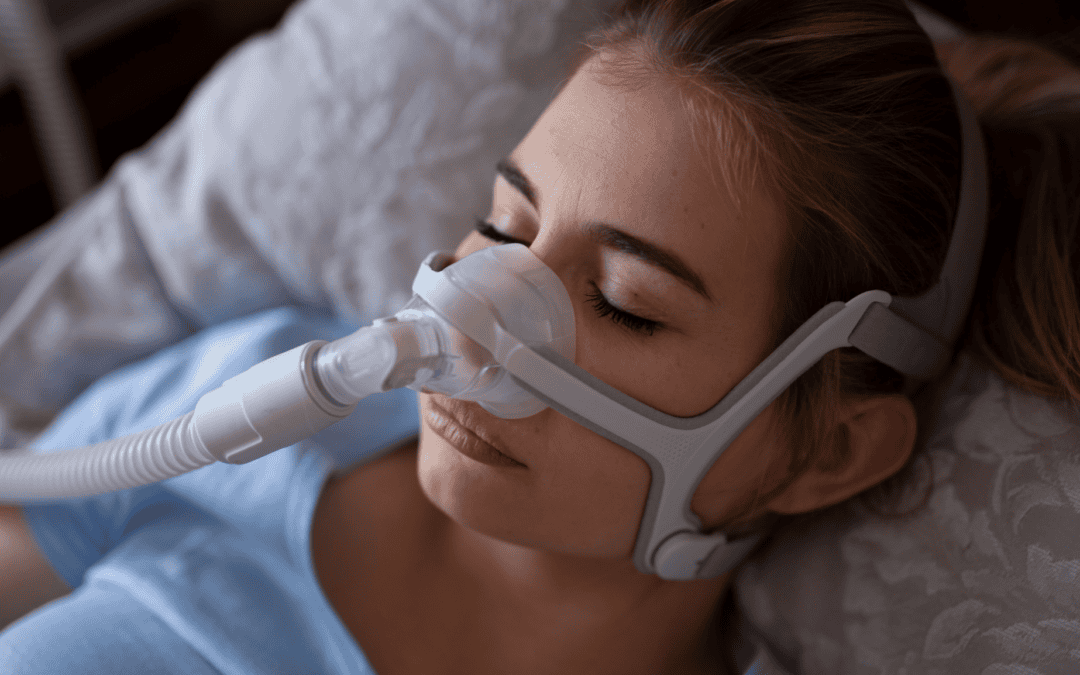
Unveiling the Mystery: What Your CPAP Mask Cushion is Made Of

Living with sleep apnea often means relying on CPAP therapy for a good night’s sleep. While the machine itself plays a crucial role, the CPAP mask is your direct line to comfort and successful treatment. A key component of the mask is the cushion, the soft material that creates a seal around your nose or face. But have you ever wondered, “What is my CPAP mask cushion made of?” This seemingly simple question can have a significant impact on your sleep experience.
The Material Matters for Comfort and Seal
The material of your CPAP mask cushion plays a critical role in two key aspects of your therapy: comfort and seal.
- Comfort: Throughout the night, the CPAP mask cushion rests against your skin. Choosing the right material ensures a gentle touch that minimizes irritation and pressure points. A comfortable cushion allows you to sleep soundly without constant readjustments or waking up with a sore face.
- Seal: For optimal CPAP therapy, creating a proper seal around your nose or face is essential. The right cushion material will conform to your facial features, preventing leaks that can disrupt your sleep and reduce the effectiveness of the treatment.
Exploring Common CPAP Mask Cushion Materials
The two most prevalent materials used in CPAP mask cushions are silicone and memory foam. Let’s delve into the pros and cons of each:
- Pros: Silicone is a hypoallergenic material, making it a great choice for most users. It’s also durable, easy to clean, and maintains its shape over time. Silicone cushions are often transparent, allowing for a sleek and unobtrusive look.
- Cons: Some users might find silicone to be a bit rigid, especially during initial use. It may not conform as readily to certain facial features, potentially leading to leaks.
- Pros: Memory foam offers a soft and conforming feel, adapting to the unique contours of your face. This can significantly improve comfort and reduce pressure points. Memory foam cushions are ideal for individuals with sensitive skin or those who experience discomfort with silicone.
- Cons: Memory foam may not be as durable as silicone and might require more frequent replacements. It can also be slightly trickier to clean and may trap moisture if not dried properly.
Choosing the Right Cushion for You
Knowing the benefits and drawbacks of silicone and memory foam allows you to make an informed decision about your CPAP mask cushion. Here are some additional factors to consider:
- Skin sensitivity: If you have sensitive skin or allergies to silicone, a memory foam cushion might be a better choice.
- Facial features: Individuals with a flat or broad nose might benefit from a more conforming memory foam cushion.
- Personal preference: Ultimately, comfort is subjective. Try different materials to see what feels best for you.
Resources to Help You Find the Perfect Fit
Here are some resources to help you navigate the world of CPAP mask cushions:
- Consult your sleep doctor: They can assess your needs and recommend the most suitable cushion material.
- CPAP equipment providers: These specialists can offer guidance and allow you to try different mask cushions before purchasing one.
- Manufacturer websites: Most CPAP machine manufacturers offer replacement cushions and detailed information about their compatibility with different mask models.
Remember, a comfortable and effective CPAP experience starts with the right mask and cushion. Don’t hesitate to reach out to healthcare professionals or equipment providers for personalized advice. Additionally, explore online resources and consider trying out different cushion types to find the perfect fit for a restful night’s sleep.
By understanding the materials used in CPAP mask cushions and making an informed choice, you can optimize your sleep therapy and experience the benefits of a good night’s rest. And if you have any questions, don’t hesitate to contact Enticare or call us at 480-214-9000, our expert team is here to assist you every step of the way.