

Does Insurance Cover Hearing Aids?
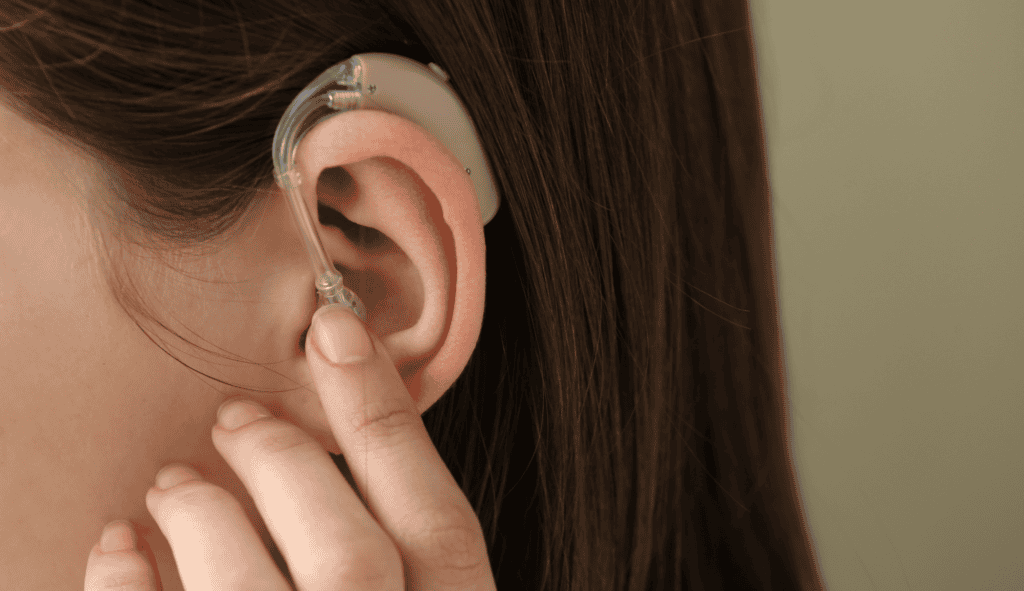
Hearing aids can significantly improve the quality of life for individuals with hearing loss. However, the cost of these devices can be a barrier for many. Understanding whether insurance covers hearing aids, including the various aid coverage options provided by programs like TRICARE, the VA, and union plans, is crucial for making informed decisions about your hearing health. This blog will explore various aspects of insurance coverage for hearing aids, providing a comprehensive guide to help you navigate this important issue.
Introduction to Hearing Aid Coverage Insurance
Understanding the Basics
- What Hearing Aids Do: Hearing aids amplify sound to help individuals with hearing loss hear more clearly. Certain hearing aids, such as completely-in-the-canal (CIC) and receiver-in-canal (RIC) models, are designed to fit within or connect to the ear canal for optimal performance and discretion.
- Cost of Hearing Aids: The price of hearing aids can range from a few hundred to several thousand dollars.
- Insurance Relevance: Many people wonder if their health insurance can help offset these costs.
Importance of Coverage
- Financial Relief: Insurance coverage can significantly reduce out-of-pocket expenses. Some states mandate health insurance companies to offer full or partial coverage for hearing aids for both children and adults.
- Access to Technology: Coverage can provide access to advanced hearing aid technologies that might otherwise be unaffordable.
- Improved Quality of Life: Better hearing aids can lead to enhanced communication and overall quality of life.
Common Questions
What is typically covered?: Many insurers have specific policies regarding what types of hearing aids they cover. For example, the hearing aid benefit offered by Kaiser Permanente includes a credit per ear every 36 months in certain areas.
How to verify coverage?: Contacting your insurance provider can clarify what your policy includes.
Types of Insurance That May Cover Hearing Aids
Private Health Insurance
- Employer-Sponsored Plans: Some employer-sponsored health plans offer partial or full coverage for hearing aids. Different employers, especially large corporations and government jobs, may offer varying levels of hearing aid benefits, including financial assistance and additional support through human resources departments.
- Individual Plans: Coverage varies widely, so it is important to check the specifics of your individual plan.
- Supplemental Insurance: Additional insurance policies specifically for hearing aids can be purchased.
Medicare and Medicaid
- Medicare: Traditional Medicare does not cover hearing aids. Original Medicare typically does not cover new hearing aids or fittings, while some Medicare Advantage plans might offer additional benefits that include hearing aids and related services.
- Medicaid: Medicaid coverage for hearing aids varies by state, with some states offering comprehensive coverage.
Other Insurance Options
- Veterans Benefits: The Department of Veterans Affairs (VA) often provides hearing aids to eligible veterans. Hearing aid coverage can differ significantly based on the provider, geographical location, and specific legislative mandates, with examples including TRICARE and state mandates that offer varying benefits and conditions for assistance.
- Workers’ Compensation: In cases where hearing loss is work-related, workers’ compensation may cover hearing aids.
Steps to Determine Your Insurance Coverage
Reviewing Your Policy
- Read Your Insurance Plan: Review the specific language regarding hearing aids in your policy. It is important to consult with a hearing care professional to conduct a hearing test, which is critical for assessing hearing issues and selecting appropriate hearing aids.
- Look for Key Terms: Search for terms like “durable medical equipment,” “audiology services,” and “hearing aids.”
Contacting Your Insurer
- Ask Specific Questions: Inquire about coverage details, such as copayments, deductibles, and out-of-pocket maximums.
- Document Conversations: Keep a record of who you spoke with and what information was provided.
Getting a Professional Assessment
- Consult an Audiologist: A hearing assessment from a professional can determine your specific needs.
- Request Documentation: Obtain documentation from your audiologist to submit to your insurance company if required.
Financial Assistance and Alternatives
Payment Plans and Financing
Manufacturer Financing: Many hearing aid manufacturers offer financing options. OTC hearing aids are a cost-efficient and accessible alternative, as they can be purchased without a prescription, making them a convenient option for those with mild to moderate hearing loss.
Third-Party Financing: Healthcare credit companies can provide loans for medical expenses, including hearing aids.
Non-Profit Organizations
Hearing Loss Association of America: This organization offers resources and sometimes financial assistance. Both over-the-counter (OTC) and prescription hearing aids are intended to assist individuals with mild to moderate hearing loss.
Starkey Hearing Foundation: Provides hearing aids to those in need.
Tax Deductions
- Medical Expenses: Hearing aids may be deductible as a medical expense on your tax return.
- Health Savings Accounts (HSAs): Funds from HSAs can be used to pay for hearing aids.
Tips for Maximizing Your Coverage
Timing Your Purchase
Open Enrollment: Consider purchasing hearing aids during your insurance’s open enrollment period to ensure coverage. Advancements in technology have led to the development of new hearing aids that are now more accessible through over-the-counter options, allowing consumers to buy them directly from various retailers without needing a prescription.
Policy Renewal: Review your policy during renewal to understand any changes in coverage.
Utilizing All Resources
- Audiologist’s Advice: Your audiologist can often provide guidance on navigating insurance.
- Insurance Advocates: Some services specialize in helping patients understand and utilize their insurance benefits.
Staying Informed
- Regular Updates: Insurance policies and coverages can change, so stay informed about any updates.
- Advocate for Coverage: If your insurance does not cover hearing aids, consider advocating for better coverage options.
Conclusion
Navigating the complexities of insurance coverage for hearing aids can be challenging, but it is essential for accessing the hearing care you need. By understanding your insurance options, reviewing your policy, and exploring alternative financial assistance, you can make informed decisions about your hearing health.
If you need professional advice or assistance with your hearing health needs, schedule an appointment with us at Enticare. Our experts are here to help you every step of the way.