
Concussion and Hearing Loss: Did Your Concussion Affect Your Hearing?
Concussions, often caused by head trauma and traumatic head injuries, can have a range of consequences. While many people are aware of the cognitive and physical impacts, few realize that brain damage from concussions can also affect hearing. This blog delves into how concussions can impact hearing, the signs and symptoms to watch for, diagnostic methods, treatment options, and prevention strategies.
Understanding Concussions, Traumatic Brain Injury, and Hearing Loss
What is a Concussion?
Definition: A concussion is a mild traumatic brain injury (TBI) caused by a blow or jolt to the head that disrupts normal brain function.
Causes: Common causes include sports injuries, car accidents, falls, and physical assaults.
Symptoms: Symptoms can range from headaches, dizziness, and confusion to more severe issues like memory loss and loss of consciousness, often seen in severe head injuries.
How Concussions Affect Inner Ear and Hearing
Direct Impact: The force of a concussion can directly damage the auditory pathways in the brain, leading to hearing issues. This can include an inner ear injury, which may result in auditory deficits and hearing loss.
Secondary Effects: Swelling, bleeding, or fluid buildup in the brain following a concussion can indirectly affect hearing.
Related Conditions: Conditions like tinnitus (ringing in the ears) and vestibular disorders (affecting balance) often accompany hearing issues post-concussion.
Types of Hearing Loss from Concussions
Sensorineural Hearing Loss: This occurs when the inner ear or the nerve pathways from the inner ear to the brain get damaged.
Conductive Hearing Loss: This happens when sound waves cannot efficiently travel through the outer ear to the eardrum and the tiny bones of the middle ear. Abnormal bone growth, known as heterotopic ossification, can occur in the ear due to brain injuries and lead to this type of hearing loss.
Mixed Hearing Loss: This involves a combination of sensorineural and conductive hearing loss.
Recognizing the Signs and Symptoms
Immediate Symptoms
- Ringing in the Ears (Tinnitus): A common symptom that can occur immediately after a concussion.
- Hearing Loss: Sudden or gradual hearing loss in one or both ears.
- Balance Issues: Dizziness and balance problems often accompany hearing issues due to the close relationship between auditory and vestibular systems. These issues can arise from excess pressure in the inner ear chambers, which affects fluid shifts and impacts both hearing and balance.
Delayed Symptoms
- Difficulty Understanding Speech: Head injury patients, especially those with minor head injuries from road traffic accidents, may develop trouble understanding conversations, particularly in noisy environments, later on.
- Ear Pain or Discomfort: Persistent ear pain or a feeling of fullness in the ears.
- Auditory Processing Issues: Difficulty processing and interpreting sounds, leading to problems with communication and comprehension.
When to Seek Medical Attention
- Persistent Symptoms: If hearing issues or other symptoms persist beyond a few days, consult a healthcare professional.
- Severe Symptoms: Immediate medical attention is necessary for severe symptoms like profound hearing loss, intense headaches, or repeated vomiting. These can be indicative of traumatic brain injuries, which may lead to complex auditory damage.
- Associated Symptoms: Symptoms like vision changes, extreme dizziness, or coordination problems warrant a visit to the doctor.
Diagnosing Hearing Loss Post-Concussion
Medical History and Physical Examination
- Comprehensive History: A thorough medical history helps identify the cause and extent of the hearing loss.
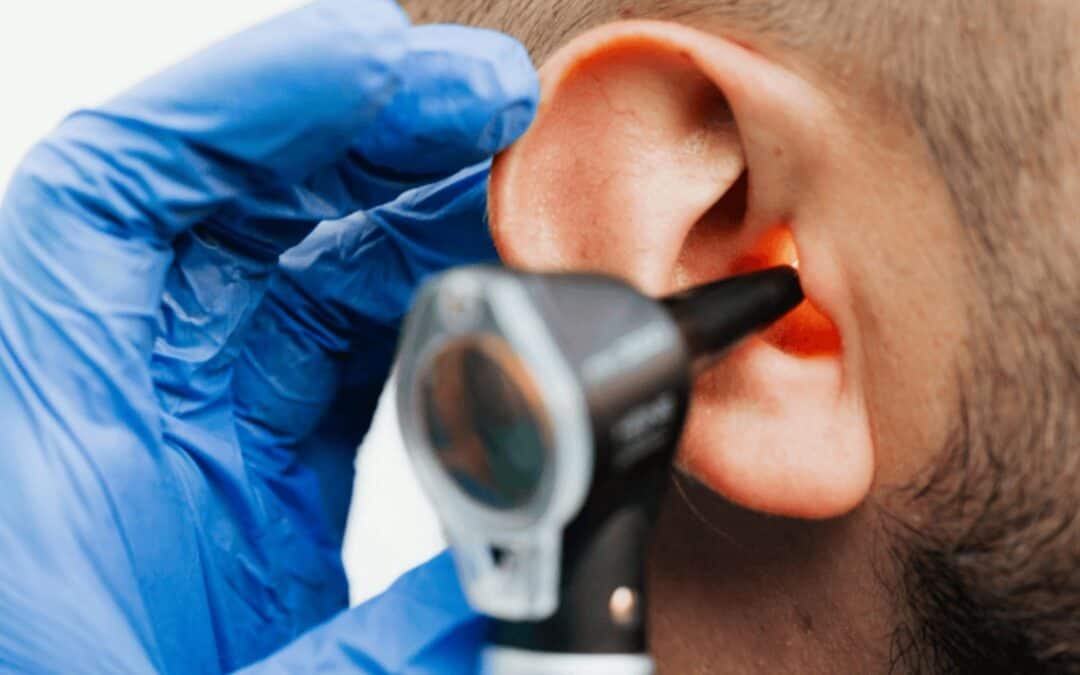
- Physical Exam: A physical examination checks for signs of ear injury, including inner ear injury, or other conditions contributing to hearing loss.
- Neurological Assessment: A neurological exam evaluates the overall function of the nervous system, including auditory pathways.
Audiometric Tests
- Pure Tone Audiometry: This test measures the ability to hear sounds at different pitches and volumes.
- Speech Audiometry: This evaluates how well a person can hear and repeat back words spoken at different volumes. It is crucial for assessing how the brain regions responsible for processing sound, such as the temporal lobe, function in understanding speech, especially after head injuries.
- Impedance Audiometry: This test checks the middle ear’s function and identifies issues like fluid buildup or eardrum perforation.
Advanced Imaging Techniques
- CT Scan: A CT scan provides detailed images of the brain and inner ear structures to identify any abnormalities, including abnormal bone growth that can lead to conductive hearing loss.
- MRI: An MRI can detect soft tissue damage, including issues with the auditory pathways in the brain.
- Electrophysiological Tests: Tests like Auditory Brainstem Response (ABR) measure the brain’s response to sound and help identify nerve pathway issues.
Treatment Options
Immediate Interventions
- Rest and Recovery: Rest is crucial for brain healing after a concussion. Avoid activities that could worsen symptoms.
- Medication: Medications may help manage symptoms like headaches, dizziness, and nausea. For head injury patients, especially those with minor head injuries from road traffic accidents, proper medication management is essential to aid recovery and prevent complications.
- Hydration and Nutrition: Proper hydration and a balanced diet support overall recovery and brain health.
Hearing-Specific Treatments and Hearing Aids
- Hearing Aids: Hearing aids amplify sounds and help those with hearing loss regain some hearing ability.
- Cochlear Implants: For severe hearing loss, cochlear implants provide a more permanent solution by directly stimulating the auditory nerve.
- Tinnitus Management: Sound therapy, counseling, and other treatments can help manage tinnitus symptoms. In cases related to Meniere’s Syndrome, managing excess pressure in the inner ear chambers can alleviate fluid shifts that impact hearing and balance.
Rehabilitation and Therapy
- Auditory Rehabilitation: Auditory rehabilitation programs help individuals adapt to hearing loss and improve their communication skills. These programs are especially crucial for those who have experienced traumatic brain injuries, as such injuries can lead to complex auditory issues like hearing loss, dizziness, and tinnitus. Comprehensive assessments are necessary to understand the extent of ear-related damage post-injury.
- Vestibular Therapy: Vestibular therapy addresses balance issues related to hearing loss.
- Cognitive Behavioral Therapy (CBT): CBT helps manage the psychological impact of hearing loss and improve overall well-being.
Preventing Hearing Loss from Concussions
Safety Measures in Sports
- Wear Protective Gear: Helmets and other protective gear can prevent head injuries during sports activities.
- Follow Safety Rules: Adhering to safety guidelines and rules in sports reduces the risk of head trauma and concussions.
- Educate Athletes: Educating athletes about the risks of concussions and the importance of reporting injuries can prevent long-term issues.
Home Safety Tips
- Prevent Falls: Install handrails, remove tripping hazards, and ensure good lighting to prevent falls at home. Preventing falls is crucial as they can lead to severe head injuries, which may result in permanent cognitive and sensory impairments, or even death.
- Use Safety Equipment: Wear seatbelts in cars and use helmets when riding bikes or motorcycles.
- Childproof the Home: Ensure children’s play areas are safe and free from hazards that could cause head injuries.
Workplace Safety
- Follow Safety Protocols: Adhere to workplace safety protocols, especially in high-risk environments like construction sites.
- Use Protective Gear: Wear appropriate protective gear, including helmets, when working in environments with head injury risks.
- Report Hazards: Report any safety hazards to supervisors to prevent accidents and injuries. This is crucial as head injury patients, particularly those with minor head injuries from incidents like road traffic accidents, often experience hearing loss that can be mitigated with proper hazard management.
Conclusion: Take Action for Your Hearing Health
Concussions can have significant effects on hearing, including the risk of inner ear injury, and early detection and treatment are crucial. If you suspect your concussion has affected your hearing, don’t wait to seek help. Schedule an appointment with our experts at Enticare. Our team provides comprehensive evaluations and personalized treatment plans to address your hearing concerns and ensure optimal recovery.