
How to Protect Hearing Loss: Essential Tips and Strategies
Hearing loss affects millions of people worldwide, yet many of us take our hearing for granted. Protecting your hearing involves understanding the risks, implementing protective measures, and seeking professional advice when necessary. In this blog, we will delve into the importance of hearing protection, effective strategies to prevent hearing loss, and the steps you can take to maintain your hearing health. By the end, you’ll be equipped with the knowledge to protect your hearing and improve your overall quality of life.
Regular hearing exams are crucial, and if you suspect you may have hearing loss, a baseline hearing test is essential for proactive hearing health.
Understanding Hearing Loss
Types of Hearing Loss: Noise Induced Hearing Loss
- Conductive Hearing Loss Conductive hearing loss occurs when sound cannot travel efficiently through the outer ear canal to the eardrum and the tiny bones of the middle ear. Common causes include ear infections, fluid in the middle ear, and earwax blockage.
- Sensorineural Hearing Loss Sensorineural hearing loss results from damage to the inner ear or the nerve pathways from the inner ear to the brain. Aging and prolonged exposure to loud noise often cause this type of hearing loss. Additionally, diabetes can damage the cells in the inner ears, leading to an increased likelihood of hearing loss.
- Mixed Hearing Loss Mixed hearing loss involves a combination of conductive and sensorineural hearing loss. This condition can occur due to multiple factors affecting both the outer/middle ear and the inner ear or nerve pathways.
Causes and Risk Factors
- Exposure to Loud Noises Prolonged exposure to loud noises and loud sounds, such as at concerts, in workplaces, or through headphones, can damage the hair cells in the inner ear, leading to permanent hearing loss. Additionally, exposure to loud noises at work and other common sources like blasts, airplane engines, and loud music can increase the risk of developing noise-induced hearing loss.
- Aging As we age, the structures of the inner ear can deteriorate, leading to age-related hearing loss, also known as presbycusis.
- Genetics Some forms of hearing loss are hereditary. If you have a family history of hearing loss, you may be at a higher risk.
Signs and Symptoms
- Difficulty Understanding Speech Struggling to follow conversations, especially in noisy environments, may indicate hearing loss.
- Frequently Asking for Repetition Regularly asking people to repeat themselves can be a sign of hearing difficulties.
- Ringing in the Ears (Tinnitus) Persistent ringing or buzzing sounds in the ears, known as tinnitus, often accompanies hearing loss. Prolonged use of earplugs can also lead to temporary hearing loss, ear blockage, itching, and tinnitus.
Effective Strategies to Protect Hearing
Limit Exposure to Loud Noises
- Use Ear Protection Wearing earplugs or earmuffs in noisy environments can significantly reduce your risk of hearing damage. This includes at concerts, while using power tools, or during any loud activities. Protecting your hearing from loud sounds and loud noises is crucial to prevent noise-induced hearing loss.
- Lower the Volume Keep the volume at a safe level when using headphones or earphones. The 60/60 rule suggests listening at no more than 60% volume for no longer than 60 minutes at a time.
- Take Breaks Give your ears regular breaks from loud noises. Step away from noisy environments periodically to allow your ears to recover.
Implement Safe Listening Practices
- Use Noise-Canceling Headphones Noise-canceling headphones can help you enjoy music or podcasts at a lower volume by blocking out background noise.
- Follow the 80-90 Rule Listen to music or audio at no more than 80% of maximum volume and for no longer than 90 minutes a day.
- Be Mindful of Your Environment Adjust the volume based on your surroundings. In quieter environments, you can keep the volume lower without sacrificing audio quality.
Maintain Ear Health
- Regular Ear Cleaning Clean your ears gently to avoid earwax buildup, which can cause hearing problems. Use a damp cloth or seek professional cleaning rather than using cotton swabs. Additionally, using earplugs can prevent premature hearing loss and ringing in the ears by reducing noise exposure.
- Avoid Inserting Objects into the Ear Canal Never insert objects like cotton swabs or hairpins into your ears, as this can push earwax deeper and damage the ear canal.
- Stay Hydrated Hydration keeps your body, including your ears, functioning properly. Drink plenty of water to maintain ear health.
When to Seek Professional Help
Regular Hearing Checkups
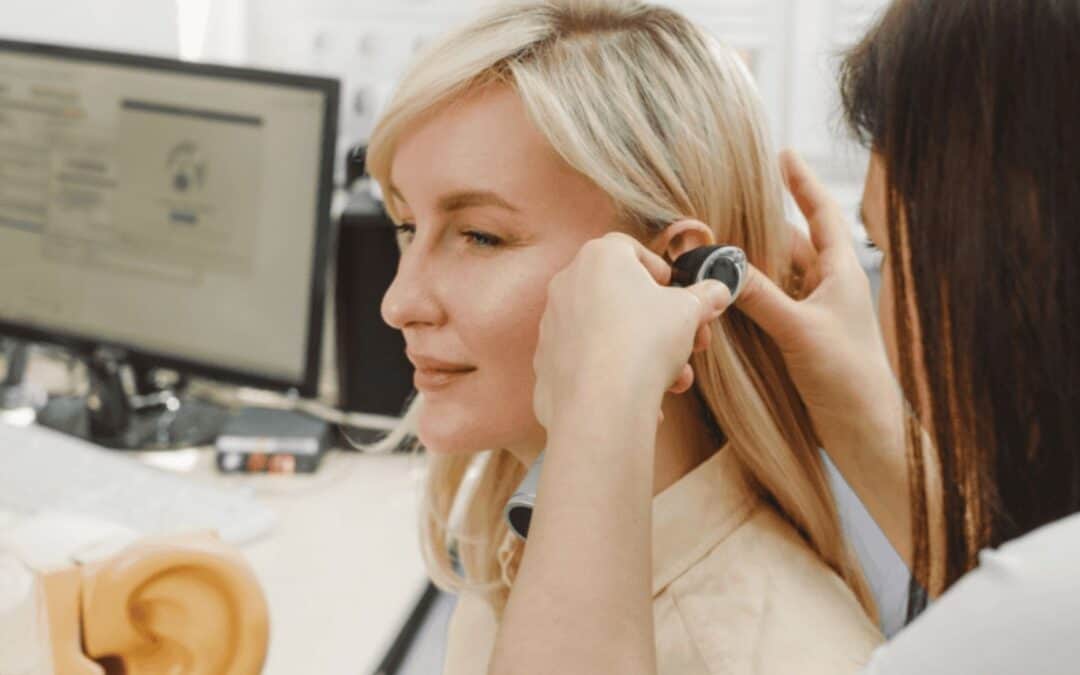
- Annual Hearing Tests Schedule annual hearing tests, especially if you are over 50 or have a high risk of hearing loss. Early detection allows for timely intervention and better management. If you suspect you may have hearing loss, consider getting a baseline hearing test to establish a reference point for future assessments.
- Monitor Changes in Hearing Pay attention to any changes in your hearing and seek professional advice if you notice any decline or persistent issues.
- Consult Specialists An audiologist can provide comprehensive hearing assessments and recommend the best course of action if you experience hearing loss.
Hearing Aids and Assistive Devices
- Hearing Aid Evaluation If diagnosed with hearing loss, an audiologist may recommend hearing aids. Modern hearing aids come in various styles and offer advanced features to enhance hearing.
- Assistive Listening Devices Consider assistive listening devices (ALDs) for specific situations, such as watching TV or conversing in noisy places. ALDs can complement hearing aids and improve your overall hearing experience.
- Hearing Protection Devices Custom-fit earplugs and earmolds offer superior protection in noisy environments. Consult with an audiologist to get devices tailored to your needs.
Adopting a Hearing-Healthy Lifestyle
Healthy Diet and Exercise
- Nutrient-Rich Diet Consume foods rich in vitamins and minerals, such as omega-3 fatty acids, vitamins A, C, and E, and magnesium. These nutrients support overall ear health and may reduce the risk of age-related hearing loss.
- Regular Exercise Exercise improves blood flow to the ears, which can help maintain healthy hearing. Engage in activities like walking, cycling, or yoga to keep your body and ears in good condition.
- Avoid Smoking Smoking reduces blood flow to the ears and can increase the risk of hearing loss. Quitting smoking benefits your overall health and helps protect your hearing.
Stress Management
- Practice Relaxation Techniques Stress and anxiety can contribute to hearing problems like tinnitus. Incorporate relaxation techniques, such as meditation, deep breathing, or yoga, into your daily routine.
- Get Enough Sleep Adequate sleep is essential for overall health, including hearing. Aim for 7-9 hours of sleep per night to allow your body to recover and function optimally.
- Stay Socially Active Engaging in social activities stimulates your brain and helps maintain cognitive functions related to hearing. Stay connected with friends and family to support your hearing health.
Conclusion: Take Action to Protect Your Hearing
Hearing loss prevention requires proactive measures and informed decisions. By understanding the types and causes of hearing loss, limiting exposure to loud noises, implementing safe listening practices, maintaining ear health, seeking professional help, and adopting a hearing-healthy lifestyle, you can protect your hearing for years to come.
If you are concerned about your hearing or want to learn more about protecting your hearing health, schedule an appointment with our specialists today. Visit Enticare to book your consultation and take the first step towards better hearing and a healthier life.