
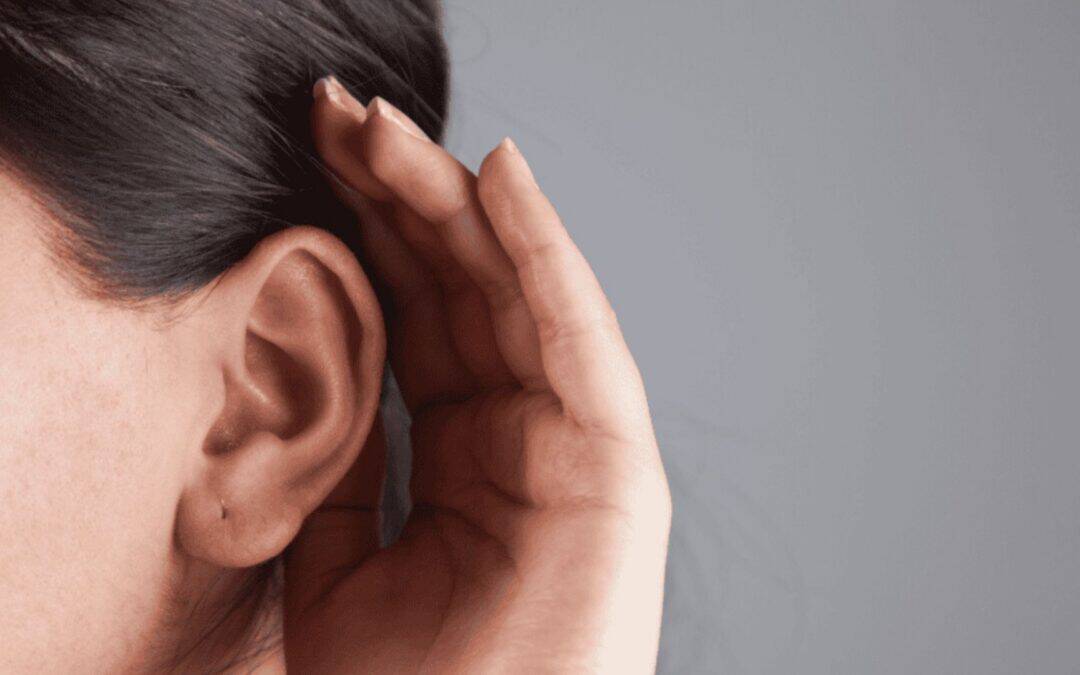
Bilateral Hearing Loss: Causes and Treatment
Hearing loss can significantly impact one’s quality of life, especially when it affects both ears. A professional hearing test is essential for diagnosing bilateral hearing loss and determining the specifics of individual cases. Bilateral hearing loss, where hearing diminishes in both ears, poses unique challenges and requires tailored treatment strategies. Understanding the causes and available treatments for hearing ear can empower individuals to seek appropriate care and improve their hearing health. In this blog, we’ll explore the various aspects of bilateral hearing loss, from its causes to the latest treatment options, helping you make informed decisions about your hearing health.
Understanding Bilateral Hearing Loss
What Is Bilateral Hearing Loss?
- Definition Bilateral hearing loss occurs when both ears experience reduced hearing ability. This type of hearing loss can range from mild to profound, impacting one’s ability to hear sounds clearly and effectively.
- Types There are three main types of bilateral hearing loss:
- Conductive Hearing Loss: Occurs when sound waves cannot efficiently travel through the outer or middle ear.
-
- Sensorineural Hearing Loss: Results from damage to the inner ear or the auditory nerve.
-
- Mixed Hearing Loss: A combination of conductive and sensorineural hearing loss. Bilateral hearing loss can also be profound, significantly affecting one’s ability to hear sounds.
- Prevalence Bilateral hearing loss affects people of all ages, but its prevalence increases with age. According to the National Institute on Deafness and Other Communication Disorders (NIDCD), approximately 2% of adults aged 45-54 have disabling hearing loss, which increases to nearly 50% for those aged 75 and older
Signs and Symptoms
- Difficulty in Understanding Speech Individuals with bilateral hearing loss often struggle to understand speech, especially in noisy environments. Conversations may sound muffled or unclear.
- Increased Volume Requirement Those with bilateral hearing loss frequently require higher volumes on televisions, radios, and other audio devices to hear clearly.
- Tinnitus Many people with bilateral hearing loss experience tinnitus, a ringing or buzzing sound in the ears that can be constant or intermittent.
Impact on Daily Life
- Communication Challenges Bilateral hearing loss makes daily communication difficult, leading to frustration and misunderstandings in conversations.
- Social Isolation People with bilateral hearing loss may avoid social situations due to difficulty hearing, leading to feelings of isolation and loneliness.
- Mental Health Effects The stress and frustration of managing bilateral hearing loss can contribute to anxiety, depression, and other mental health issues.
Causes of Bilateral Hearing Loss
Genetic Factors
- Inherited Conditions Genetic factors play a significant role in bilateral hearing loss. Conditions such as otosclerosis, a hereditary disorder that affects the bones in the middle ear, can lead to conductive hearing loss.
- Congenital Hearing Loss Some individuals are born with bilateral hearing loss due to genetic mutations. Congenital hearing loss can result from syndromes like Usher syndrome or non-syndromic genetic factors.
- Family History A family history of hearing loss increases the likelihood of developing bilateral hearing loss, highlighting the importance of genetic counseling and early screening.
Environmental Factors
- Noise Exposure Prolonged exposure to loud noises, such as machinery, concerts, and firearms, can damage the inner ear, leading to sensorineural hearing loss. Noise-induced hearing loss is a common cause of bilateral hearing loss and can result from prolonged exposure to loud noises. This type of hearing loss is often permanent and affects both ears.
- Ototoxic Medications Certain medications, known as ototoxic drugs, can damage the inner ear and auditory nerve. These medications include some antibiotics, chemotherapy drugs, and high doses of aspirin.
- Infections Infections such as meningitis, measles, and mumps can cause bilateral hearing loss by damaging the inner ear structures or auditory nerve.
Age-Related Hearing Loss
- Presbycusis Age-related hearing loss, known as presbycusis, is a common cause of bilateral hearing loss in older adults. This gradual, progressive loss affects high-frequency sounds first and results from changes in the inner ear and auditory nerve.
- Cumulative Damage Over a lifetime, exposure to loud noises, infections, and other factors can cumulatively damage the hearing system, leading to bilateral hearing loss in older age.
- Coexisting Health Conditions Conditions such as diabetes and cardiovascular disease can contribute to hearing loss by affecting blood flow to the inner ear and auditory nerve.
Diagnosing Bilateral Hearing Loss
Hearing Tests
- Pure-Tone Audiometry This test measures the quietest sounds a person can hear at different frequencies. A comprehensive hearing test is essential for diagnosing bilateral hearing loss. It helps determine the type and severity of hearing loss.
- Speech Audiometry Speech audiometry evaluates how well a person can hear and repeat spoken words. It assesses the clarity of hearing and the ability to understand speech.
- Tympanometry Tympanometry tests the function of the middle ear by measuring the movement of the eardrum in response to changes in air pressure. It helps identify middle ear problems that may contribute to hearing loss.
Medical Examinations
- Otoscopy An otoscope allows a healthcare provider to examine the ear canal and eardrum for signs of infection, blockage, or structural abnormalities.
- Imaging Tests Imaging tests such as MRI or CT scans provide detailed views of the ear structures, helping to identify any physical abnormalities or damage contributing to hearing loss.
- Balance Tests Since the inner ear plays a role in balance, tests like videonystagmography (VNG) or electronystagmography (ENG) assess balance function and help diagnose inner ear disorders.
Genetic Testing
- Identifying Genetic Mutations Genetic testing can identify specific mutations responsible for congenital or hereditary hearing loss. This information aids in diagnosis and informs potential treatment options.
- Family Counseling Genetic counseling provides families with information about the risks of hereditary hearing loss, helping them make informed decisions about family planning and early intervention.
- Future Implications Understanding the genetic basis of hearing loss can lead to advancements in treatments and potential gene therapies in the future.
Treatment Options for Bilateral Hearing Loss
Hearing Aids
- Types of Hearing Aids
-
- Behind-the-Ear (BTE)
-
- In-the-Ear (ITE)
-
- Receiver-in-Canal (RIC) Each type offers unique benefits and suitability based on the severity of hearing loss and individual preferences.
- Technology and Features Modern hearing aids come with advanced features such as digital sound processing, Bluetooth connectivity, and rechargeable batteries, enhancing the overall hearing experience.
- Customization Audiologists customize hearing aids to fit the unique shape and size of each ear, ensuring maximum comfort and effectiveness.
Cochlear Implants
- How Cochlear Implants Work Cochlear implants bypass damaged parts of the inner ear and directly stimulate the auditory nerve, providing sound signals to the brain.
- Candidate Suitability Cochlear implants are suitable for individuals with severe to profound sensorineural hearing loss who do not benefit from hearing aids.
- Surgical Procedure The implant surgery involves placing the device under the skin behind the ear and threading electrodes into the inner ear. Recovery and rehabilitation include programming and adjusting the implant for optimal performance.
Medical Treatments
- Medications In cases of sudden hearing loss or hearing loss due to infections, medications such as corticosteroids can reduce inflammation and improve hearing. Corticosteroids are often used to treat idiopathic sudden hearing loss, which can sometimes lead to bilateral hearing loss.
- Surgical Interventions Surgical procedures, such as repairing a perforated eardrum or removing growths in the ear, can address underlying causes of conductive hearing loss.
- Treating Underlying Conditions Managing conditions like diabetes and cardiovascular disease can prevent further hearing loss by improving overall ear health and blood flow.
Rehabilitation and Support
- Auditory Training Auditory training programs help individuals adapt to hearing aids or cochlear implants by improving their listening skills and ability to understand speech. Auditory training can be particularly beneficial for individuals with permanent hearing loss.
- Speech Therapy Speech therapy assists individuals in improving their communication skills, enhancing their ability to articulate and understand speech sounds.
- Support Groups Support groups provide a platform for individuals with bilateral hearing loss to share experiences, offer emotional support, and learn from others facing similar challenges.
Enhancing Quality of Life with Bilateral Hearing Loss
Communication Strategies
- Active Listening Practice active listening techniques, such as maintaining eye contact and minimizing background noise, to improve communication in various environments. Individuals with unilateral hearing loss may also benefit from these strategies.
- Assistive Listening Devices Use assistive listening devices, such as amplified telephones and personal FM systems, to enhance hearing in specific situations.
- Environmental Modifications Make modifications to your environment, such as installing visual alert systems and reducing background noise, to improve your ability to hear and communicate effectively.
Lifestyle Adjustments
- Protecting Hearing Take steps to protect your hearing, such as avoiding loud noises, using ear protection, and following safe listening practices. Sudden sensorineural hearing loss can occur unexpectedly, making it crucial to protect your hearing to prevent such incidents.
- Healthy Living Maintain a healthy lifestyle by managing chronic conditions, exercising regularly, and eating a balanced diet to support overall ear health.
- Mental Health Support Seek support for mental health issues related to hearing loss, such as anxiety and depression, through counseling and therapy.
Leveraging Technology
- Hearing Apps Utilize smartphone apps designed to assist with hearing, such as sound amplifiers and hearing aid controllers, to enhance your hearing experience. Some apps are designed to assist individuals who have hearing loss in one ear.
- Captioning Services Use captioning services for television and phone calls to improve your ability to understand spoken content.
- Smart Home Integration Integrate your hearing aids with smart home devices to receive alerts and notifications directly to your hearing aids, enhancing safety and convenience.
Conclusion: Take Charge of Your Hearing Health
Managing bilateral hearing loss involves understanding its causes, seeking appropriate treatment, and making lifestyle adjustments to enhance your quality of life. Whether you choose hearing aids, cochlear implants, or other medical treatments, professional guidance and support can make a significant difference. Don’t let hearing loss hold you back from enjoying life to the fullest. Take the first step towards better hearing by scheduling an appointment with a specialist at ENTicare.
References:
- National Institute on Deafness and Other Communication Disorders (NIDCD). (n.d.). Quick Statistics About Hearing. Retrieved from NIDCD
- American Speech-Language-Hearing Association (ASHA). (n.d.). Causes of Hearing Loss in Adults. Retrieved from ASHA
- Mayo Clinic. (n.d.). Cochlear implants. Retrieved from Mayo Clinic
Take control of your hearing health today and discover the best solutions for bilateral hearing loss. Schedule an appointment with an expert at ENTicare and embark on a journey to improved hearing and enhanced quality of life.