

Beyond Silence: Effective Treatments for Hearing Problems
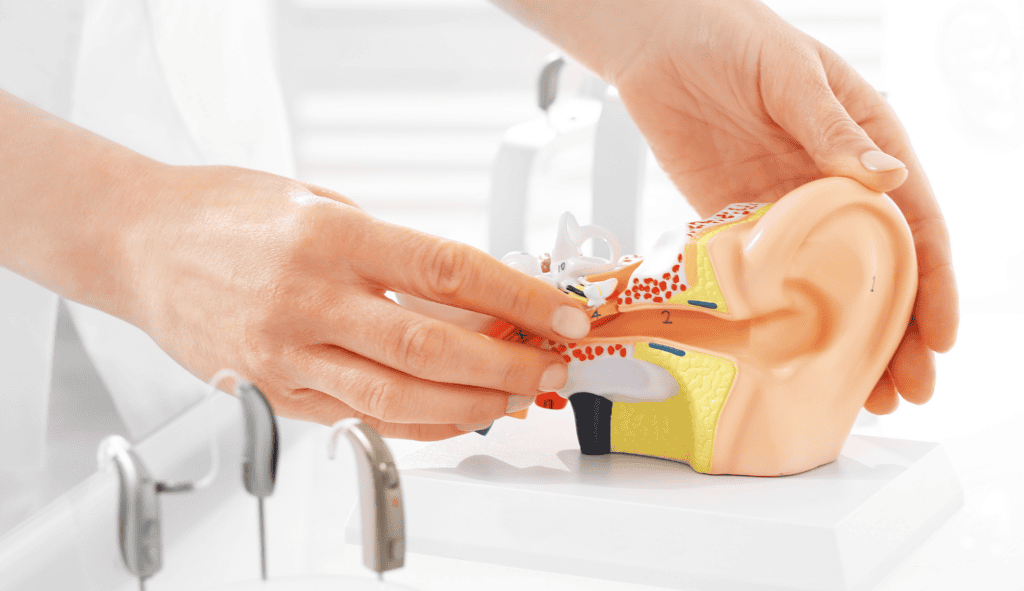
Hearing problems affect millions of people worldwide, causing communication barriers and impacting quality of life. Blockages in the ear canal, such as earwax or foreign objects, can cause hearing problems. Modern treatments offer hope, enabling individuals to regain their hearing and enjoy life to the fullest. Hearing aids are one of the modern treatments available. In this blog, we will explore effective treatments for hearing problems, guiding you towards the best solutions for your needs.
The Journey to Better Hearing
Hearing loss often leads to isolation and frustration, but it does not have to be a permanent condition. With advancements in medical technology and treatment options, you can restore normal hearing and find a solution that suits your lifestyle and hearing needs. Avoiding loud sounds is crucial in maintaining hearing health. Let’s delve into the various treatments available to help you hear clearly again.
Understanding Hearing Loss
Types of Hearing Loss
Conductive Hearing Loss
Conductive hearing loss occurs when sound waves cannot travel through the outer or middle ear, often due to blockages in the ear canal. This type often results from ear infections, fluid buildup, or blockages. Treatments may include medication, surgery, or hearing aids.
Sensorineural Hearing Loss
Sensorineural hearing loss results from damage to the inner ear or auditory nerve. Common causes include aging, noise exposure, and genetic factors. This type often requires hearing aids or cochlear implants for improvement.
Mixed Hearing Loss
Mixed hearing loss combines conductive and sensorineural elements. It requires a comprehensive approach, addressing both the mechanical and nerve-related aspects. Treatment may involve a combination of medical and technological solutions.
Common Causes of Hearing Problems
Age-Related Hearing Loss
Presbycusis, or age-related hearing loss, typically affects people over 65. The gradual decline in hearing sensitivity requires timely intervention to maintain communication abilities.
Noise-Induced Hearing Loss
Exposure to loud noise, whether sudden or prolonged, can damage the delicate structures of the inner ear. Preventative measures and protective devices can mitigate this type of hearing loss.
Medical Conditions
Certain medical conditions, such as diabetes, high blood pressure, and autoimmune disorders, contribute to hearing loss. Managing these underlying health issues helps in preserving hearing function.
Symptoms to Watch For
Difficulty Understanding Speech
Trouble hearing conversations, especially in noisy environments, indicates potential hearing loss. Misunderstanding words or frequently asking others to repeat themselves signals a need for evaluation.
Ringing in the Ears
Tinnitus, characterized by ringing, buzzing, or hissing sounds, often accompanies hearing loss. Addressing the underlying cause can alleviate this persistent annoyance.
Muffling of Sounds
A sensation that sounds are muffled or less clear points to hearing issues. This symptom disrupts daily activities and requires professional assessment.
Medical Treatments for Hearing Problems
Medications
Antibiotics
Ear infections often cause conductive hearing loss. Antibiotics effectively treat bacterial infections, restoring hearing function once the infection clears.
Steroids
Steroids reduce inflammation and swelling in the ear, particularly for conditions like sudden sensorineural hearing loss. Early intervention with steroids can significantly improve outcomes.
Vasodilators
Vasodilators increase blood flow to the inner ear, potentially benefiting individuals with certain types of hearing loss. These medications support the health of auditory nerves and cells.
Surgical Options
Ear Tubes
Insertion of ear tubes helps drain fluid from the middle ear, addressing chronic ear infections and associated hearing loss. This procedure is common in children but can also benefit adults.
Stapedectomy
A stapedectomy replaces the stapes bone in the middle ear with a prosthetic device. This surgery treats otosclerosis, a condition that causes conductive hearing loss.
Cochlear Implants
Cochlear implants provide a solution for severe sensorineural hearing loss. These devices bypass damaged parts of the ear, directly stimulating the auditory nerve to restore hearing.
Assistive Devices
Hearing Aids
Modern hearing aids offer advanced features, such as noise reduction, directional microphones, and Bluetooth connectivity. The evaluation process for hearing aids involves assessing the user’s hearing needs and lifestyle to determine the most suitable type, whether it be behind-the-ear, in-the-ear, or completely-in-canal models. These devices amplify sound, improving communication and quality of life.
Bone-Anchored Hearing Systems
Bone-anchored hearing systems (BAHS) transmit sound through bone conduction, benefiting individuals with conductive or mixed hearing loss. These devices bypass the outer and middle ear, directly stimulating the inner ear.
Personal Amplifiers
Personal amplifiers enhance sound for individuals with mild to moderate hearing loss. These portable devices provide an affordable and convenient solution for everyday listening needs.
Lifestyle Changes and Hearing Rehabilitation
Protecting Your Ears
Avoiding Loud Noises
Avoiding loud noise is crucial in preventing hearing damage. Limit exposure to loud environments, such as concerts, construction sites, and heavy traffic. Use ear protection when necessary to prevent further hearing damage.
Safe Listening Practices
Adopt safe listening habits by keeping volume levels low and avoiding loud sounds. Taking regular breaks from headphones or earbuds also helps preserve your hearing health.
Regular Hearing Check-Ups
Schedule regular hearing evaluations to monitor your hearing health. Early detection of hearing loss leads to timely intervention and better outcomes.
Communication Strategies
Lip Reading
Lip reading enhances understanding in noisy environments or when hearing aids are not enough. This skill can be developed through practice and training.
Sign Language
Learning sign language provides an alternative communication method for those with severe hearing loss. It fosters better interaction with the deaf and hard-of-hearing community.
Visual Aids
Use visual aids, such as written notes or gestures, to support communication. These tools help convey messages clearly and effectively.
Hearing Rehabilitation Programs
Auditory Training
Auditory training exercises improve listening skills and sound interpretation. These programs enhance the brain’s ability to process and understand sounds.
Speech Therapy
Speech therapy helps individuals with hearing loss improve their speech clarity and communication abilities. Therapists provide tailored exercises and strategies for effective communication.
Support Groups
Joining support groups connects you with others experiencing similar challenges. Sharing experiences and solutions fosters a sense of community and encouragement.
Innovative Hearing Technologies
Advanced Hearing Aids
Digital Signal Processing
Modern hearing aids use digital signal processing to enhance sound quality and reduce background noise. This technology provides a clearer listening experience.
Bluetooth Connectivity
Bluetooth-enabled hearing aids connect to smartphones, televisions, and other devices. This feature allows for seamless audio streaming and improved convenience.
Rechargeable Batteries
Rechargeable hearing aids offer the benefit of long-lasting power without the need for frequent battery changes. This feature provides ease of use and environmental benefits.
Cochlear Implants
How They Work
Cochlear implants are a solution for individuals with profound hearing loss, as they bypass damaged parts of the ear and directly stimulate the auditory nerve. This technology restores hearing for individuals with severe sensorineural hearing loss.
Candidacy and Benefits
Candidates for cochlear implants include those who do not benefit from traditional hearing aids. The implants significantly improve sound clarity and speech understanding.
Post-Implantation Care
Post-implantation care involves regular follow-ups, programming adjustments, and rehabilitation. These steps ensure optimal performance and adaptation to the device.
Emerging Technologies
Hybrid Cochlear Implants
Hybrid cochlear implants combine the benefits of traditional hearing aids and cochlear implants. This technology addresses both high-frequency hearing loss and residual low-frequency hearing.
Over-the-Counter Hearing Aids
Over-the-counter hearing aids offer an accessible and affordable option for mild to moderate hearing loss. These devices can help individuals experiencing trouble hearing by providing a convenient solution without the need for a prescription.
Smart Hearing Aids
Smart hearing aids utilize artificial intelligence and machine learning to adapt to different listening environments. This innovation enhances the overall hearing experience.
Take the First Step Towards Better Hearing
Hearing problems do not have to dictate your life. With the range of effective treatments available, you can find a solution that fits your needs and lifestyle. Whether through medical interventions, assistive devices, or innovative technologies, better hearing is within reach. Schedule an appointment with the experts at Entiicare today to begin your journey to improved hearing health.
For more information on hearing loss and treatments, visit these resources from ASHA. By staying informed and proactive, you can enjoy the sounds of life once again.