
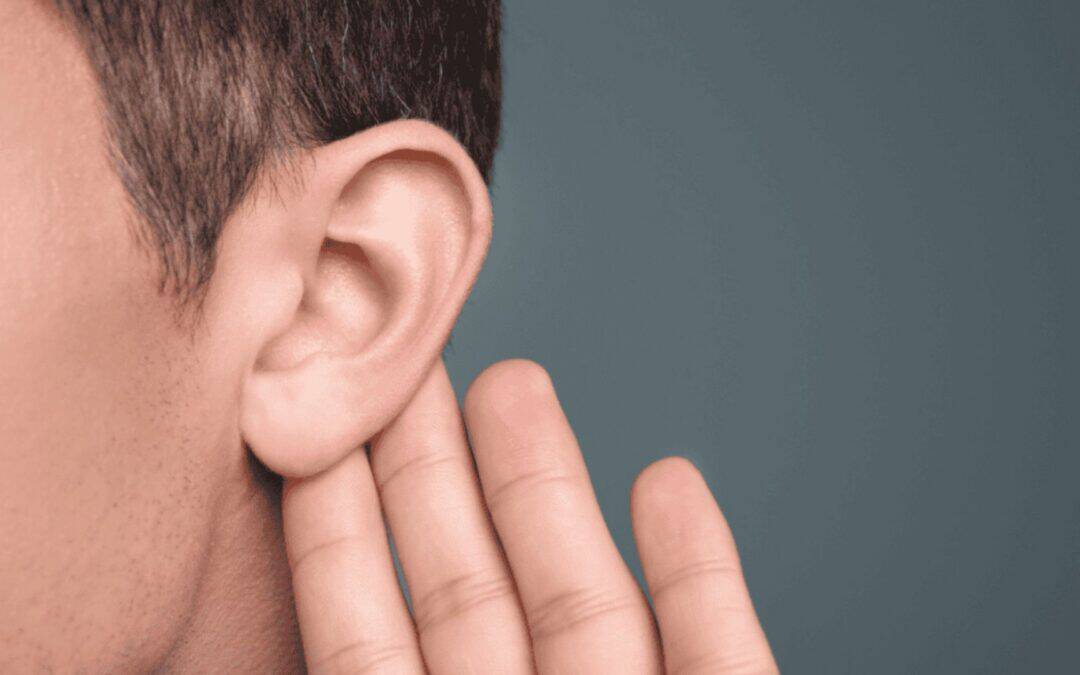
Turning Up the Volume on Your Health: Recognizing Hearing Loss Symptoms
Hearing plays a pivotal role in our daily lives, connecting us to the world and enabling communication. Yet, many people overlook the early signs of hearing loss. This oversight can lead to long-term issues and impact the quality of life. In this comprehensive guide, we will delve into the symptoms of hearing loss, empowering you to take proactive steps to protect your hearing health.
The Silent Epidemic
Hearing loss often creeps up gradually, making it easy to ignore or misunderstand the symptoms. Sensorineural hearing loss, a common type of hearing loss, can develop gradually due to factors such as aging or exposure to loud noise. By recognizing these early signs unilateral hearing loss, such as mild hearing loss, you can seek timely intervention and maintain your hearing health. Let’s explore the common symptoms of hearing loss and how they manifest in different aspects of life.
The Common Signs of Hearing Loss
Difficulty in Understanding Speech
Struggling in Noisy Environments
People with hearing loss often have trouble hearing and find it challenging to understand speech in noisy environments like restaurants or social gatherings. The background noise drowns out conversations, causing frustration and isolation. Noise-induced hearing loss can make it particularly challenging to understand speech in noisy environments.
Asking for Repetition
Frequent requests for others to repeat themselves indicate a struggle to catch every word. This repetition becomes necessary because certain sounds, especially consonants, become difficult to hear.
Conductive hearing loss can also cause frequent requests for repetition.
Misinterpreting Words
Misunderstanding conversations can lead to incorrect responses. This confusion stems from the brain trying to fill in the gaps left by missing sounds, often resulting in miscommunication. Profound hearing loss can lead to significant misinterpretation of words.
Increasing the Volume on Devices
Television and Radio
A common sign of hearing loss involves increasing the volume on televisions and radios. If others frequently make loud noise or comment on the loudness, it may indicate a problem with hearing nerve.
An ear infection can cause temporary hearing loss, leading to increased volume on televisions and radios.
Telephone Conversations
Struggling to hear during phone conversations often prompts people to switch to speaker mode or use volume amplifiers. This issue arises because phone audio lacks the full range of frequencies to hear speech.
Personal Devices
Using headphones or earbuds at higher volumes to hear clearly can damage hearing further. This habit points beyond only one ear and to an existing hearing issue that needs addressing.
Withdrawal from Social Situations
Avoiding Social Gatherings
People with hearing loss might avoid social situations to escape the embarrassment of not understanding conversations. This avoidance leads to feelings of loneliness and isolation.
Reduced Participation
A noticeable decline in participation during group conversations signals some type of hearing loss or difficulties. The effort required to follow discussions becomes exhausting, causing people to withdraw.
Emotional Impact
The frustration and embarrassment of not hearing properly can lead to anxiety and depression. Addressing hearing loss early can improve mental health and social engagement.
The Physical Symptoms of Hearing Loss
Tinnitus: The Ringing in Your Ears
Constant Ringing or Buzzing
Tinnitus involves persistent ringing, buzzing, or hissing sounds in the ears. This condition often accompanies hearing loss and can vary in intensity.
Intermittent Noises
Some people experience intermittent tinnitus, where the sounds come and go. This sporadic nature can still significantly impact concentration and quality of life.
Sleep Disturbances
Tinnitus can interfere with sleep, causing insomnia or frequent awakenings. The lack of restful sleep affects overall health and well-being.
Ear Pain or Discomfort
Ear Infections
Frequent ear infections cause pain and can contribute to temporary or permanent hearing loss. Recognizing and treating infections promptly helps protect hearing.
Pressure or Fullness
A sensation of pressure or fullness in ear canal of the one or both ears, might indicate fluid buildup or Eustachian tube dysfunction. These issues require medical attention to prevent hearing damage.
Balance Problems
The inner and middle ear plays a crucial role in balance. Hearing loss related to inner ear problems often leads to dizziness or balance issues, increasing the risk of falls.
Fatigue from Listening
Listening Effort
Straining to hear and understand conversations over loud sound causes listening fatigue. This condition leads to headaches and tiredness, impacting daily functioning.
Cognitive Load
The brain works harder to interpret sounds when sudden hearing loss first occurs, increasing cognitive load. This extra effort can result in reduced attention and memory.
Need for Breaks
Frequent breaks from listening activities indicate that hearing loss causes mental exhaustion. Recognizing this symptom can prompt individuals to seek help.
Recognizing Hearing Loss in Children
Delayed Speech Development
Missing Milestones
Children with hearing loss often miss speech and language development milestones. Early detection and intervention are crucial for effective communication skills.
Inconsistent Responses
Inconsistent responses to loud sounds or voices suggest hearing issues. Parents should monitor their child’s reactions and seek evaluation if concerns arise.
Difficulty in School
Struggles with following instructions or participating in class can stem from hearing loss. Teachers and parents should collaborate to identify and address these challenges.
Behavioral Changes
Increased Frustration
Children with hearing loss may exhibit frustration due to communication difficulties. Understanding and addressing the root cause helps improve their behavior.
Withdrawal from Peers
Withdrawing from social interactions with peers can indicate hearing problems. Encouraging socialization and providing support enhances their confidence.
Attention Issues
Difficulty paying attention in noisy environments often results from hearing loss. Proper diagnosis and accommodations can help children focus better.
Physical Symptoms
Ear Tugging or Rubbing
Frequent ear tugging or rubbing might indicate discomfort or hearing issues. Parents should consult a pediatrician if they notice these behaviors.
Lack of Response to Loud Noises
Children who do not respond to loud noises might have significant hearing loss. Early testing and intervention can mitigate long-term effects of noise exposure.
Speech Difficulties
Pronunciation errors or unclear speech can result from hearing loss. Speech therapy and hearing aids can significantly improve communication.
Taking Action: Protecting Your Hearing Health
Regular Hearing Tests
Importance of Early Detection
Regular hearing tests help detect issues early, enabling timely intervention. Early detection preserves normal hearing health and quality of life.
Frequency of Testing
Adults should undergo hearing tests every few years, while those at risk should have hearing test even more frequently. Children require hearing evaluations during routine check-ups.
Finding a Specialist
Consult an audiologist or ENT or hearing specialist, for comprehensive hearing evaluations. Professional guidance ensures accurate diagnosis and treatment.
Using Hearing Protection
Earplugs and Earmuffs
Using earplugs or earmuffs in noisy environments protects against hearing damage. These devices are essential for concerts, construction sites, loud music, and loud workplaces.
Safe Listening Practices
Adopting safe listening practices, such as keeping volume levels low and taking breaks, prevents hearing loss. Educating yourself on safe habits makes a difference.
Awareness and Advocacy
Raising awareness about all types of hearing loss, protection and advocating for noise regulations promotes community health. Join efforts to protect public hearing health.
Seeking Treatment Options
Hearing Aids
Modern hearing aids offer advanced features to improve hearing and quality of life. Consult an audiologist to find the best hearing aid device for your needs.
Cochlear Implants
For severe hearing loss, cochlear implants provide a viable solution mixed hearing loss. These devices bypass damaged parts of the outer ear, directly stimulating the auditory nerve.
Assistive Listening Devices
Assistive listening devices, such as amplified phones and TV listening systems, enhance sound clarity. These devices improve communication and daily activities.
Take Charge of Your Hearing Health
Hearing loss impacts every aspect of life, but recognizing the symptoms age related hearing loss early enables effective intervention. Protecting your hearing health involves regular check-ups, using hearing protection, and seeking appropriate treatments. Don’t wait until it’s too late to detect hearing loss. Schedule an appointment with the experts at ENTicare today to ensure your hearing remains in top condition.
For more information on hearing loss and its symptoms, visit these resources from the CDC. By staying informed and proactive, you can turn up the volume on your health and enjoy the other sounds out of life.