

How Many Watts Does a CPAP Use?
CPAP (Continuous Positive Airway Pressure) machines improve sleep and breathing for millions of people with sleep apnea. However, many users wonder how much power these machines consume and how to manage their power needs efficiently. This article explores CPAP wattage, power consumption, and how to keep your machine running smoothly while controlling energy costs.
What is a CPAP Machine and Why Does Power Matter?
CPAP Machines in Everyday Use
CPAP machines deliver pressurized air to keep relaxed, and oftentimes collapsed upper airways open during sleep. They improve sleep quality and overall health for those with obstructive sleep apnea.
Why Understanding Power Consumption is Important
Understanding the power consumption of your CPAP machine not only helps you manage electricity costs but also provides a sense of preparedness for power outages or off-grid travel. It ensures compatibility with power sources, including portable batteries, giving you a sense of control and peace of mind. Additionally, using an uninterruptible power supply (UPS) can ensure continuous operation during power outages.
Key Components That Use Power
Several components contribute to a CPAP’s energy use:
- Blower Motor: Pressurizes air to deliver through the mask.
- Humidifier: Warms and moistens the air for comfort.
- Heated Tubing: Keeps the air at an optimal temperature during delivery.
Understanding Wattage and Energy Use in CPAP Machines
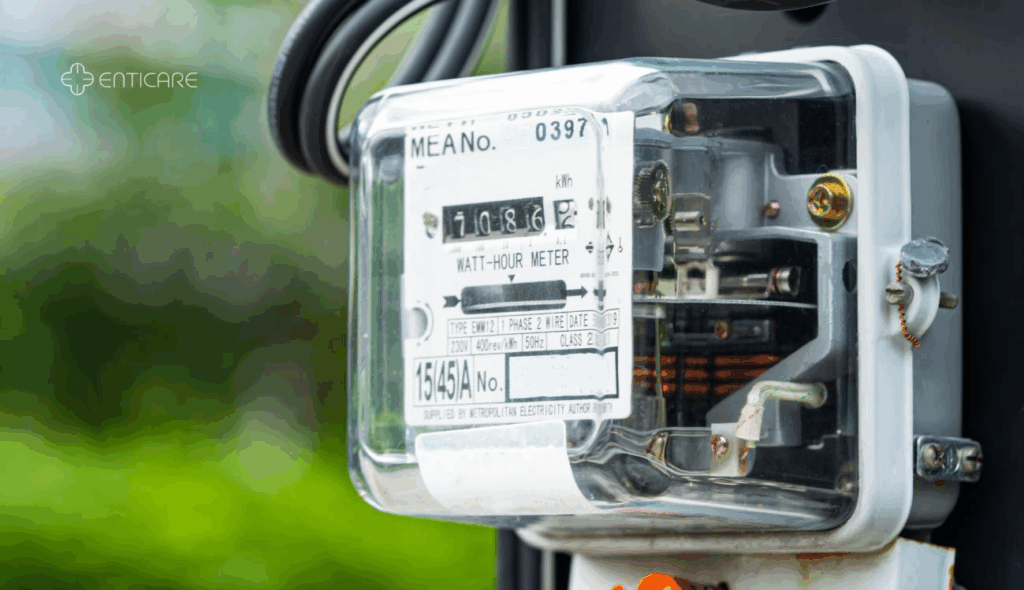
Typical Wattage for Standard CPAP Machines
Most CPAP machines use 30 to 60 watts during normal operation, but how much power they consume can vary. Models with fewer features, such as those without humidifiers, consume less power.
Impact of Additional Features
Advanced features like heated humidifiers or tubing can increase power consumption to 90 to 120 watts. While these improve comfort, they demand more energy.
Variations Across Brands and Models
CPAP machines are designed to be adaptable to different power sources and usage scenarios. For instance, travel CPAP machines often consume less energy, sometimes under 20 watts, making them ideal for portable use. This adaptability empowers you to maintain your therapy even when you’re on the go.
Types of CPAP Power Supplies
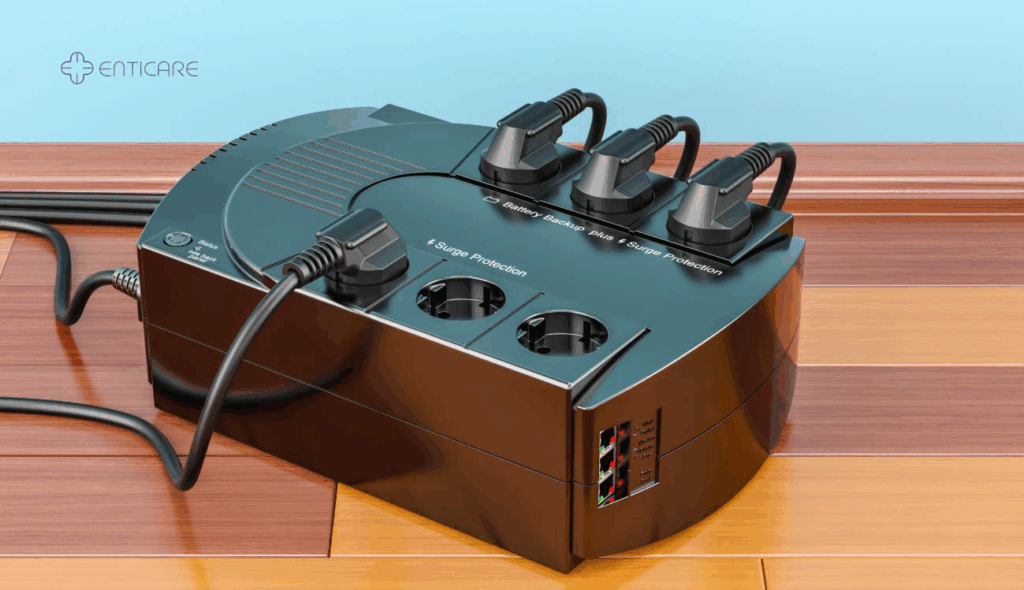
CPAP machines require a reliable power source to function properly. There are various types of CPAP power supplies available, each with its own advantages and disadvantages.
Portable Power Stations
Portable power stations, also known as generators, are a popular choice for CPAP power supplies. These devices are quiet, portable, and environmentally friendly, making them ideal for both indoor and outdoor use. One of the standout features of portable power stations is their ability to be charged using solar panels, providing a sustainable power solution for camping trips or extended travel. When selecting a portable power station, it’s important to consider the type of battery it uses—whether lead-acid or lithium-ion—as well as its power capacity and sizing measurements. These factors will ensure that your CPAP machine runs efficiently and reliably, no matter where you are.
DC Power Supplies
DC power supplies are essential when you need to power your CPAP machine from a DC power source, such as a vehicle battery or a portable battery pack. These supplies are straightforward to use and can easily connect to the grid. However, it’s crucial to use the correct size wire and fuse to ensure safe and efficient operation. While DC power supplies may not be as portable as other options, they offer a reliable and less complex solution for powering your CPAP machine, especially during road trips or when you’re on the move.
Battery Backups
Battery backups are a lifesaver for CPAP users, providing a portable and rechargeable power source in the event of a power outage. Designed specifically for CPAP machines, these battery backups come in various types, including lead-acid batteries, lithium-ion batteries, and sealed AGM (absorbent glass mat) batteries. They offer a dependable power solution, ensuring that your sleep therapy is not interrupted during unexpected power failures. With different capacities and runtimes, battery backups are an excellent choice for those who need a reliable power source to keep their CPAP machines running smoothly.
Solar Generators
Solar generators are an innovative type of CPAP power supply that harnesses energy from the sun and stores it in a battery pack. These generators are perfect for outdoor enthusiasts, providing a quiet, portable, and eco-friendly power source for CPAP machines. When choosing a solar generator, it’s important to consider the size and capacity of the generator, as well as the amount of sunlight available to charge the battery pack. Solar generators offer a sustainable and reliable power solution, ensuring that your CPAP machine can operate efficiently even in remote locations.
When choosing a CPAP power supply, consider factors such as power output, battery capacity, and efficiency. Balancing these considerations with your budget will help you select the perfect power supply for your CPAP machine, ensuring uninterrupted and effective sleep therapy.
Powering CPAP Machines During Outages or Travel
Using Battery Backup Options
Battery backups, such as lithium-ion packs, ensure uninterrupted operation during power outages. Depending on the device and settings, they offer runtimes ranging from 8 to 24 hours.
Solar Power Compatibility
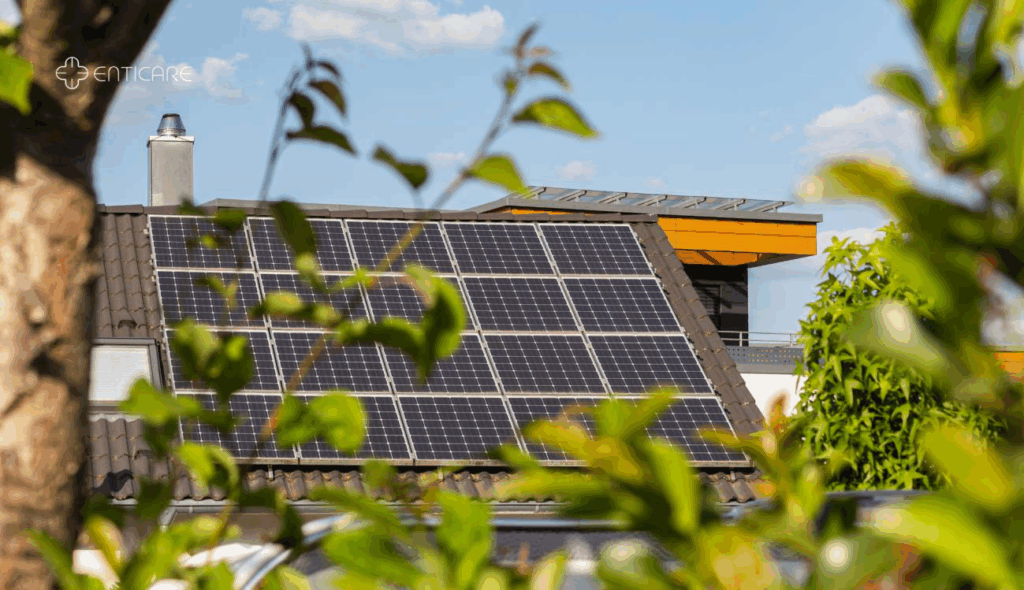
Solar panels can charge CPAP battery packs, making them a sustainable option for camping or extended travel. Ensure the panel provides adequate wattage for your machine.
Travel-Specific Considerations
Consider voltage compatibility and power adapters for international travel. Some CPAP machines, such as ResMed series 10 and 11, include universal power supplies that work with 110V and 220V outlets.
Tips to Optimize Energy Consumption
Energy-Efficient CPAP Features
Look for machines with energy-saving modes or low-wattage settings. These features can significantly reduce electricity use without compromising therapy quality.
Proper Maintenance to Reduce Power Waste
Regular maintenance, such as cleaning and replacing filters, is a key aspect of responsible CPAP ownership. It not only keeps the motor running efficiently but also ensures that your device performs optimally, making you a proactive and responsible user.
Choosing the Right Accessories
Select compatible accessories that enhance efficiency, such as insulated tubing or humidifier covers. These can improve performance and lower energy demands.
When to Seek Professional Guidance
Troubleshooting Power-Related Issues
If your CPAP machine shows inconsistent power performance or stops working, consult a specialist to diagnose the problem. Common issues include faulty power cords or worn-out components.
Upgrading or Replacing CPAP Devices
Older CPAP models may consume more energy than newer, energy-efficient designs. Consider upgrading to reduce long-term costs and improve functionality.
Consulting Experts for Energy Optimization
A sleep specialist can help identify the most suitable CPAP options for your needs, including energy-efficient models or solutions for unique power challenges.
Key Takeaways
- CPAP machines typically use 30 to 60 watts, but additional features like humidifiers can increase energy use.
- Battery backups and solar power provide reliable solutions during outages or travel.
- Energy-efficient machines and proper maintenance can reduce power consumption.
- Consult a professional if you encounter power issues or wish to explore modern, energy-efficient options.
Conclusion
Understanding your CPAP machine’s power needs helps you manage energy use and ensures uninterrupted sleep therapy. By optimizing your device and preparing for power challenges, you can enjoy the full benefits of CPAP therapy without unnecessary stress.
Schedule an appointment with our sleep specialists today to discuss the best CPAP solutions for your lifestyle and needs.