
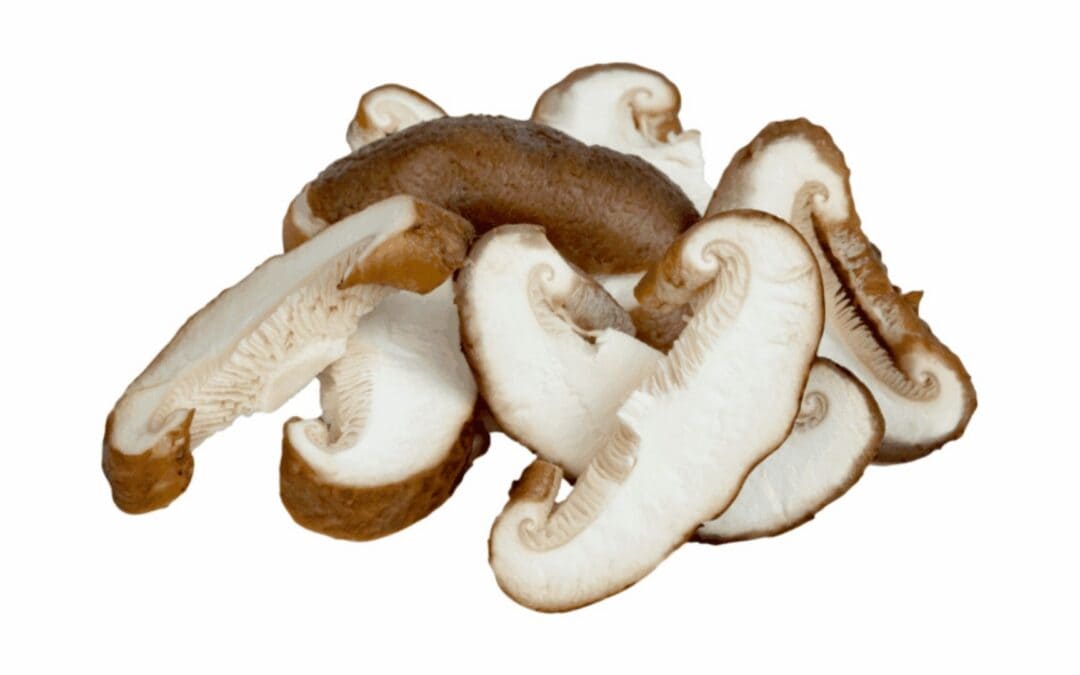
Have you ever eaten mushrooms and later experienced symptoms such as a headache, nasal congestion, or digestive discomfort? You may wonder whether mushrooms are high in histamine.
The answer is more complicated than a simple yes or no.
Fresh mushrooms are generally considered low in histamine, but histamine levels can vary depending on the food’s condition, storage, processing, and individual tolerance. Mushrooms also contain other compounds called biogenic amines, which may affect some people who are sensitive to histamine.
If you suspect that mushrooms trigger your symptoms, understanding histamine intolerance and tracking your reactions can help you make informed dietary choices.
What Is Histamine?
Histamine is a naturally occurring chemical that plays several important roles in the body. It is involved in:
- Immune responses
- Digestion and stomach acid production
- Regulation of the sleep-wake cycle
- Communication between nerve cells
Histamine is not inherently harmful. Your body needs it to perform normal functions.
Problems can occur when histamine builds up faster than the body can break it down or when someone has a condition that causes symptoms after consuming foods containing histamine.
What Is Histamine Intolerance?
Histamine intolerance refers to symptoms that may occur when the amount of histamine in the body exceeds an individual’s ability to break it down.
One enzyme involved in breaking down histamine from food is diamine oxidase (DAO).
Possible symptoms include:
- Headaches
- Flushing
- Hives or itching
- Nasal congestion
- Abdominal pain
- Bloating
- Diarrhea
- Nausea
However, these symptoms can have many causes. Histamine intolerance can be difficult to distinguish from food allergies, medication reactions, digestive conditions, and other problems.
That’s why persistent or recurring symptoms should be evaluated by a healthcare professional.
Are Mushrooms High in Histamine?
Most fresh mushrooms are generally considered low in histamine.
However, this does not mean everyone with suspected histamine intolerance will tolerate mushrooms.
Mushrooms contain other biogenic amines, and the amount of these compounds can vary. Some people may experience symptoms after eating mushrooms even when the food itself is not considered a high-histamine food.
It’s also important to remember that research on the exact histamine and biogenic amine content of different mushroom varieties is limited and can vary depending on how the food is grown, stored, processed, and tested.
Do Different Mushrooms Have Different Histamine Levels?
Yes, mushroom varieties can differ in their chemical composition.
Common edible mushrooms include:
- Button mushrooms
- Cremini mushrooms
- Portobello mushrooms
- Shiitake mushrooms
- Oyster mushrooms
- Reishi and other medicinal mushrooms
However, there is not enough reliable evidence to create a universal ranking of mushrooms from “safe” to “high histamine.”
If you suspect mushrooms are causing symptoms, your personal response may be more useful than relying on a general list of mushroom varieties.
Can Storage Affect Histamine Levels?
Storage and freshness matter when considering histamine-containing foods.
Microbial activity can contribute to the formation of histamine and other biogenic amines in certain foods. For this reason, improperly stored or spoiled foods may be more likely to cause problems.
To keep mushrooms fresh:
- Refrigerate mushrooms promptly.
- Follow the storage instructions on the package.
- Use mushrooms while they are fresh.
- Avoid mushrooms that appear spoiled or have an unusual odor.
- Do not leave cooked mushrooms at room temperature for extended periods.
Proper food storage is important for food safety regardless of whether you have histamine intolerance.
Do Dried or Processed Mushrooms Contain More Histamine?
There isn’t enough evidence to say that all dried mushrooms are automatically high in histamine.
Processing can change the levels of histamine and other biogenic amines, but the effect depends on the food, processing method, storage conditions, and other factors.
If you notice symptoms after eating dried or processed mushrooms but tolerate fresh mushrooms, keep track of the specific product and preparation method.
Does Cooking Remove Histamine?
Cooking does not reliably remove histamine from food.
This is important because some people assume that cooking a food will make it safe if histamine is causing their symptoms.
The effect of cooking on histamine and other biogenic amines can vary depending on the food and cooking method. Therefore, you should not rely on cooking alone to prevent a reaction.
If mushrooms consistently cause symptoms, discuss your reactions with a healthcare professional.
Why Do Mushrooms Cause Symptoms for Some People?
Individual responses can vary.
If you experience symptoms after eating mushrooms, several possibilities should be considered.
Histamine or Biogenic Amines
Some people may experience symptoms after consuming foods containing histamine or other biogenic amines.
Food Allergy
A true mushroom allergy is possible, although it is relatively uncommon.
Food allergies involve an immune response to specific food proteins and can cause symptoms such as:
- Hives
- Swelling
- Vomiting
- Wheezing
- Difficulty breathing
- Anaphylaxis
A food allergy is different from histamine intolerance.
Food Spoilage
Mushrooms that have been improperly stored or have spoiled may cause gastrointestinal symptoms or other problems unrelated to histamine intolerance.
Another Underlying Condition
Headaches, congestion, bloating, and digestive problems have many possible causes. A healthcare professional can help determine whether mushrooms are actually responsible.
How to Tell if Mushrooms Trigger Your Symptoms
If you suspect mushrooms are causing symptoms, keep a food and symptom diary.
Record:
- What type of mushroom you ate
- Whether it was fresh, dried, canned, or processed
- How it was prepared
- How much you ate
- When symptoms appeared
- What symptoms occurred
- Other foods or drinks consumed around the same time
This information can help your healthcare provider identify patterns.
Avoid making major long-term dietary restrictions without professional guidance, especially if removing multiple foods could affect your nutrition.
When Should You See an Allergy Specialist?
Consider speaking with an allergy specialist if you repeatedly experience symptoms after eating mushrooms.
A specialist can help determine whether your symptoms may be related to:
- A food allergy
- Histamine-related symptoms
- Another food intolerance
- Seasonal allergies
- A digestive condition
- Another underlying cause
Depending on your symptoms and medical history, your provider may recommend appropriate allergy testing or other evaluations.
Seek Emergency Care for Severe Symptoms
If you develop difficulty breathing, swelling of the throat or tongue, severe dizziness, or other signs of a serious allergic reaction after eating mushrooms, seek emergency medical care immediately.
Tips for Eating Mushrooms Safely
If you tolerate mushrooms but are concerned about possible histamine-related symptoms, consider these general food-safety practices:
Choose Fresh Mushrooms
Look for mushrooms that are firm and free from signs of spoilage.
Store Them Properly
Refrigerate mushrooms and follow the storage instructions provided with the product.
Keep Track of Your Reactions
A food diary can help identify whether a particular mushroom, preparation method, or portion size is associated with symptoms.
Don’t Assume Every Mushroom Will Affect You the Same Way
Different mushroom varieties and products may affect people differently. If one type causes symptoms, discuss your experience with a healthcare professional before eliminating all mushrooms from your diet.
Key Takeaways
- Fresh mushrooms are generally low in histamine, but individual responses can vary.
- Mushrooms contain other biogenic amines that may contribute to symptoms in some people.
- Storage, processing, and freshness can affect the levels of histamine and other compounds in foods.
- Cooking does not reliably remove histamine.
- Symptoms after eating mushrooms do not necessarily mean you have histamine intolerance.
- A food allergy, food spoilage, or another health condition may cause similar symptoms.
- A food and symptom diary can help identify possible triggers.
- Persistent or severe symptoms should be evaluated by a healthcare professional.
Conclusion
So, are mushrooms high in histamine?
Generally, fresh mushrooms are not considered high-histamine foods. However, their levels of histamine and other biogenic amines can vary, and some people may experience symptoms after eating them.
If mushrooms consistently cause headaches, congestion, digestive problems, hives, or other symptoms, don’t assume histamine intolerance is the only possible explanation. An allergy specialist can help determine what may be causing your symptoms and recommend appropriate next steps.
Schedule an appointment with Enticare’s allergy specialists
Frequently Asked Questions
Are mushrooms considered high-histamine foods?
Most fresh mushrooms are generally considered low in histamine. However, individual reactions can vary, and processing or storage may affect histamine and other biogenic amines.
Can mushrooms trigger histamine intolerance symptoms?
They may trigger symptoms in some people who are sensitive to histamine or other biogenic amines. However, symptoms after eating mushrooms can have several possible causes.
Are dried mushrooms higher in histamine than fresh mushrooms?
Not necessarily. Processing and storage can affect histamine and other biogenic amines, but there is not enough evidence to say that all dried mushrooms are automatically high in histamine.
Does cooking reduce histamine in mushrooms?
Cooking does not reliably remove histamine. The effect of cooking can vary depending on the food and preparation method.
How can I tell if mushrooms are causing my symptoms?
Keep a food and symptom diary that records the type of mushroom, preparation method, amount consumed, and symptoms. An allergy specialist can help evaluate recurring reactions.
Is histamine intolerance the same as a mushroom allergy?
No. A mushroom allergy involves an immune response to specific mushroom proteins. Histamine intolerance refers to difficulty tolerating histamine and may involve different mechanisms.
Can I eat mushrooms if I have histamine intolerance?
There is no single answer for everyone. Some people may tolerate fresh mushrooms, while others may experience symptoms. Work with a healthcare professional to identify your individual triggers.