


Have you ever woken up feeling like your brain won’t work right? If you have sleep apnea, you might also struggle with brain fog — that fuzzy, forgetful feeling that slows you down. Sleep apnea brain fog can affect your mood, memory, and daily life. The good news? You can find clarity and start feeling like yourself again.
What Is Sleep Apnea Brain Fog?
- The Link Between Sleep Apnea and Mental Clarity
Sleep apnea happens when breathing stops and starts during sleep. It causes brain issues by lowering oxygen levels. Without enough oxygen, your brain can’t work correctly, leading to mental sluggishness and memory problems. According to Johns Hopkins Medicine, untreated sleep apnea may even damage brain tissue over time.
- Symptoms of Brain Fog from Sleep Apnea
Experiencing brain fog can be confusing at first. You might notice:
- Forgetting simple things, like names or appointments.
- Struggling to focus at work or school.
- Feeling tired even after a whole night’s sleep.
- Trouble finding the right words when speaking.
These signs point to poor sleep quality affecting your brain’s performance.
- Why It Feels Worse Over Time
When sleep apnea continues without treatment, brain fog can worsen. Long-term oxygen deprivation can lead to severe cognitive decline. Untreated sleep apnea can decrease brain matter density, contributing to cognitive decline. Studies from the American Academy of Sleep Medicine show that people with untreated sleep apnea score lower on memory and attention tests than those without the condition.
How Sleep Apnea Affects the Brain
- Decreased Oxygen Supply
Blockages prevent oxygen from reaching your brain when you stop breathing during sleep. Neurons, the brain’s communication cells, need oxygen to survive. If they do not get enough, they weaken or die, which affects memory, decision-making, and emotions.
- Disrupted Sleep Cycles
Usually, your brain goes through stages of deep sleep that refresh and repair it. Sleep apnea disrupts the circadian rhythm, affecting cognitive function and overall health. Sleep apnea keeps waking you up, even if you don’t realize it. This disruption stops your brain from completing critical processes that strengthen memory and learning.
- Increased Risk of Brain Disorders
Untreated sleep apnea not only causes foggy thinking but also increases the risk of:
- Alzheimer’s disease
- Stroke
- Depression
According to the Sleep Foundation, imaging studies show brain shrinkage in key areas when sleep apnea remains untreated.
Signs You Might Have Sleep Apnea Brain Fog
- Daytime Sleepiness
One of the biggest red flags is excessive daytime sleepiness, even after 7–8 hours of sleep. Sleep apnea could disrupt your rest if you catch yourself nodding off during meetings or while reading.
- Mood Swings and Irritability
Without enough restorative sleep, emotions become more complicated to manage. Sleep apnea can impair critical thinking abilities, making it difficult to focus and process information effectively. You might feel angry, sad, or anxious for no apparent reason. Brain fog often comes with these emotional ups and downs.
- Slower Thinking and Reaction Time
Do you struggle with cognitive problems, such as thinking on your feet? Slow reactions while driving or trouble-solving simple issues could mean your brain isn’t getting the rest it needs.
Solutions to Clear Sleep Apnea Brain Fog
- Seek Professional Diagnosis and Treatment
You need a professional sleep study if you suspect sleep apnea, a significant medical condition. A diagnosis leads to treatments that significantly improve brain function. Treatments include:
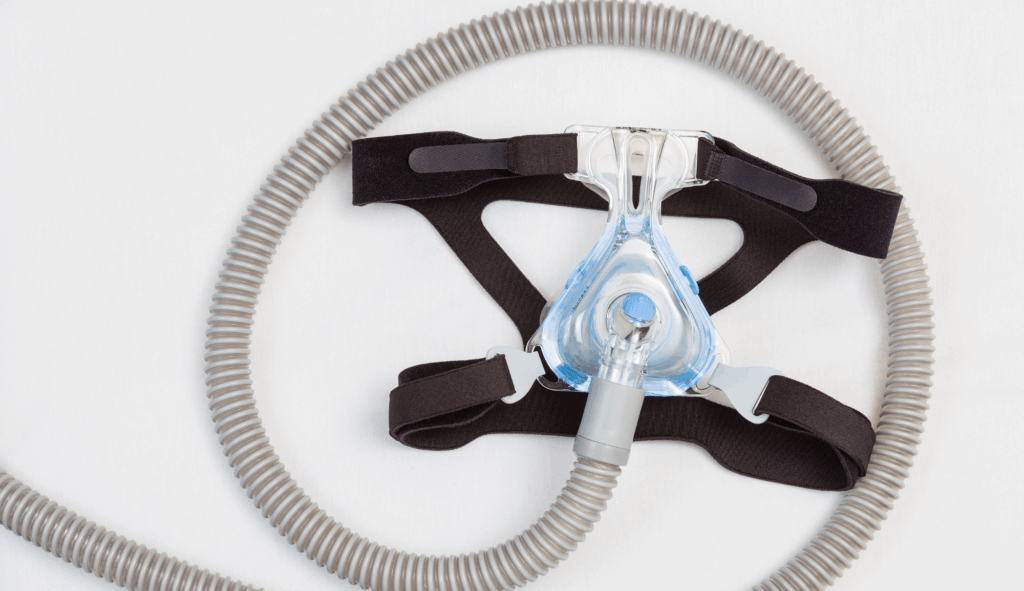
- CPAP therapy (Continuous Positive Airway Pressure): Keeps airways open.
- Oral appliances: Custom mouthguards that help prevent airway blockage.
- Lifestyle changes: Weight loss and quitting smoking can reduce symptoms.
You can learn more about sleep studies and treatments by visiting Enticare Sleep Services.
- Improve Sleep Hygiene
Good habits can boost your brain even if you’re still starting treatment:
- Stick to a consistent sleeping schedule.
- Avoid caffeine and heavy meals before bed.
- Create a calm, dark, and quiet sleep environment.
Small changes can make a big difference!
- Support Brain Health Daily
Even with treatment, supporting your brain helps speed recovery. Try:
- Eating brain-boosting foods like berries, leafy greens, and fatty fish.
- Staying mentally active with puzzles, reading, or learning new skills.
- Exercise regularly to boost blood flow to your brain.
Harvard Health Publishing says exercise improves memory and thinking skills, especially after poor sleep.
Long-Term Strategies for Maintaining Mental Clarity
- Regular Sleep Check-ups
Sleep apnea can change over time. Monitoring severe OSA is crucial, as it typically corresponds to an AHI of 30 or higher, indicating a more serious level of the condition. The condition is often associated with significant levels of daytime sleepiness and cognitive impairments among affected patients. Scheduling regular appointments helps adjust treatments as needed. Technology like newer CPAP machines offers more comfort and efficiency.
- Managing Stress
High Stress makes brain fog worse. Stress affects the body by disrupting blood pressure regulation and overall health. Practice stress-reduction techniques like:
- Deep breathing exercises
- Meditation
- Gentle Yoga
Managing Stress keeps your mind sharp and focused.
- Staying Connected
Social interaction also sharpens your brain. Engaging with others can help manage health conditions by reducing Stress and promoting well-being. Spending time with friends, volunteering, or joining clubs helps strengthen cognitive skills and wards off mental decline.
Key Takeaways
- Sleep apnea brain fog happens because of low oxygen and poor sleep quality.
- Common symptoms include memory problems, mood swings, and daytime tiredness.
- Untreated sleep apnea can lead to serious brain issues, including Alzheimer’s and depression.
- Mild cognitive impairment is often associated with sleep apnea, leading to symptoms like forgetfulness and confusion. Treating sleep apnea may help alleviate these cognitive challenges.
- Professional treatments like CPAP and good sleep habits can reverse brain fog.
- Lifestyle changes such as exercise, diet, and Stress management boost brain recovery.
Clear Your Mind — and Your Sleep!
Don’t let sleep apnea brain fog control your life. Frequent wake episodes due to obstructive sleep apnea can disrupt sleep patterns, leading to cognitive issues and tiredness. Take the first step toward clearer thinking, better energy, and a happier you. Schedule a sleep consultation today with Enticare and start your journey back to mental clarity!
FAQ
What causes brain fog in sleep apnea?
Sleep apnea reduces oxygen to the brain and disrupts deep sleep cycles, leading to memory problems, slow thinking, and poor focus.
Can treating sleep apnea improve brain fog?
Yes. CPAP therapy, oral appliances, and lifestyle changes can significantly improve mental clarity and cognitive performance.
Is sleep apnea brain fog permanent?
In many cases, no. Early diagnosis and consistent treatment can reverse brain fog and protect long-term brain health.
How long does it take for brain fog to improve after treatment?
Many patients notice improvement within weeks of starting treatment, especially with regular CPAP use.
Does untreated sleep apnea increase dementia risk?
Yes. Research links untreated sleep apnea to higher risks of Alzheimer’s disease, stroke, and cognitive decline.