


You might have heard about sleep apnea and pulmonary hypertension before. But did you know they are often connected? Both conditions affect how your body gets the oxygen it needs. When they happen together, they can cause even more serious health problems.
Many people think sleep apnea only leads to snoring or tiredness. However, untreated sleep apnea can stress your heart and lungs. This stress may raise your risk for pulmonary hypertension — a dangerous type of high blood pressure in the lungs. Untreated sleep apnea can also lead to excessive daytime sleepiness, which further exacerbates health issues.
Knowing how these two conditions relate can help you catch symptoms early and get the proper care. Your health depends on breathing easily, day and night!
What Is Sleep Apnea?
Sleep apnea means you stop breathing for short times while you sleep. These breathing pauses can happen dozens or even hundreds of times every night. Repeated breathing pauses cause intermittent hypoxia, which is a significant factor in the health impacts of sleep apnea.
Signs You Might Have Sleep Apnea
- Loud, chronic snoring
- Waking up gasping or choking
- Feeling very tired during the day
- Morning headaches
- Daytime sleepiness
Why Sleep Apnea Is Dangerous
Sleep apnea makes your oxygen levels drop repeatedly overnight. This puts stress on your heart, blood vessels, and brain. It raises your risk of heart disease, stroke, and other serious problems.
Additionally, sleep apnea can lead to endothelial dysfunction, which contributes to cardiovascular issues by impairing nitric oxide synthesis and increasing sympathetic tone.
What Is Pulmonary Arterial Hypertension?
Pulmonary hypertension (PH) happens when blood pressure inside your lung arteries becomes too high. Over time, it makes your heart work harder than it should. If not treated, PH can lead to heart failure.
Pulmonary hypertension is diagnosed when the mean pulmonary arterial pressure (mPAP) is 25 mmHg or higher.
Causes of Pulmonary Hypertension
- Sleep Apnea: Low oxygen levels during sleep can cause lung artery pressure to rise.
- Heart and Lung Diseases: Conditions like COPD, heart valve issues, pulmonary disease, or blood clots can lead to PH.
- Genetic Factors: Some people inherit conditions that affect their lung blood vessels.
Symptoms to Watch For
- Shortness of breath, even during mild activities
- Chest pain
- Fatigue and dizziness
- Swelling in your ankles, legs, or belly
- Nocturnal oxygen desaturation
How Sleep Apnea and Pulmonary Hypertension Connect
When breathing stops at night, oxygen levels drop. This lack of oxygen causes lung arteries to narrow. Over time, this constant pressure damages the arteries, leading to pulmonary hypertension.
Sleep apnea affects pulmonary hemodynamics, leading to increased pulmonary arterial pressure.
Check out more information from the American Lung Association here.
How Doctors Diagnose and Treat These Conditions
If you suspect you have sleep apnea, pulmonary hypertension, or both, talk to a healthcare provider. Getting an early diagnosis can protect your heart and lungs from long-term harm. Patients with obstructive sleep apnea often require comprehensive evaluation and treatment to manage both conditions effectively.
Diagnosing Sleep Apnea
- Sleep Studies: You may undergo an overnight sleep study (polysomnography) in a lab or use a home sleep test. To diagnose sleep apneas, these studies monitor respiratory events, such as apneas and hypopneas.
- Physical Exams: Doctors often check your throat, neck, and airway for blockages.
- Medical History Review: Discussing symptoms, family history, and lifestyle factors is essential.
Diagnosing Pulmonary Hypertension
- Echocardiogram: A heart ultrasound helps spot signs of high lung pressure.
- Right Heart Catheterization: This test measures lung artery pressure directly.
- Pulmonary Function Testing: This testing identifies ventilatory patterns, such as obstructive versus restrictive, critical for understanding the relationship between obstructive sleep apnea (OSA) and pulmonary hypertension (PH).
- Blood Tests and Imaging: CT scans or MRIs look for underlying lung or heart issues.
Treatment Options
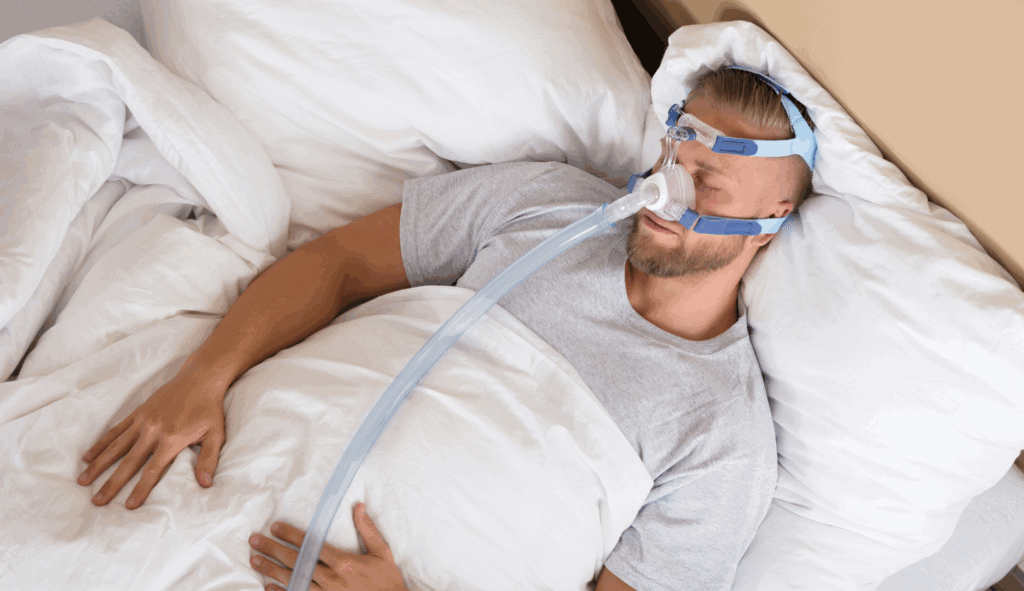
- CPAP Therapy for Sleep Apnea: CPAP (Continuous Positive Airway Pressure) keeps your airways open at night. CPAP therapy is also effective in managing obesity hypoventilation syndrome, which can contribute to pulmonary hypertension.
- Medications for PH: Treatments might include oxygen therapy, blood vessel relaxers, or blood thinners.
- Lifestyle Changes: Quitting smoking, managing weight, and staying active help ease symptoms.
Key Takeaways
✅ Sleep apnea and pulmonary hypertension often happen together.
✅ Untreated sleep apnea puts significant stress on your heart and lungs.
✅ Early diagnosis and treatment make a huge difference.
✅ Managing sleep apnea can help prevent or slow pulmonary hypertension.
✅ Managing sleep apnea can reduce the risk of developing pulmonary hypertension.
✅ CPAP therapy, lifestyle changes, and medications offer powerful relief.
Take Charge of Your Breathing Health Today!
Breathing is an essential part of overall health. If you have sleep apnea symptoms or concerns about your heart and lungs, don’t wait. Early action saves lives and improves quality of life.
Patients diagnosed with sleep apnea or pulmonary hypertension should seek early treatment to manage their conditions effectively.
At Enticare, we specialize in diagnosing and treating sleep disorders, such as sleep apnea. We are here to help you breathe easier and sleep better. Schedule an appointment with us today!
Sources:
- Sleep Foundation – Sleep Apnea
- American Lung Association – Pulmonary Hypertension
- Eur Respir J – Pulmonary Hypertension Guidelines
❓ Frequently Asked Questions (FAQs)
Can sleep apnea cause pulmonary hypertension?
Yes. Untreated sleep apnea causes repeated drops in oxygen levels during sleep. These oxygen drops make the blood vessels in the lungs tighten, which raises lung artery pressure over time and can lead to pulmonary hypertension.
How common is pulmonary hypertension in people with sleep apnea?
Pulmonary hypertension occurs more often in people with moderate to severe obstructive sleep apnea, especially when the condition remains untreated for long periods. The risk increases when oxygen levels drop frequently at night.
Does treating sleep apnea improve pulmonary hypertension?
Yes. Treating sleep apnea with CPAP therapy improves nighttime oxygen levels and reduces stress on the lungs and heart. In many patients, this helps stabilize or slow the progression of pulmonary hypertension.
What are early warning signs of sleep apnea and pulmonary hypertension together?
Common signs include loud snoring, extreme daytime fatigue, morning headaches, shortness of breath during mild activity, chest discomfort, and swelling in the legs or ankles.
Can pulmonary hypertension go away if sleep apnea is treated?
Pulmonary hypertension may not fully reverse in all cases, but early treatment of sleep apnea can prevent worsening and significantly improve symptoms, energy levels, and heart function.
Is CPAP therapy safe for patients with pulmonary hypertension?
Yes. CPAP therapy is considered safe and beneficial for patients who have both sleep apnea and pulmonary hypertension. It helps maintain steady oxygen levels and reduces pressure on lung arteries.
How is sleep apnea diagnosed when pulmonary hypertension is suspected?
Doctors use overnight sleep studies, either in a lab or at home, to track breathing patterns, oxygen levels, and sleep interruptions. These results help confirm sleep apnea and guide treatment decisions.
What happens if sleep apnea and pulmonary hypertension are left untreated?
Without treatment, both conditions can worsen. This increases the risk of heart failure, irregular heart rhythms, stroke, and reduced quality of life due to chronic fatigue and breathing difficulty.
Who is most at risk for developing both conditions?
People who are overweight, smoke, have chronic lung disease, heart conditions, or a family history of sleep apnea face a higher risk. Aging also increases susceptibility.
When should I see a sleep specialist?
You should see a sleep specialist if you snore loudly, feel exhausted during the day, wake up gasping for air, or have unexplained shortness of breath. Early evaluation at Enticare can protect your heart and lungs.