

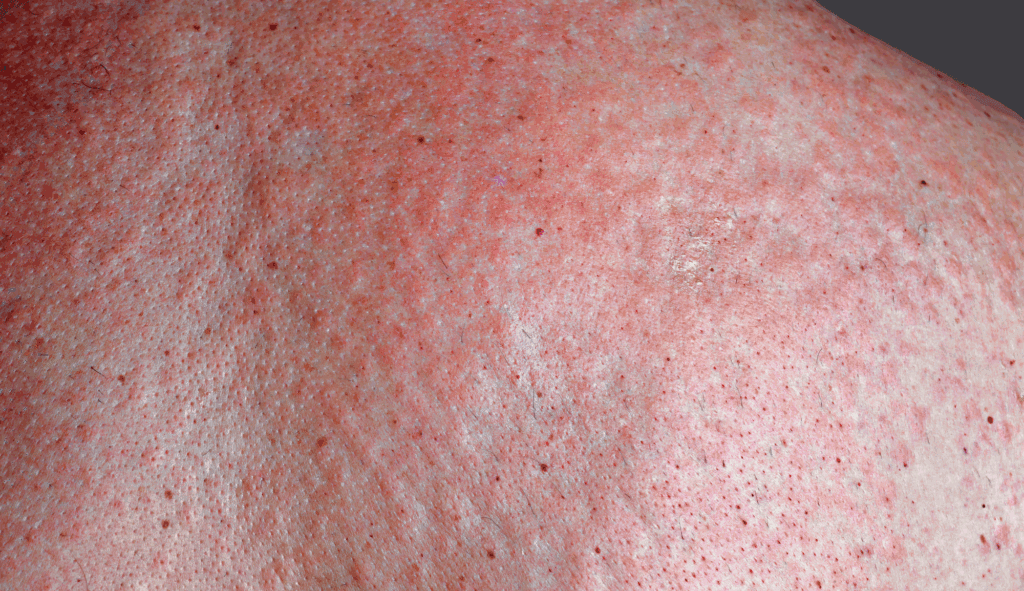
Mice infestations pose more than just household nuisances—they can also affect your health. A mouse infestation can lead to health issues, including skin rashes. Many people develop mysterious skin rashes without realizing that mice may be the cause. If you experience unexplained itching, redness, or irritation, learning about the connection between mice and skin rashes is essential.
This article will explore what causes skin rashes in mice, how to identify them, and the best ways to prevent and treat them. By taking the proper steps, you can protect yourself and your family from potential allergic reactions and infections caused by these rodents.
-
How Mice Cause Skin Rashes
Mice can cause skin rashes in different ways, including direct and indirect contact. Here are the main culprits:
- Allergic Reactions to Mice Dander and Droppings
Mice shed dander (tiny skin flakes) that can trigger allergies, leading to itchy, red skin.
Their droppings contain proteins that may cause rashes in sensitive individuals.
Airborne allergens from mouse urine and saliva can irritate the skin, even without direct contact.
Allergy medications can help manage symptoms caused by exposure to mice dander and droppings.
- Mite and Flea Infestations from Mice
- Infested mice often carry mites and fleas, which can bite humans and cause rashes.
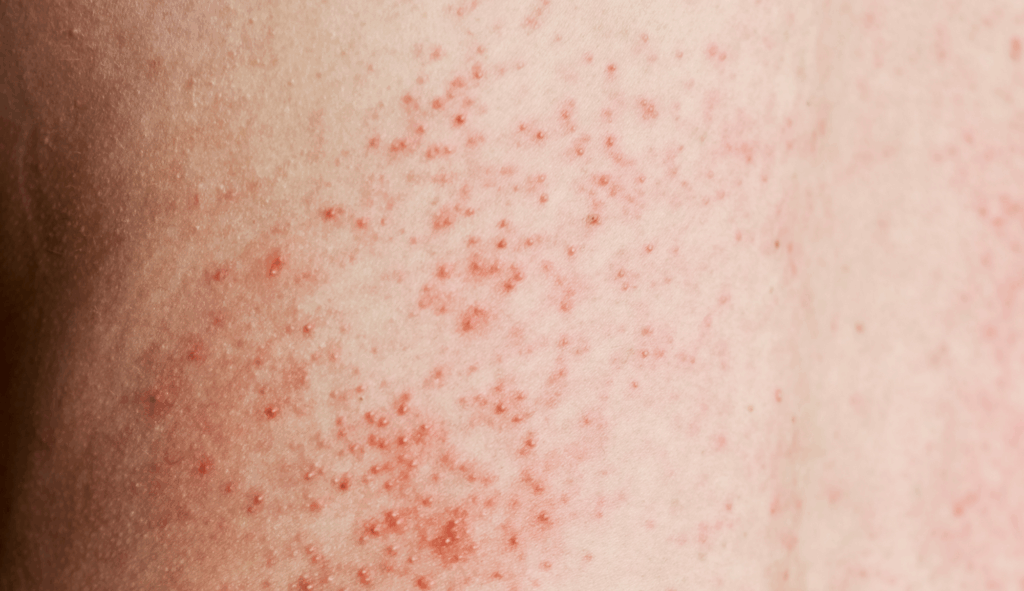
- Common symptoms include small, red bumps, intense itching, and localized swelling.
- These bites may become infected if scratched excessively.
- Identifyinga Skin Rash Caused by Mice
Recognizing a rash caused by mice exposure can help you seek the proper treatment. Here are the key signs to look for:
- Appearance of the Rash
- Red, itchy patches or bumps that may resemble hives.
- Small blisters or pustules if bacteria have entered the skin.
- A circular or scaly rash if a fungal infection is present.
- Location of the Rash
- Often appears on exposed areas like hands, arms, neck, and legs.
- It may spread if allergens are inhaled or contaminated bedding or clothing is used.
- Preventing Skin Rashes from Mice
Preventive measures can significantly reduce the risk of developing skin rashes in mice. Follow these steps to protect your home and health:
- EliminatingMice from Your Home
- Seal cracks and holes to prevent mice from entering. Wild mice can enter homes through these cracks and holes, leading to infestations.
- Keep food in airtight containers and clean up crumbs promptly.
- Set traps or use humane deterrents to control infestations.
- Cleaning and Sanitizing Affected Areas
- Wear gloves and a mask when cleaning mouse droppings or nesting areas.
- Use a disinfectant to wipe down surfaces where mice may have been.
- Wash bedding, curtains, and clothing in hot water to remove allergens.
- Reducing Exposure to Mouse Allergens
- Use an air purifier to filter out airborne allergens, including mice allergens.
- Vacuum regularly with a HEPA filter to capture dander and droppings.
- Consider professional pest control if the infestation persists.
- Treating a Skin Rash from Mice Exposure
Proper treatment can help relieve symptoms and prevent complications if you develop a rash.
- At-Home Remedies for Mild Rashes
- Apply anti-itch creams or calamine lotion to soothe irritation.
- Take an antihistamine if the rash is allergy-related.
- Use cool compresses to reduce redness and swelling.
- Over-the-counterand Prescription Treatments
- Hydrocortisone cream can help with itching and inflammation.
- Antibiotic ointments may be necessary if there are signs of infection.
- Antifungal creams should be used for ringworm or fungal-related rashes.
- For severe allergic reactions, allergy shots can be an option.
- Over-the-counter antihistamines can provide relief from mild allergy symptoms.
- Prescription medications may be required for more severe cases.
- Allergy immunotherapy can provide long-term relief by training the immune system to tolerate allergens.
- When to See aDoctor
- If the rash spreads or worsens despite treatment.
- If you experience fever, chills, or swollen lymph nodes.
- If the rash is painful, has pus, or shows signs of a severe allergic reaction.
Key Takeaways: Protect Yourself from Mice-Related Skin Rashes
✔ Mice can cause skin rashes through allergens, mites, fleas, and bacteria.
✔ Identifying symptoms early can help with proper treatment.
✔ Preventive measures like sealing entry points and maintaining cleanliness can reduce risks.
✔ Mild rashes can be treated at home, but severe symptoms require medical attention.
If you suspect your rash is related to mouse exposure, it’s important to seek professional advice. Don’t wait until the problem worsens—schedule an appointment today to get the right treatment and protect your health.
Book an allergy consultation here.
FAQ SECTION
Can mice really cause skin rashes?
Yes. Mice can cause skin rashes through allergens in their droppings, urine, and dander, as well as through mites and fleas they carry.
What does a mouse-related skin rash look like?
It often appears as itchy red patches, small bumps, or hive-like rashes on exposed skin such as arms, neck, and legs.
How do mouse mites affect humans?
Mouse mites can bite humans when mice are present, causing intense itching and small red bumps that resemble insect bites.
Will the rash go away once mice are removed?
In most cases, symptoms improve after removing the infestation and reducing allergen exposure, especially with proper medical treatment.
When should I see an allergy specialist?
If the rash keeps returning, worsens, or does not respond to basic treatment, an allergy evaluation at Enticare is recommended.