
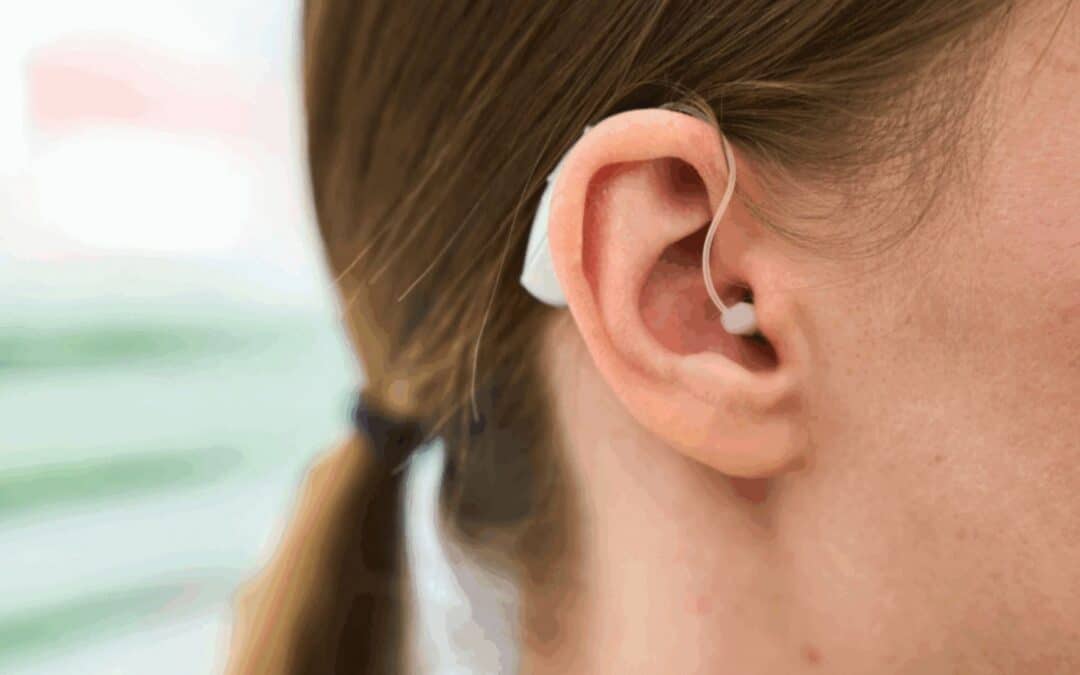
Hearing loss can be frustrating, and many people consider hearing aids to improve their quality of life. However, a common concern stops some hearing aid users from using them: Do hearing aids worsen your hearing? Some believe that using hearing aids will weaken their ears over time. Is this true, or is it just a myth?
Let’s explore the truth about hearing aids, how they impact your hearing, and why they might be the solution you need.
Understanding How Hearing Aids Work
-
Amplifying Sound, Not Weakening Hearing
Hearing aids amplify sound to help you hear better. They do not harm your ears or cause further hearing loss. Hearing aids help stimulate and exercise auditory nerve cells, which are essential for maintaining hearing health and slowing the progression of hearing loss.
They make sounds more straightforward by adjusting frequencies that you struggle to hear.
Without hearing aids, your brain has to work harder to process sound, leading to listening fatigue and cognitive decline.
-
Why Some People Feel Their Hearing Worsens
Many people say their hearing feels worse when they remove their hearing aids. This is because they get used to hearing more sounds; without them, the world suddenly seems quieter.
If you have progressive hearing loss, your hearing may naturally decline with or without hearing aids.
Improperly fitted or overly loud hearing aids can worsen hearing and create discomfort, so professional adjustments are necessary.
-
Adapting to Hearing Aids
- It takes time for your brain to relearn how to process sound when you wear hearing aids.
- Consistent use helps your brain adjust, making hearing easier over time.
- Some people stop using hearing aids because they expect instant improvement, but gradual adaptation is key.
Can Hearing Aids Damage Your Hearing?
-
When Used Correctly, Hearing Aids Are Safe
Modern hearing aids have volume control and automatic adjustments to prevent over-amplification. Noise-canceling technology protects users from loud, sudden noises that could cause hearing damage. They protect your hearing by ensuring sounds remain within a safe listening range. Audiologists program them specifically for your level of hearing loss.
-
The Risks of High Volume Levels
Like loud music or workplace noise, loud sounds at excessively high volumes can damage hearing.
This is why following your audiologist’s recommendations when setting your hearing aid volume is essential.
-
The Importance of Professional Fitting
- Poorly fitted hearing aids can cause discomfort, headaches, or ear ringing.
- Regular check-ups ensure that your hearing aids remain correctly adjusted to your needs.
The Consequences of Not Using Hearing Aids
-
Untreated Hearing Loss Leads to Cognitive Decline
- Studies show that untreated hearing loss increases the risk of dementia and memory problems.
- The brain relies on sound stimulation to stay sharp, and hearing aids help keep your brain active.
-
Increased Social Isolation
People with untreated hearing loss often withdraw from conversations and social events.
This can lead to feelings of loneliness, anxiety, and depression. Untreated hearing loss can significantly impact mental health, as it reduces social interaction and increases the risk of social isolation.
Hearing aids help improve communication, making social interactions more enjoyable.
-
Safety Concerns
- Difficulty hearing alarms, traffic, or conversations can pose serious safety risks.
- Hearing aids improve awareness of your surroundings, keeping you safer daily.
How to Get the Most Out of Your Hearing Aids
-
Choose the Right Hearing Aid for Your Needs
Different types of hearing aids cater to varying levels of hearing loss. Various models, such as ITC, IIC, CIC, and RIC hearing aids, fit within or connect to the ear canal, offering benefits in terms of visibility and functionality.
Work with an audiologist to find the best fit for your lifestyle.
-
Wear Them Consistently
- Wearing hearing aids only occasionally won’t allow your brain to adapt.
- Daily use ensures that you experience the full benefits.
-
Regular Maintenance and Adjustments
- Clean your hearing aids regularly to prevent wax buildup and blockages.
- Schedule follow-ups with your audiologist to fine-tune settings for optimal performance.
Key Takeaways
✅ Hearing aids do not worsen your hearing—they help improve it by providing necessary amplification.
✅ Properly fitted hearing aids protect your ears and prevent further strain on your brain.
✅ Untreated hearing loss can lead to cognitive decline, social isolation, and safety risks.
✅ Regular check-ups and proper maintenance ensure hearing aids work effectively over time.
Take Control of Your Hearing Health
Hearing aids do not damage your hearing; they help you hear the world more clearly and comfortably. Consulting a primary care physician is essential for making informed decisions about hearing aid options and determining when to seek professional care for sudden hearing loss or related symptoms. If you or a loved one is experiencing hearing loss, don’t let myths stop you from getting the help you need. Schedule a hearing consultation today and take the first step toward better hearing!
📅 Book an appointment now: Click here
FAQ SECTION
1. Do hearing aids make your hearing worse over time?
No. When properly fitted, hearing aids improve your hearing by amplifying sound safely and reducing brain strain.
2. Why does my hearing seem worse after removing my hearing aids?
You become used to amplified sound. When removed, the world feels quieter, but your hearing hasn’t worsened.
3. Can loud hearing aid settings cause hearing damage?
Only if volume levels are excessively high. Always follow your audiologist’s recommendations and schedule routine adjustments.
4. How often should I have my hearing aids checked?
At least once every 6–12 months to ensure proper fit, comfort, and function.
5. Where can I get hearing aids fitted safely in Arizona?
Visit Enticare for comprehensive hearing assessments, fittings, and long-term care at their Tempe or Mesa clinics.