
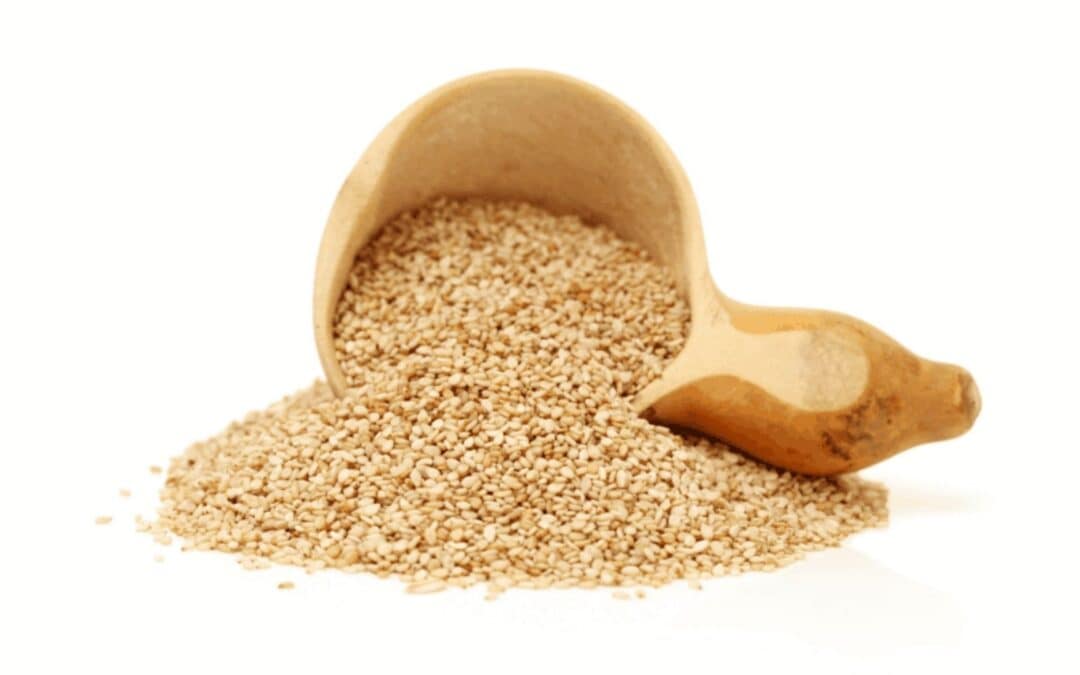
A sesame allergy occurs when the immune system mistakenly identifies sesame proteins as harmful. Eating or coming into contact with sesame can then trigger an allergic reaction.
Symptoms can range from mild itching or hives to a severe, life-threatening reaction called anaphylaxis. Knowing the symptoms, hidden sources of sesame, and steps to take after accidental exposure can help you manage a sesame allergy safely.
What Is a Sesame Allergy?
A sesame allergy is a type of food allergy. It occurs when the immune system reacts to proteins found in sesame seeds or sesame-containing foods.
Sesame is commonly used in foods around the world. It can be found in:
- Bread and baked goods
- Crackers and snack foods
- Hummus and tahini
- Sauces and dressings
- Asian, Middle Eastern, and African dishes
- Sesame oil
- Some processed foods
Sesame can sometimes be difficult to identify because it may appear under different names on ingredient lists.
In the United States, sesame is one of the nine major food allergens that must be clearly identified on packaged food labels.
How Common Is Sesame Allergy?
Sesame allergy affects both children and adults. Studies have estimated that about 0.2% of people in the United States have a sesame allergy.
Sesame has also become an increasing concern because it is widely used in foods and can sometimes be present in unexpected products.
What Are the Symptoms of a Sesame Allergy?
Sesame allergy symptoms can develop shortly after exposure, although the timing and severity can vary.
Common symptoms include:
Skin Symptoms
- Hives
- Itching
- Redness
- Swelling
- Eczema flare-ups
Digestive Symptoms
- Nausea
- Vomiting
- Diarrhea
- Stomach pain or cramping
Breathing and Nasal Symptoms
- Nasal congestion
- Runny nose
- Coughing
- Wheezing
- Shortness of breath
Other Symptoms
- Dizziness
- Lightheadedness
- Feeling faint
Some people may experience symptoms involving more than one part of the body.
Can Sesame Allergy Cause Anaphylaxis?
Yes. A sesame allergy can cause anaphylaxis, a severe allergic reaction that can become life-threatening.
Signs of anaphylaxis may include:
- Difficulty breathing
- Throat tightness or swelling
- Swelling of the tongue or lips
- Wheezing
- A sudden drop in blood pressure
- Severe dizziness or fainting
- Rapid or weak pulse
Anaphylaxis requires immediate emergency treatment.
If you have been prescribed an epinephrine auto-injector, use it as directed for a severe allergic reaction and seek emergency medical care immediately.
What Causes a Sesame Allergy?
A sesame allergy develops when the immune system reacts to proteins in sesame.
During an allergic reaction, the immune system can release chemicals such as histamine. This can cause symptoms such as itching, hives, swelling, digestive problems, and breathing difficulties.
The exact reason why some people develop sesame allergies is not always known.
Having other food allergies or a family history of allergic conditions may increase the likelihood of developing food allergies.
How Is Sesame Allergy Diagnosed?
If you think you may be allergic to sesame, an allergist can evaluate your symptoms and medical history.
Testing may include:
Skin Prick Test
A small amount of an allergen is placed on the skin. The area is then monitored for signs of an allergic reaction.
Blood Test
A blood test can measure sesame-specific IgE antibodies.
Oral Food Challenge
During an oral food challenge, a patient consumes carefully measured amounts of a suspected allergen under close medical supervision.
This test can help confirm or rule out a food allergy when other testing does not provide a clear answer.
Food challenges should only be performed under appropriate medical supervision.
Accurate diagnosis is important because avoiding foods unnecessarily can make eating more difficult and may affect nutrition and quality of life.
How Is Sesame Allergy Treated?
There is currently no guaranteed cure for sesame allergy. The main approach is to avoid sesame and be prepared to treat an allergic reaction if accidental exposure occurs.
Avoid Sesame
If you have a confirmed sesame allergy, carefully avoid foods that contain sesame or ingredients derived from sesame.
Read food labels every time you purchase a product because ingredients and formulations can change.
Carry Epinephrine
People at risk of anaphylaxis may be prescribed an epinephrine auto-injector.
Keep it available and make sure you know how to use it. Family members, caregivers, teachers, and other people who regularly spend time with you or your child should also know about the allergy and emergency plan.
Have an Allergy Action Plan
An allergy action plan can explain:
- Which symptoms to watch for
- When to use epinephrine
- When to seek emergency care
- Who should be contacted during an emergency
Your allergist can help you develop an appropriate plan.
Hidden Sources of Sesame
Sesame is used in many foods, and it may not always be obvious from the appearance of a product.
Potential sources include:
- Bread and hamburger buns
- Bagels
- Crackers
- Granola and snack bars
- Hummus
- Tahini
- Sauces and dressings
- Asian and Middle Eastern dishes
- Seasoned foods
- Some processed foods
- Sesame oil
When eating at a restaurant, tell the staff about your sesame allergy. Ask about ingredients, sauces, marinades, and how the food is prepared.
What Names Can Sesame Have on Food Labels?
Sesame may appear on an ingredient list under several names.
Examples can include:
- Sesame
- Sesame seeds
- Sesame oil
- Tahini
- Sesame flour
- Sesame paste
Because ingredients can vary between products, always check the label carefully.
In the United States, sesame must be identified as an allergen on packaged food labels under the Food Allergy Safety, Treatment, Education, and Research (FASTER) Act.
Can Sesame Oil Cause an Allergic Reaction?
Yes, sesame oil can cause an allergic reaction in some people with sesame allergy.
The amount of allergenic protein remaining in sesame oil can vary depending on how the oil is processed. Because individual sensitivity also varies, people with confirmed sesame allergy should discuss sesame oil with their allergist rather than assuming that every type of sesame oil is safe.
Do not introduce sesame oil into your diet as a test on your own.
What Foods Should You Avoid With a Sesame Allergy?
People with a confirmed sesame allergy may need to avoid foods containing sesame or sesame-derived ingredients.
Common examples include:
Baked Goods
- Bread
- Bagels
- Buns
- Crackers
- Pastries
Sauces and Spreads
- Tahini
- Hummus
- Some sauces
- Some salad dressings
Prepared Foods
- Some Asian dishes
- Some Middle Eastern dishes
- Some African dishes
- Certain processed or packaged foods
The safest approach is to read labels carefully and ask questions when eating food prepared by someone else.
Sesame Allergy and Cross-Reactivity
People sometimes assume that a sesame allergy means they must automatically avoid other seeds or nuts. That is not always the case.
Some people with sesame allergy may also have other food allergies, but a sesame allergy does not automatically mean that you are allergic to peanuts, tree nuts, sunflower seeds, or poppy seeds.
If you are concerned about other foods, talk with an allergist before eliminating them from your diet.
An allergist can determine which foods you actually need to avoid based on your medical history and, when appropriate, allergy testing.
Occupational Exposure to Sesame
People who work with sesame in certain environments may have repeated exposure to sesame dust or particles.
This can be a concern in industries such as:
- Baking
- Food manufacturing
- Food preparation
If you develop allergy symptoms at work, discuss them with a healthcare professional. An allergist can help determine whether your symptoms may be related to workplace exposure.
Living With a Sesame Allergy
Managing a sesame allergy requires planning, but there are steps you can take to reduce your risk of accidental exposure.
At Home
- Read food labels carefully.
- Keep sesame-containing foods separate when appropriate.
- Teach family members about the allergy.
- Know how to use prescribed emergency medication.
When Dining Out
- Tell restaurant staff about your allergy.
- Ask about ingredients and food preparation.
- Ask whether sesame is used in sauces, marinades, toppings, or cooking oils.
- Avoid foods when staff cannot provide enough information about the ingredients.
At School or Work
Make sure teachers, coworkers, caregivers, or other responsible adults know about the allergy when appropriate.
Provide an emergency action plan and prescribed medication as recommended by your healthcare provider.
Preventing Accidental Sesame Exposure
The best way to reduce the risk of a sesame allergy reaction is to avoid sesame and prepare for accidental exposure.
Keep these steps in mind:
- Read food labels carefully.
- Ask questions when eating outside the home.
- Know the different names for sesame ingredients.
- Tell people around you about the allergy.
- Keep prescribed epinephrine available.
- Follow your allergist’s emergency action plan.
When Should You See an Allergist?
Consider seeing an allergist if you:
- Develop hives, swelling, vomiting, or breathing problems after eating sesame
- Have had a reaction to a food containing sesame
- Are unsure whether sesame is causing your symptoms
- Need allergy testing
- Need help creating an allergy action plan
- Want guidance on foods you should avoid
An allergist can help determine whether your symptoms are caused by sesame allergy and recommend an appropriate management plan.
Key Takeaways
- Sesame allergy is a food allergy that can cause mild to severe reactions.
- Symptoms may include hives, itching, swelling, digestive problems, and breathing difficulties.
- Sesame allergy can cause anaphylaxis, which requires immediate treatment.
- Sesame can be found in bread, baked goods, sauces, tahini, hummus, processed foods, and other products.
- Always read food labels and ask about ingredients when dining out.
- Sesame oil may cause reactions in some people with sesame allergy.
- A sesame allergy does not automatically mean you are allergic to other seeds or nuts.
- Allergy testing can help confirm whether sesame is causing your symptoms.
- People at risk of severe reactions should carry prescribed epinephrine and follow their emergency action plan.
If you or a loved one suspects a sesame allergy, an allergist can help identify the cause of your symptoms and develop a personalized management plan.
Visit Enticare Allergy Services to learn more about allergy testing and treatment options.
Frequently Asked Questions About Sesame Allergy
What are the first signs of a sesame allergy?
Early symptoms may include itching, hives, redness, swelling, nausea, vomiting, or stomach pain. Some people may also develop nasal or breathing symptoms.
Can sesame oil trigger an allergic reaction?
Yes. Sesame oil can cause an allergic reaction in some people with sesame allergy. The amount of allergenic protein can vary depending on how the oil is processed, so ask your allergist whether you should avoid sesame oil.
How is a sesame allergy diagnosed?
An allergist may use your medical history, a skin prick test, a blood test, or an oral food challenge to evaluate a suspected sesame allergy.
What foods should I avoid if I have a sesame allergy?
You may need to avoid foods containing sesame, including some breads, bagels, crackers, sauces, hummus, tahini, and prepared foods. Always check ingredient labels and ask about ingredients when eating out.
Is sesame a major food allergen in the U.S.?
Yes. Sesame became the ninth major food allergen recognized under U.S. federal food labeling requirements on January 1, 2023. Packaged foods covered by the law must identify sesame when it is used as an ingredient.
How can Enticare help with sesame allergies?
Enticare’s allergy specialists can evaluate suspected allergies, recommend appropriate testing, and help develop a personalized allergy management plan based on your symptoms and medical history.