
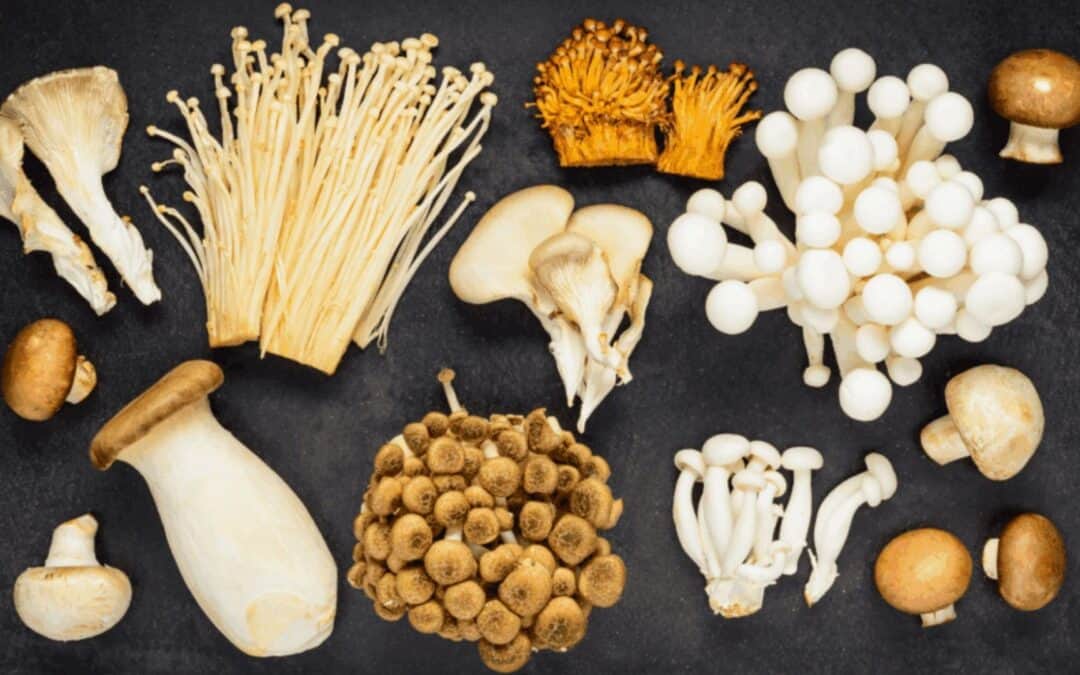
Mushrooms have long been celebrated for their unique flavors and nutritional benefits, making them a staple in various cuisines worldwide. However, the question arises: Is it safe and beneficial to consume raw mushrooms? This comprehensive guide delves into the safety, advantages, and potential risks of eating raw mushrooms, helping you make informed dietary choices.
Understanding the Nutritional Profile of Mushrooms
Consuming mushrooms is not only versatile in the kitchen but also packs a variety of nutrients essential for health.
Vitamins and Minerals
- B Vitamins: Mushrooms are rich in B vitamins such as riboflavin (B2), niacin (B3), and pantothenic acid (B5), which play crucial roles in energy metabolism and brain function.
- Vitamin D: Certain mushrooms, especially when exposed to sunlight, are good sources of vitamin D, vital for bone health and immune support.
- Minerals: They provide essential minerals like selenium, potassium, and copper, contributing to antioxidant defense, nerve function, and red blood cell production.
Antioxidants and Fiber
- Antioxidants: Mushrooms contain antioxidants such as ergothioneine and glutathione, which help combat oxidative stress and may reduce the risk of chronic diseases.
- Dietary Fiber: The fiber content in mushrooms supports digestive health and maintains steady blood sugar levels.
While these nutrients are present in raw mushrooms, their bioavailability may increase upon cooking, enhancing absorption and utilization by the body.
Is Eating Raw Mushrooms Safe?
Eating raw mushrooms can be safe, but knowing which types are safe to consume is essential. While many commonly consumed mushrooms are safe to eat raw, others may pose health risks. It’s crucial to research the type of mushroom before consuming it to ensure it is safe to eat. Some mushrooms, like shiitake and oyster mushrooms, are safe to eat raw. In contrast, others, like reishi and boletus mushrooms, should be cooked before consumption.
Can Humans Digest Raw Mushrooms?
Humans can digest many forms of raw mushrooms, but some may cause digestive issues or allergic reactions. Mushrooms contain a compound called chitin, which is broken down by enzymes called chitinases. Chitinases defend against chitin-based parasites and safeguard the digestive and reproductive systems. However, some people may experience digestive discomfort or allergic reactions when consuming raw mushrooms, so it’s essential to start with small portions and monitor body reactions.
Potential Risks of Consuming Raw Mushrooms
Despite their nutritional benefits, raw mushrooms carry certain risks that warrant consideration.
Presence of Natural Toxins
- Agaritine: Found in common varieties like white button mushrooms, agaritine is a naturally occurring compound that has shown potential carcinogenic effects in animal studies. Cooking significantly reduces its levels, thereby decreasing potential risks.
- Hydrazine Derivatives: Certain wild mushrooms contain toxic hydrazine compounds that can cause severe health issues if ingested raw.
Digestive Challenges
- Chitin Content: Mushroom cell walls contain chitin, a fibrous substance humans struggle to digest. Consuming raw mushrooms can lead to digestive discomfort, including bloating and gas. Cooking helps break down chitin, making mushrooms easier to digest.
Risk of Bacterial Contamination
- Pathogens: Raw mushrooms can harbor harmful bacteria such as Salmonella and E. coli, which may lead to foodborne illnesses. Proper cooking eliminates these pathogens, ensuring the mushrooms are safe to eat.
Benefits of Eating Raw Mushrooms
Eating raw mushrooms can provide several health benefits, including increased antioxidant intake and improved nutrient absorption. Raw mushrooms contain higher levels of certain vitamins, like vitamin C and some B, than cooked mushrooms. Additionally, raw mushrooms can be a good source of fiber, protein, and essential nutrients like potassium, riboflavin, and niacin. However, it’s essential to note that cooking mushrooms can also provide health benefits, such as increased bioavailability of nutrients and improved digestibility.
Types of Mushrooms That Can Be Eaten Raw
Several types of mushrooms are safe to eat raw, including:
Benefits of Cooking Mushrooms
Cook mushrooms to not only mitigate potential risks but also enhance their culinary and nutritional value.
Enhanced Nutrient Absorption
- Improved Bioavailability: Heat breaks down tough cell walls, releasing nutrients and making them more accessible for absorption. This process increases the availability of proteins, vitamins, and minerals.
Reduction of Harmful Compounds
- Decreased Toxin Levels: Cooking methods such as boiling, frying, or microwaving can significantly reduce the content of harmful compounds like agaritine, making mushrooms safer for consumption.
Improved Digestibility and Flavor
- Texture and Taste: Cooking enhances the texture and brings out the umami flavor of mushrooms, making them a delightful addition to various dishes.
Safe Practices for Mushroom Consumption
To enjoy mushrooms safely and reap their full benefits, it’s crucial to identify which varieties are safe to eat raw, as not all mushrooms are suitable for uncooked consumption. Consider the following guidelines:
Proper Identification and Sourcing
- Avoid Wild Foraging: Unless you are an expert in mycology, refrain from consuming wild mushrooms, as misidentification can lead to severe poisoning.
- Purchase from Reputable Sources: Buy mushrooms from trusted retailers to ensure they are safe and properly handled.
Thorough Cooking Methods
- Sautéing, Boiling, or Roasting effectively reduces harmful compounds and bacteria. Ensure mushrooms are cooked at sufficient temperatures to achieve these benefits.
Proper Storage and Handling
- Refrigeration: Store fresh mushrooms in the refrigerator and use them within a week to maintain freshness and prevent spoilage.
- Cleaning: Clean mushrooms with a damp cloth or rinse briefly under water before cooking to remove dirt and potential contaminants.
Key Takeaways
- Nutrient-Rich: Mushrooms offer essential vitamins, minerals, antioxidants, and fiber that benefit health.
- Cooking Enhances Safety: Cooking reduces natural toxins and eliminates harmful bacteria, making mushrooms safer to consume.
- Improved Digestibility: Heat treatment breaks down indigestible compounds, aiding in better nutrient absorption and reducing digestive discomfort.
- Avoid Raw Consumption: Due to potential risks, consuming mushrooms cooked rather than raw is advisable.
In conclusion, while mushrooms are a nutritious and delicious addition to your diet, consuming them raw may pose certain health risks. Cooking mushrooms enhances their safety by reducing harmful compounds and bacteria and improves their digestibility and nutritional value. To fully enjoy the benefits of mushrooms, it’s best to incorporate them into your cooked meals, ensuring a delightful and healthful culinary experience.
FAQ Section
1. Is it safe to eat raw mushrooms?
Some mushrooms are safe to eat raw, like white button or cremini, but others may contain toxins or cause digestive discomfort. Cooking mushrooms significantly reduces potential risks.
2. Do raw mushrooms have more nutrients than cooked ones?
While raw mushrooms retain some heat-sensitive vitamins, cooking increases overall nutrient absorption and eliminates harmful compounds.
3. Can eating raw mushrooms cause stomach issues?
Yes. Mushrooms contain chitin, which is hard to digest. Cooking helps break it down, making them easier on your digestive system.
4. Which mushrooms should never be eaten raw?
Avoid eating wild mushrooms, reishi, or boletus raw. Always verify the mushroom type and source before consuming.
5. How does cooking improve mushroom safety?
Cooking mushrooms reduces bacteria like E. coli and Salmonella, lowers toxin levels, and enhances flavor and texture.