
Dealing with a rash caused by black walnut exposure can be frustrating and uncomfortable, especially if it triggers an allergic reaction. You might feel helpless as redness, itching, or inflammation disrupt your day-to-day life. The good news? Relief is possible with the right approach. In this guide, you’ll discover practical ways to manage black walnut skin rashes, prevent future reactions, and regain control over your skin health.
Understanding Black Walnut Rashes
What Causes the Allergic Reactions?
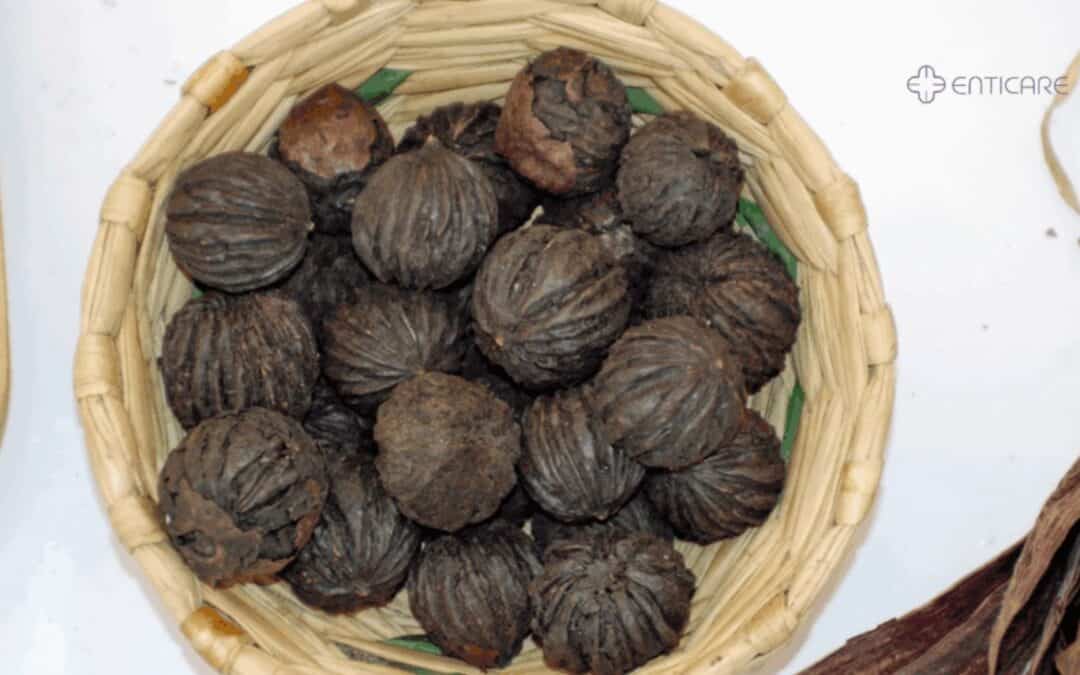
Black walnut trees produce juglone, a chemical that irritates sensitive skin. Contact with leaves, nuts, or bark from the black walnut tree can trigger redness, itching, or blisters.
Common Symptoms to Watch For
Symptoms usually include:
- Red, itchy patches of skin
- Swelling or small blisters
- Dry, flaky areas as the rash heals
- Nasal congestion
Who Is Most at Risk?
People with sensitive skin or prone to allergic reactions to juglone face a higher risk. Those regularly handling black walnut wood or gardening near these trees also encounter increased exposure.
For more detailed insights into the effects of juglone on human skin, check out this resource.
Immediate Steps After Exposure
Wash the Affected Area
Rinse your skin with lukewarm water and mild soap as soon as possible to prevent further skin irritation. This step removes the juglone before it penetrates deeply.
Avoid Scratching to Prevent Skin Irritation
Scratching worsens irritation and may cause infection. Instead, gently pat the skin dry and apply soothing creams.
Use Cold Compresses
To reduce inflammation, apply a clean, cold compress to the rash. Hold it in place for 10-15 minutes, and repeat as needed.
Effective Treatment Options
Over-the-Counter Remedies
- Hydrocortisone Cream: This topical treatment calms itching and reduces swelling.
- Calamine Lotion: It offers soothing relief for mild symptoms.
- Antihistamines: Oral allergy medications like cetirizine help manage itching and inflammation.
Home Remedies to Try
- Oatmeal Baths: Add ground oats to lukewarm bathwater to soothe irritated skin and alleviate symptoms of black walnut skin rashes.
- Aloe Vera Gel: Apply fresh aloe to the rash for cooling relief.
- Apple Cider Vinegar: Dab a diluted solution onto the rash to fight inflammation and bacteria.
When to Seek Medical Help
Consult a healthcare provider if:
- The rash worsens after home treatment.
- You notice signs of infection like pus or fever.
- The rash spreads to sensitive areas, such as the face or groin.
- Consider allergy shots for long-term relief if you experience frequent or severe reactions.
Testing and Diagnosis
Identifying and managing walnut tree allergies starts with accurate testing and diagnosis. Understanding the root cause of your symptoms is essential for effective treatment and long-term relief.
Preventing Black Walnut Rashes
Wear Protective Clothing
Long sleeves, gloves, and pants are barriers when gardening or working near black walnut trees.
Use Barrier Creams
To prevent skin reactions, apply barrier creams to exposed skin before engaging in activities near black walnut trees. These creams reduce the skin’s absorption of irritants.
Stay Alert to Your Surroundings
Learn to identify black walnut trees and avoid direct contact with their bark, leaves, and nuts.
Learn more about protective measures against skin irritants.
Building Long-Term Resilience
Strengthen Your Skin’s Barrier
Hydrate your skin daily with moisturizers that restore and protect its natural barrier. Look for ingredients like ceramides and hyaluronic acid.
Boost Your Immunity
Eat a balanced diet rich in antioxidants, vitamins, and omega-3 fatty acids to promote a healthy immune response and reduce inflammation. These nutrients also contribute to healthier skin.
Keep Your Environment Safe
Regularly clear black walnut leaves and debris from your yard. Dispose of them properly to limit exposure.
Key Takeaways
- Black walnut rashes occur due to contact with juglone, a natural irritant in the tree.
- Quick action, such as washing the affected area and applying cold compresses, minimizes irritation.
- Treatment options range from over-the-counter creams to soothing home remedies.
- Prevention methods, including protective clothing and barrier creams, reduce the risk of future rashes.
- Healthy habits and a clean environment strengthen long-term skin resilience.
Conclusion
You don’t have to let black walnut rashes control your life. Proper care and preventive measures allow you to protect your skin and enjoy outdoor activities without worry. For persistent symptoms or professional guidance, take the next step. Schedule an appointment with Enticare’s allergy specialists today to find lasting relief.
FAQ
Q1: What causes a rash from black walnut trees?
A: The chemical juglone in black walnut trees irritates sensitive skin, leading to rashes, itching, and redness.
Q2: How long does a black walnut rash last?
A: Mild rashes may clear up in a few days with treatment, but more severe cases can last up to two weeks.
Q3: Can black walnut rashes spread?
A: They don’t spread from person to person, but additional exposure to juglone can worsen the rash.
Q4: What home remedies can help?
A: Oatmeal baths, aloe vera, and cold compresses soothe irritation and reduce itching.
Q5: When should I see a doctor?
A: If the rash worsens, spreads to sensitive areas, or shows infection signs like pus or fever, consult Enticare for specialized care.