
Have you ever wondered why your body produces earwax? Or is it related to the sweat glands? These questions might sound unusual, but the answers offer fascinating insights into your body’s workings. Earwax, or cerumen, serves more than just an aesthetic nuisance. It plays a vital role in protecting your ears. But is earwax actually a type of sweat? Let’s unravel this mystery.
How Does the Body Create Earwax?
Your body produces ear wax through specialized glands in your ear canal. Let’s break this process into simple, digestible parts:
-
The Role of Ceruminous Glands
Ceruminous glands in the outer ear canal secrete a substance that combines with dead skin cells to form earwax. These glands belong to the same family as sweat glands but differ slightly in function.
-
Sebaceous Glands and Their Contribution
Sebaceous glands, which secrete oily substances, also contribute to earwax. They work with ceruminous glands to ensure that earwax maintains its protective properties.
-
How Earwax Protects Your Ears
Earwax traps dust, dirt, and other particles, preventing them from reaching your eardrum. It also has antibacterial properties that reduce the risk of infection. So, while it might seem gross, earwax is your ear’s first line of defense.
Improper cleaning can lead to abrasions in the ear canal, increasing the risk of ear infection.
Is Earwax Really Sweat?
To answer the burning question, let’s dive into the relationship between earwax and sweat:
-
Sweat Glands vs. Ceruminous Glands
Ceruminous glands, which produce earwax, are modified apocrine sweat glands. This means they evolved from sweat glands but now serve a different function. Unlike regular sweat glands that regulate body temperature, ceruminous glands focus on ear protection.
-
Chemical Composition Comparison
Sweat contains water, salts, and a small amount of protein. Earwax, on the other hand, consists of fatty acids, alcohols, and dead skin cells. While both come from glandular secretions, their compositions differ significantly.
-
Why the Connection Matters
Understanding the link between sweat and ceruminous glands highlights how our bodies adapt and specialize. It also explains why earwax production varies among individuals, just as sweat levels do.
How to Manage Earwax Effectively
Managing earwax doesn’t require complicated tools or methods. Here’s how you can take care of your ears without causing harm:
An ear bulb syringe is recommended as a safe tool for removing earwax.
-
Safe Methods for Earwax Removal
When cleaning your ears, it is crucial to avoid inserting objects into the canals. Instead, consider using mechanical removal techniques like curettes and ear picks or modern battery-operated devices designed to visualize the process within the canals.
Avoid ear candling due to its associated health risks, including injuries and infections.
-
Symptoms of Earwax Buildup
Excessive earwax can lead to mild conductive hearing loss, itchiness, and dizziness. If left untreated, earwax buildup can also lead to ear pain.
-
Professional Earwax Removal
If you experience significant earwax blockage, it’s best to consult a healthcare professional. They can safely remove earwax blockage without causing damage to your ears.
Recognizing symptoms of excess earwax is essential for maintaining ear health.
-
Avoid Cotton Swabs
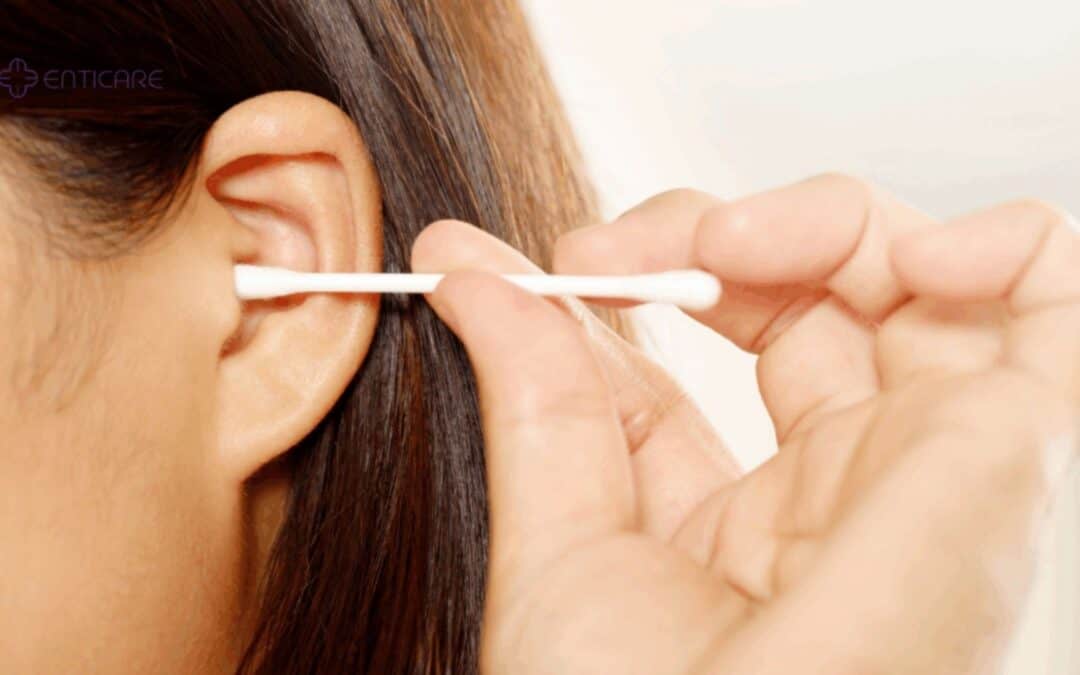
Many people use cotton swabs to clean their ears, but this practice pushes earwax further into the canal, which can lead to blockages and even damage to the eardrum.
-
Try Ear Drops
Over-the-counter ear drops can soften earwax, making it easier to remove naturally. These drops usually contain mineral oil or hydrogen peroxide to break down the wax.
-
Visit a Professional
Consult an audiologist or ENT specialist when earwax builds up excessively or causes discomfort. Professionals use safe techniques to remove impacted earwax without risking your hearing.
Common Myths About Earwax
Let’s debunk some of the common myths surrounding the types of earwax:
-
Myth: Earwax Means Dirty Ears
Truth: Earwax is natural and healthy. It shows your ears are functioning correctly.
-
Myth: Earwax Always Needs Removal
Truth: Most earwax clears itself out. Removing it frequently can disrupt your ear’s natural balance.
-
Myth: All Earwax Looks the Same
Truth: Earwax varies in color and consistency, and there are different types of earwax. Genetics, diet, and environment can influence its appearance.
The Link Between Earwax and Your Health
-
Earwax and Health
1.1 Earwax Impaction
Earwax impaction occurs when earwax builds up in the ear canal to the point where it causes symptoms. This can lead to discomfort, hearing loss, and even infections. Hearing aids can exacerbate earwax impaction by blocking its natural exit from the ear canal.
1.2 Earwax Blockage
Earwax blockage can cause various issues, from temporary hearing loss to infections. It can also disrupt the transmission of sound vibrations through the ear canal to the inner ear, leading to hearing difficulties.
1.3 Types of Earwax
The type of earwax you have is genetically determined. There are two types: the wet type, which is dominant and characterized by its viscous and sticky consistency with higher lipid content, and the dry type, which is recessive and noted for being gray or tan and brittle with a lower lipid concentration. Ethnic variations also play a role, with specific populations more likely to have one type.
- Wet vs. Dry Earwax
Genetics determine whether you have wet or dry earwax. Studies have shown that damp earwax is more common among people of African or European descent. In contrast, dry earwax is prevalent in East Asian populations. Source
- Odor Changes
A firm or unusual smell from earwax might indicate an infection or other health issue. Don’t ignore these signs. Additionally, earwax blockage can disrupt sound transmission to the inner ear, potentially leading to temporary hearing loss.
- Excessive Earwax Production
Excessive earwax might result from environmental factors like exposure to dust or wearing earbuds for extended periods, and the type of earwax can also play a role. Address these triggers to reduce buildup.
Key Takeaways:
- Earwax, or cerumen, comes from specialized sweat glands but serves a distinct function.
- It protects your ears from debris and infections while maintaining ear health.
- Avoid over-cleaning your ears; consult a professional if earwax buildup causes discomfort.
- Your earwax type and production levels depend on genetics and lifestyle.
Take the Next Step
Are you experiencing ear discomfort or suspecting excessive earwax buildup? Don’t wait. Schedule an appointment with our audiologists to keep your ears healthy. Visit Enticare Hearing today for expert care and advice.
FAQ Section
Q: Is earwax really a form of sweat?
A: Earwax comes from ceruminous glands, which are modified sweat glands. While related, earwax serves a unique function in ear protection.
Q: Should I clean my ears daily?
A: No. Your ears are self-cleaning. Over-cleaning can push wax deeper and cause damage.
Q: What are the safe ways to remove earwax?
A: Use an ear bulb syringe or ear drops. Avoid cotton swabs or ear candling.
Q: What does smelly earwax mean?
A: A strong odor may signal an infection. See a professional if symptoms persist.
Q: Can genetics affect my earwax?
A: Yes. Your earwax type (wet or dry) is determined by your genes, which also affect how much you produce.