
The Basics of Tinnitus and Dementia: What Are They?
What Is Tinnitus?
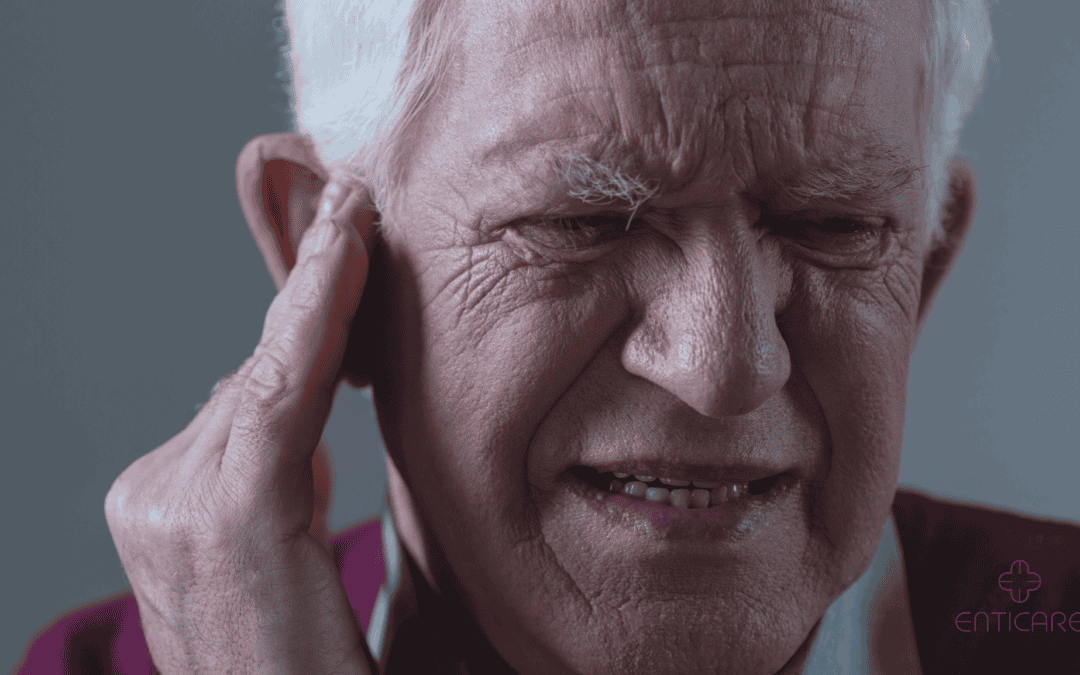
Tinnitus is the perception of noise in the ears or head when there is no external sound source. It may sound like ringing, buzzing, or hissing.
Tinnitus can range from mild to severe. It affects millions of people worldwide and can have several possible causes, including:
- Exposure to loud noises
- Ear infections
- Stress
- Hearing loss
Understanding Dementia
Dementia is not a single disease. It is a general term for symptoms that affect memory, problem-solving, and other thinking skills.
Dementia can interfere with daily life. Alzheimer’s disease is the most common form, but other types, such as vascular dementia, can also occur.
Alzheimer’s disease is a neurodegenerative disorder linked to progressive cognitive decline. It can also involve behavioral and mental health changes, along with sensory problems such as hearing loss.
Exploring the Link Between Tinnitus and Dementia
Emerging research has explored a possible connection between tinnitus and an increased risk of dementia. Researchers believe that the ongoing strain caused by tinnitus may affect brain function in some people.
A study published in Frontiers in Aging Neuroscience also suggests that persistent tinnitus may contribute to changes in brain function associated with cognitive decline.
However, tinnitus does not mean that a person will develop dementia. More research is needed to better understand the relationship between the two conditions.
How Tinnitus May Affect Brain Health
Overstimulation of the Brain
Tinnitus and hearing loss can cause the brain’s auditory system to remain highly active. Because tinnitus creates a constant perception of sound, the brain continues to process it even when there is no external noise.
This ongoing activity may require additional mental effort. Over time, this can contribute to mental fatigue and make it harder to focus on tasks such as:
- Remembering information
- Solving problems
- Maintaining attention
- Processing conversations
Sleep Disruption and Cognitive Health
Tinnitus can also interfere with sleep. Persistent ringing or buzzing may make it difficult to fall asleep or stay asleep.
Poor sleep can contribute to:
- Fatigue
- Mood changes
- Difficulty concentrating
- Reduced mental clarity
Because restful sleep plays an important role in memory and cognitive health, managing tinnitus-related sleep problems is an important part of overall well-being.
The Science Behind the Tinnitus-Dementia Connection
Structural Brain Changes
Age-related hearing loss and tinnitus may be linked to changes in certain areas of the brain.
MRI studies have found structural differences in the gray matter of some people with chronic tinnitus. Gray matter plays an important role in memory and cognitive processing.
These changes may help researchers understand how tinnitus could be related to cognitive health. However, they do not prove that tinnitus directly causes dementia.
Altered Brain Wave Patterns
Researchers have also observed changes in brain wave activity among people with tinnitus.
Some tinnitus patients show increased activity in certain frequency ranges, including areas involved in attention and memory. These changes may reflect the mental effort required to process tinnitus.
More research is needed to fully understand how these brain changes relate to cognitive decline and dementia.
Protecting Your Brain and Hearing Health
Prioritize Hearing Health
Regular hearing checks can help identify hearing loss and tinnitus early.
If tinnitus is caused or worsened by hearing loss, an audiologist can help identify possible causes and recommend ways to manage the symptoms.
Treatment options may include:
- Hearing aids
- Sound therapy
- Other tinnitus management strategies
Managing hearing loss and tinnitus can help reduce their impact on daily life.
Practice Brain-Boosting Activities
Keeping your brain active can support cognitive health. Try activities that challenge your memory, attention, and problem-solving skills, such as:
- Reading
- Solving puzzles
- Learning new skills
- Practicing memory exercises
Regular mental stimulation can help support cognitive function, particularly as you age.
Improve Sleep and Reduce Stress
Good sleep habits can help reduce the impact of tinnitus and support brain health.
Try to:
- Follow a consistent sleep schedule
- Create a relaxing bedtime routine
- Make your bedroom comfortable and quiet
- Practice relaxation or mindfulness techniques
- Stay physically active
Reducing stress may also make tinnitus less noticeable and easier to manage.
Seeking Professional Help: Why Early Intervention Matters
Comprehensive Hearing and Cognitive Assessments
If you experience tinnitus, hearing loss, or changes in cognitive function, consider seeking a professional evaluation.
An audiologist can assess your hearing and tinnitus and recommend appropriate treatment options. Some hearing health providers may also offer cognitive assessments alongside hearing evaluations.
Early assessment can help identify potential concerns and determine the right next steps.
Exploring Tinnitus Management Options
Several approaches can help people manage tinnitus.
Sound therapy uses external sounds to help mask or reduce awareness of tinnitus. This may make persistent ringing or buzzing less noticeable.
Cognitive behavioral therapy (CBT) can help change how a person responds to tinnitus. It may reduce the emotional distress associated with persistent tinnitus and make the condition feel less intrusive.
A hearing professional can help determine which options may be appropriate for your needs.
Take Action for Better Hearing and Cognitive Health
Tinnitus and dementia have been linked in emerging research, but tinnitus does not mean that you will develop dementia. Understanding the possible connection can encourage you to take proactive steps toward better hearing and cognitive health.
Regular hearing assessments, healthy sleep habits, stress management, and appropriate tinnitus treatment can help you manage symptoms and support your overall well-being.
If you’re experiencing tinnitus or changes in your hearing, don’t wait to seek professional guidance.
Ready to take the next step in managing your hearing health?