
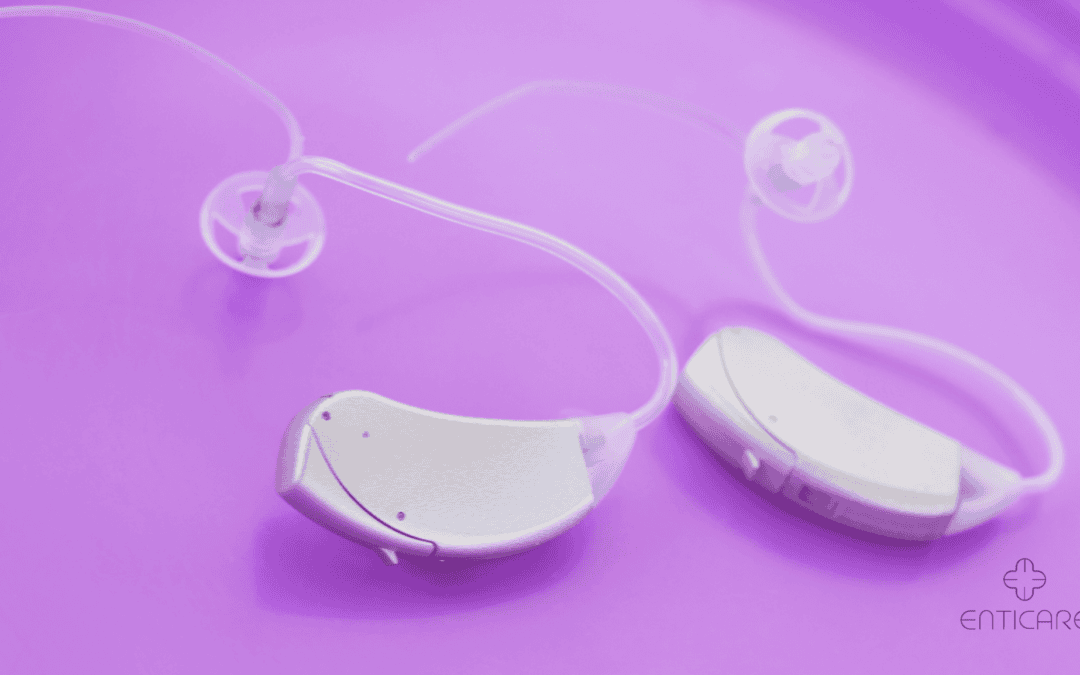
New hearing aid technology has changed how people manage hearing loss. Modern hearing aids do more than amplify sound. They can improve speech clarity, reduce background noise, and connect with smartphones and other devices.
Some of the newest hearing aids also use artificial intelligence (AI) to adjust sound based on the listening environment. These features can make hearing aids more comfortable, convenient, and personalized.
Understanding the latest hearing aid technology can help you choose a device that fits your hearing needs and lifestyle. Let’s explore the newest advances and how they can enhance your hearing experience.
Advanced Sound Processing for Clearer Hearing
Modern digital hearing aids use advanced sound processing to improve speech clarity and reduce background noise. These features can be especially helpful in busy places, such as restaurants, offices, and family gatherings.
Digital Signal Processing (DSP)
Digital Signal Processing (DSP) is a key feature in modern hearing aids. It processes sounds digitally to improve speech clarity and reduce unwanted background noise.
DSP can also adjust sound based on changes in volume and frequency. This can make conversations easier to follow in noisy environments, including loud restaurants and family gatherings.
Multi-Microphone Systems
Some hearing aids use multiple microphones to pick up sounds from different directions. This helps the device identify where sounds are coming from.
Multi-microphone systems can also help focus on speech while reducing background noise. This may make conversations easier in busy social settings.
Feedback Cancellation
Modern hearing aids also use feedback cancellation to reduce unwanted whistling or squealing sounds.
This feature can make hearing aids more comfortable to wear. It can also help users stay focused on conversations without being distracted by feedback.
AI-Powered Personalization for a Better Listening Experience
Artificial intelligence (AI) is becoming an important part of modern hearing aid technology. AI can help hearing aids recognize different listening environments and adjust sound settings automatically.
These features can create a more personalized listening experience based on the user’s surroundings and preferences.
Adaptive Sound Environments
AI-powered hearing aids can adjust settings based on the environment around you.
For example, the device may respond differently in a quiet room than in a busy coffee shop. These automatic adjustments can make it easier to move between different environments without constantly changing your hearing aid settings.
Machine Learning for Voice Recognition
Some newer hearing aids use machine learning to recognize voices and improve speech clarity.
The technology can help prioritize voices over background sounds. This may be useful when talking with family, friends, coworkers, or other people in noisy environments.
Smart App Control
Many modern hearing aids connect to smartphone apps. These apps can allow users to:
- Adjust volume
- Change hearing aid settings
- Select different listening programs
- Manage sound preferences
Smartphone controls make it easier to manage hearing aids discreetly throughout the day.
Connectivity with Smartphones and Smart Devices
Many modern hearing aids can connect to smartphones, tablets, televisions, and other devices.
Hearing aid accessories can also provide additional support. These may include remote microphones and TV streamers.
Bluetooth Connectivity
Bluetooth-enabled hearing aids can connect to compatible smartphones, tablets, and TVs.
Users may be able to stream:
- Phone calls
- Music
- Videos
- Other audio
directly through their hearing aids.
This can make everyday listening more convenient and enjoyable.
Remote Control Capabilities
Some hearing aids allow users to control their settings through a smartphone.
Depending on the device, users may be able to adjust:
- Volume
- Listening programs
- Sound settings
- Environment-specific preferences
These controls make it easier to adjust hearing aids without touching the devices.
Compatibility with Virtual Assistants
Some hearing aids can work with voice assistants such as Siri, Alexa, and Google Assistant.
Depending on the device and smartphone, users may be able to use voice commands to control certain features. This can make hearing aids easier and more convenient to use.
Health and Wellness Features
Some advanced hearing aids offer features that go beyond sound amplification. Depending on the device, these features may track activity, detect falls, or collect information about hearing aid use.
These tools can provide additional information that may support overall wellness and hearing care.
Activity Tracking
Some hearing aids include sensors that can track physical activity.
Depending on the model, users may be able to monitor:
- Steps
- Movement
- Daily activity
This information can help users stay aware of their activity levels and set personal wellness goals.
Fall Detection and Alerts
Some hearing aids include fall detection technology. These devices can detect sudden changes in movement that may indicate a fall.
Certain models can also send an alert to a selected contact after a detected fall. This feature may provide additional peace of mind for users and their loved ones.
Hearing Health Data
Some hearing aids collect information about hearing aid use, such as how long the devices are worn or exposure to loud sounds.
Hearing professionals may use this information during follow-up visits. The data can help them adjust hearing aid settings and provide more personalized care.
Rechargeable and Eco-Friendly Hearing Aids
Rechargeable hearing aids offer an alternative to traditional devices that use disposable batteries.
They can make daily hearing aid use more convenient. They may also reduce the number of disposable batteries that need to be replaced.
Long-Lasting Batteries
Many rechargeable hearing aids are designed to last throughout the day on a single charge.
Users can place the devices in their charger overnight. This eliminates the need to regularly replace disposable batteries and can make hearing aid maintenance easier.
Learn more about extending your hearing aid battery life to get the most from your device.
Wireless Charging
Some hearing aids support wireless or charging-case technology.
Users can place their devices in a compatible charger instead of changing batteries by hand. This can be especially convenient for people who have difficulty handling small batteries.
Reduced Environmental Impact
Rechargeable hearing aids can reduce the number of disposable batteries used over the life of the device.
For people looking for a convenient and more sustainable option, rechargeable technology may be worth considering.
Choosing the Right Hearing Aid Technology
With so many new features available, choosing the right hearing aid can feel overwhelming.
Not every feature is necessary for every person. The best hearing aid depends on your hearing loss, lifestyle, and daily listening needs.
When comparing hearing aids, consider:
- How severe your hearing loss is
- Where you spend most of your time
- How often you are in noisy environments
- Whether you need smartphone connectivity
- Whether rechargeable batteries are important to you
- Which features can make communication easier
A hearing professional can help you understand which features may be most useful for your needs.
Researching hearing aids is also an important step in making an informed decision about your hearing health.
Experience the Latest Hearing Aid Technology
New hearing aid technology offers more ways to improve hearing and communication. Features such as advanced sound processing, AI-powered adjustments, Bluetooth connectivity, health tracking, and rechargeable batteries can make hearing aids easier and more convenient to use.
The right hearing aid depends on your hearing needs, lifestyle, and listening environments. A hearing professional can help you understand which features may be most useful for you.
If you’re considering hearing aids or want to learn more about the latest technology, schedule a consultation with an Enticare hearing specialist.