
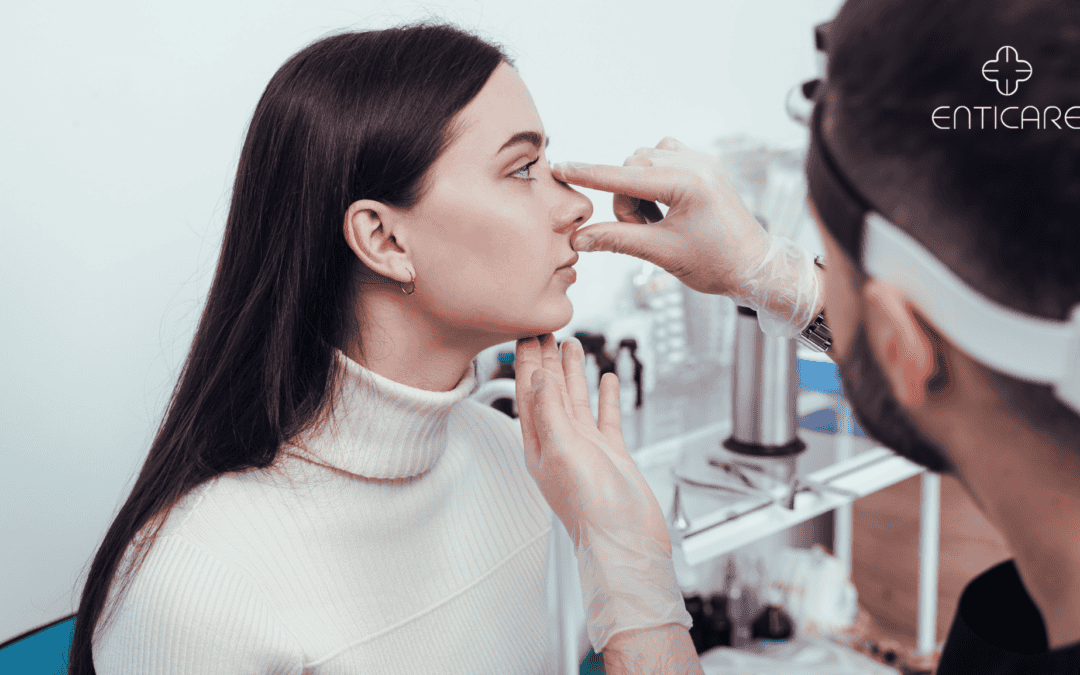
Sleep apnea causes repeated pauses in breathing during sleep, making it difficult to get the rest your body needs. Although CPAP therapy is a common treatment, it is not the right solution for everyone. If nasal obstruction is contributing to your sleep apnea, rhinoplasty may help improve breathing and sleep quality. In some cases, the procedure can also improve the appearance of the nose while correcting structural problems that affect airflow.
Understanding Obstructive Sleep Apnea and Its Impact
The Mechanism Behind Sleep Apnea
Obstructive sleep apnea happens when the muscles in the throat relax too much during sleep, blocking the airway. Central sleep apnea is different because it occurs when the brain temporarily stops sending signals that control breathing.
Obstructive sleep apnea is the most common form. Without treatment, it can interrupt sleep throughout the night and increase the risk of serious health problems.
The Health Risks of Untreated Sleep Apnea
Untreated sleep apnea affects more than your sleep. It increases the risk of high blood pressure, heart disease, stroke, diabetes, and other long-term health problems. It can also contribute to depression, anxiety, and ongoing daytime fatigue.
Traditional Treatment Options
CPAP therapy remains one of the most effective treatments for sleep apnea, but not everyone finds it comfortable enough to use every night. Other treatment options include lifestyle changes, oral appliances, and surgery. For people with structural nasal problems, rhinoplasty may provide longer-lasting relief.
How Rhinoplasty Can Help
Addressing Nasal Obstruction and Structural Issues
Rhinoplasty is a surgical procedure that can improve both the appearance and function of the nose. For people with sleep apnea, it focuses on correcting structural problems such as a deviated septum, enlarged turbinates, or nasal polyps that restrict airflow during sleep.
Improving Breathing Functionality with Functional Rhinoplasty
Functional rhinoplasty is designed to improve airflow through the nose. Better airflow reduces mouth breathing, lowers airway resistance, and may decrease snoring and breathing interruptions during sleep.
Long-Term Relief
Unlike CPAP therapy, which requires nightly use, rhinoplasty corrects the structural problem causing nasal blockage. Many patients experience long-term improvements in breathing, sleep quality, and overall comfort after recovery.
The Procedure and Recovery
What to Expect During Rhinoplasty
Before surgery, your ENT specialist will evaluate your nasal passages and determine which structural issues are affecting your breathing. Depending on your needs, the procedure may include septoplasty, turbinate reduction, nasal valve repair, or other techniques to improve airflow.
The Recovery Process
Most people experience temporary swelling, bruising, and mild discomfort after surgery. These symptoms usually improve over the first few weeks. Following your surgeon’s recovery instructions can help promote healing and achieve the best results.
Monitoring and Follow-Up
Follow-up appointments allow your surgeon to monitor healing and evaluate improvements in breathing. These visits help ensure your recovery stays on track and that your treatment goals are being met.
The Benefits Beyond Sleep
Enhanced Quality of Life
Better breathing at night often leads to better sleep during the day. Many patients report having more energy, improved focus, a better mood, and a higher quality of life after treatment.
Reduced Health Risks
Improving airflow during sleep may lower the long-term health risks associated with sleep apnea, including heart disease, high blood pressure, and other chronic conditions.
Confidence and Self-Esteem
Some patients also appreciate the cosmetic improvements that rhinoplasty provides. Feeling more confident about your appearance, combined with better sleep and breathing, can have a positive impact on your overall well-being.
Is Rhinoplasty Right for You?
Who Can Benefit?
Rhinoplasty may be a good option for people whose sleep apnea is related to structural problems inside the nose, such as a deviated septum or enlarged turbinates. An ENT specialist can determine whether this procedure is appropriate for your condition.
Weighing the Pros and Cons
Like any surgery, rhinoplasty has benefits and risks. Recovery takes time, but many people find that the long-term improvement in breathing and sleep outweighs the temporary discomfort. Your ENT specialist can help you decide whether surgery is the right choice.
Next Steps
If you think nasal blockage is contributing to your sleep apnea, schedule an evaluation with an ENT specialist. They can recommend the treatment option that best fits your symptoms and overall health.
Conclusion: Take the First Step Toward Restful Sleep
Rhinoplasty may help improve breathing and sleep for people whose sleep apnea is caused by nasal obstruction. By correcting structural problems inside the nose, the procedure can reduce symptoms and improve overall quality of life.
If you’re interested in learning whether rhinoplasty is right for you, schedule an appointment with an Enticare specialist to discuss your treatment options.
For more information on sleep apnea and rhinoplasty, you can explore additional resources at the American Sleep Apnea Association and Mayo Clinic.