
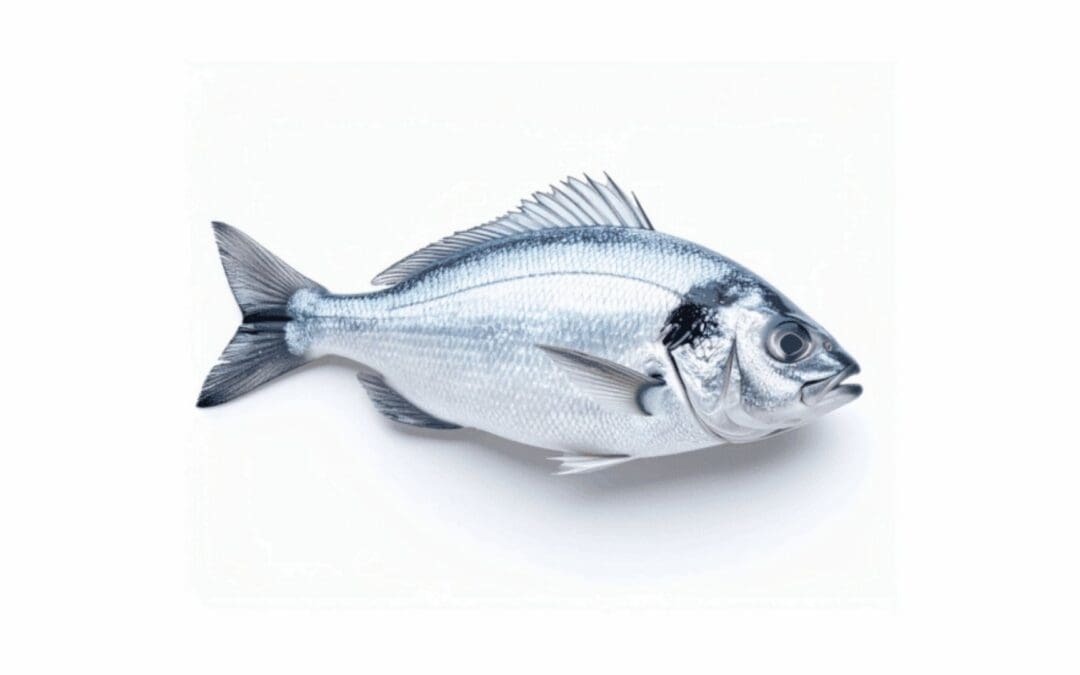
Do you relish a delicious seafood dish but worry about potential allergic reactions? Finned fish allergies are classified as a widespread food allergy, affecting approximately 1% of the population, with a higher prevalence in adults.
This comprehensive guide will help you understand the symptoms, treatment options, and essential insights for effectively managing a finned fish allergy.
What Is a Finned Fish Allergy?
A finned fish allergy occurs when your immune system mistakenly identifies proteins in fish as harmful, triggering an allergic reaction. A fish allergy reaction can vary from mild symptoms like hives and nausea to severe cases like anaphylactic shock, which require immediate medical attention. Unlike shellfish allergies, which involve crustaceans and mollusks, finned fish allergies pertain specifically to fish species with backbones, such as salmon, tuna, and cod.
Common Allergenic Fish Species
While any finned fish can cause an allergic reaction, certain species are more commonly associated with allergies:
- Salmon: A popular fish that many enjoy grilled or smoked.
- Tuna: Frequently used in sandwiches and sushi rolls.
- Halibut: Known for its firm texture and mild flavor.
It’s important to note that being allergic to one type of fish doesn’t necessarily mean you’ll react to all, but cross-reactivity is common.
Prevalence and Demographics
Finned fish allergies affect about 1% of the general population and are more prevalent in adults than children. Interestingly, approximately 40% of individuals with a fish allergy experience their first reaction in adulthood. To manage the allergy effectively, it is important to identify the specific types of fish that trigger these reactions.
Recognizing the Symptoms of Fish Allergy
Identifying the symptoms of a finned fish allergy is crucial for prompt and effective management. Reactions can vary from mild to severe and may affect different body systems. Severe allergic reactions can occur in response to airborne allergens and often necessitate blood testing. In contrast, less severe reactions may allow alternative testing methods like an oral challenge under medical supervision.
Skin-Related Symptoms
- Hives (Urticaria): Raised, itchy welts on the skin.
- Eczema: Red, inflamed, and itchy skin patches.
- Swelling (Angioedema): Particularly around the face, lips, and eyes.
Gastrointestinal Symptoms
- Nausea and Vomiting: Feeling sick or actual vomiting after consuming fish.
- Abdominal Pain: Cramping or discomfort in the stomach area.
- Diarrhea: Loose or watery stools.
Respiratory Symptoms
- Wheezing: A high-pitched whistling sound when breathing.
- Coughing: Persistent cough not attributed to other causes.
- Shortness of Breath: Difficulty breathing or feeling breathless.
In severe cases, exposure to finned fish can lead to anaphylaxis—a life-threatening reaction that requires immediate medical attention.
Diagnosing a Finned Fish Allergy
Fish allergy diagnosis is essential for effective management and prevention of allergic reactions.
Medical History and Symptom Discussion
Your healthcare provider will begin by discussing your medical history and the specifics of your allergic reactions. This conversation helps identify potential allergens and determine the next steps.
Allergy Testing Methods
- Skin Prick Test: Fish allergy testing often involves a skin prick test, in which a small amount of fish protein is introduced to the skin, usually on the forearm or back, to observe for any allergic reaction.
- Blood Test: Measures the presence of specific IgE antibodies to fish proteins in your bloodstream.
Oral Food Challenge
Sometimes, an oral food challenge may be conducted under strict medical supervision. This involves consuming small amounts of fish to monitor for any adverse reactions.
Treatment and Management Strategies
Managing a finned fish allergy involves a combination of avoidance strategies, preparedness for accidental exposure, and appropriate fish allergy treatment.
Avoidance of Fish and Fish Products
- Reading Food Labels: Always check ingredient lists for fish or fish-derived products, including fish gelatin from fish skin and bones.
- Being Cautious with Cross-Contamination: Be aware of potential cross-contact in restaurants and food processing facilities.
Fish Allergy Food List
Avoiding fish and fish products is essential for individuals with a fish allergy. Here’s a comprehensive list of foods to steer clear of:
- Finned Fish: Salmon, tuna, and cod.
- Shellfish: Including shrimp, crab, and lobster, as cross-reactivity can sometimes occur.
- Fish-Based Products: Like fish sticks, fish gelatin, and fish oil.
- Hidden Sources: Foods containing fish or fish products, such as Worcestershire sauce, Caesar salad dressing, and imitation crab products.
- Cross-Contaminated Foods: Items prepared in seafood restaurants or facilities that process fish may pose a cross-contact risk.
Emergency Action Plan
- Epinephrine Auto-Injector: Carry an epinephrine auto-injector (such as an EpiPen) at all times and know how to use it.
- Medical Alert Identification: Wear a medical alert bracelet or necklace indicating your fish allergy.
Consultation with an Allergist
Regular follow-ups with an allergist can help manage your allergy effectively. They can provide personalized advice, update your emergency action plan, and adjust treatments as necessary.
Living with a Finned Fish Allergy: Tips and Insights
Navigating daily life with a finned fish allergy requires vigilance and proactive measures.
Dining Out Safely
- Inform Restaurant Staff: Always notify your server and the kitchen about your allergy.
- Choose Restaurants Wisely: Opt for establishments with clear policies on food allergies and cross-contamination prevention.
Travel Precautions
- Research Local Cuisine: Understand your destination’s common ingredients and cooking practices.
- Carry Allergy Cards: Have cards that explain your allergy in the local language to communicate effectively.
Emotional and Social Considerations
Living with a food allergy can be stressful. Consider joining support groups or seeking counseling to manage the emotional aspects of having a finned fish allergy.
Key Takeaways
- Prevalence: Finned fish allergies affect about 1% of the population, with many cases developing in adulthood.
- Symptoms: Reactions can range from mild skin irritations to severe anaphylaxis.
- Diagnosis: Involves medical history review, allergy testing, and possibly an oral food challenge.
- Management: Strict avoidance of fish, carrying emergency medication, and regular consultation with an allergist are essential.
If you suspect you have a finned fish allergy or need assistance managing it, professional help is available. Schedule an appointment with our experienced allergists to receive personalized care and guidance.
FAQ: Finned Fish Allergy
1. What causes a finned fish allergy?
A finned fish allergy occurs when the immune system reacts to proteins found in fish such as salmon, tuna, or cod.
2. How is a finned fish allergy diagnosed?
An allergist may perform skin prick tests, blood tests, or an oral food challenge to confirm a fish allergy.
3. Can I be allergic to some fish but not others?
Yes, but cross-reactivity is common. Many people allergic to one fish species react to others.
4. What should I do if I accidentally eat fish?
Use an epinephrine auto-injector immediately if symptoms occur, and seek emergency medical care.
5. Can a finned fish allergy develop later in life?
Yes, many adults experience their first reaction in adulthood—especially between ages 30 and 50.
6. Is there a cure for finned fish allergies?
Currently, there’s no cure, but effective management and avoidance can prevent reactions.
7. How can Enticare help with fish allergies?
Enticare’s specialists offer diagnostic testing, personalized treatment plans, and ongoing support for allergy management.